
Biology — Paper Notes
Protein models, molecular design, and biomedical AI
2019
2021
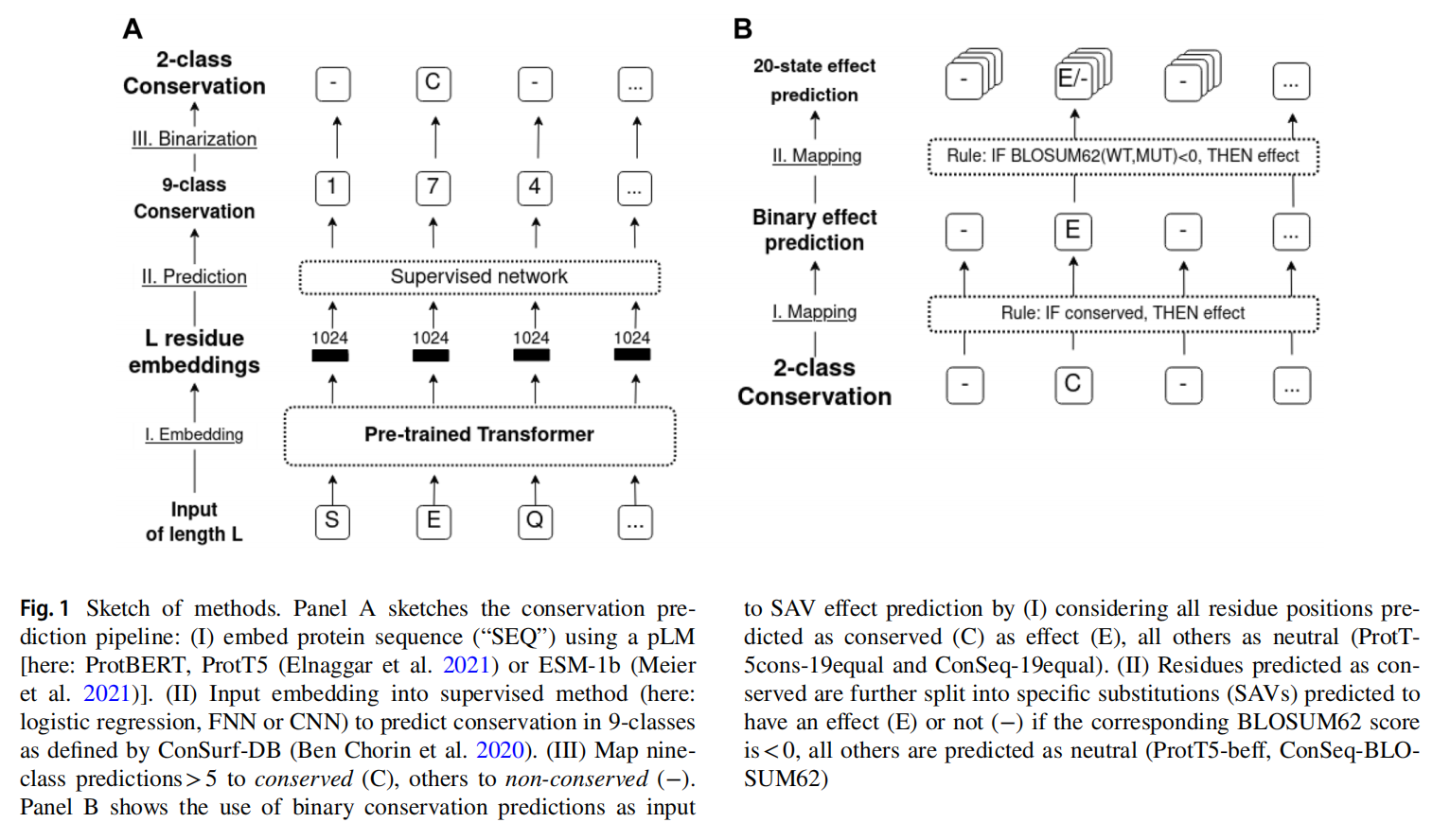
Human Genetics-2021 Embeddings from protein language models predict conservation and variant effects
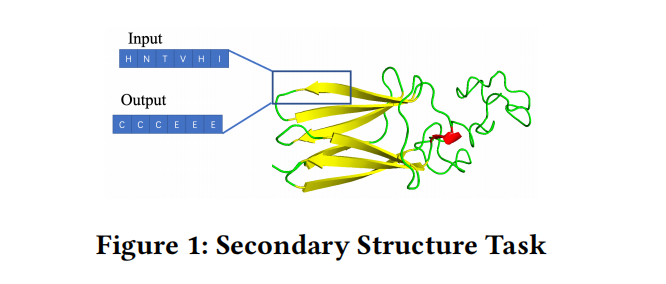
KDD-2021 Modeling Protein Using Large-scale Pretrain Language Model
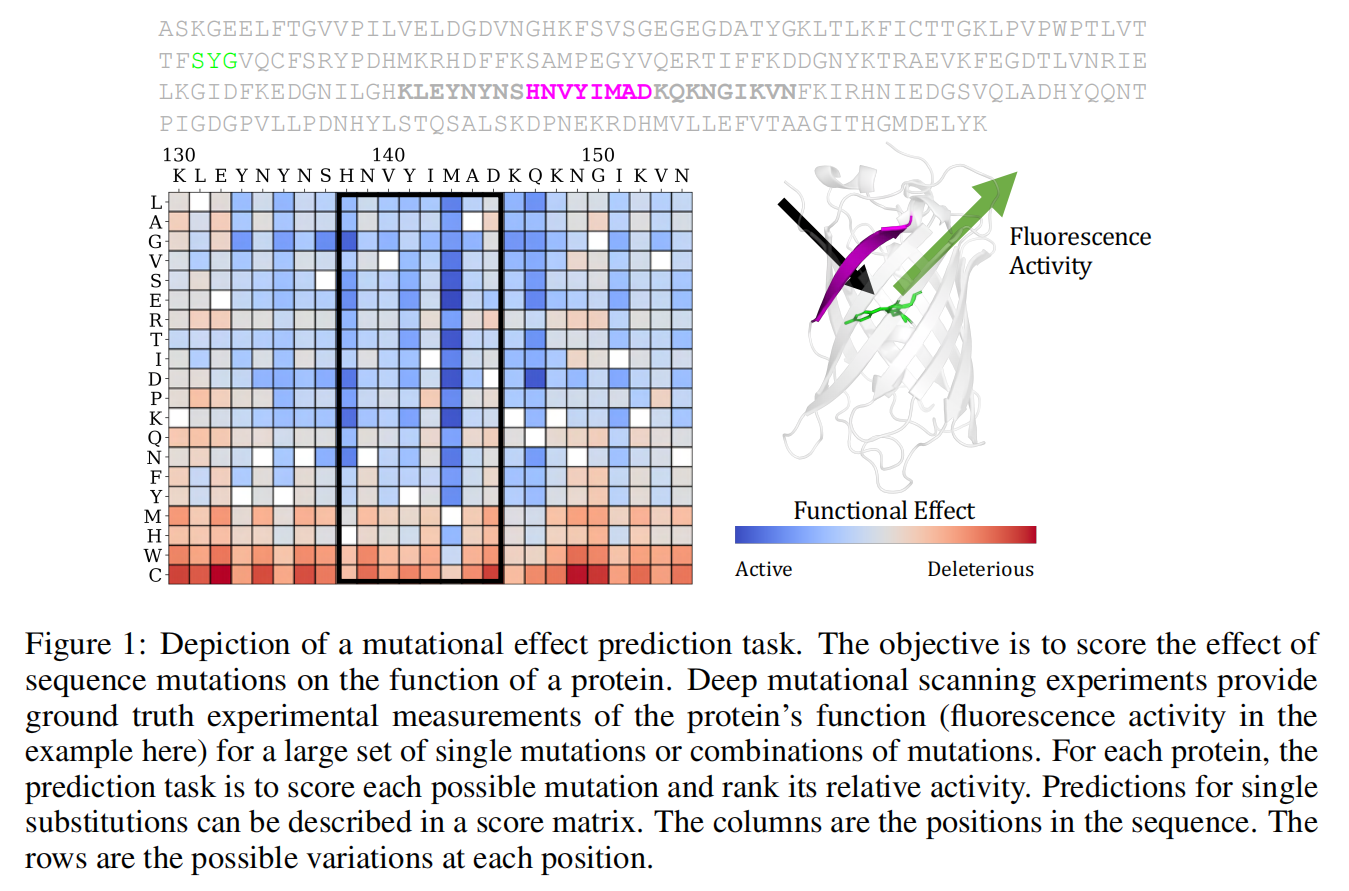
NeurIPS-2021 Language models enable zero-shot prediction of the effects of mutations on protein function
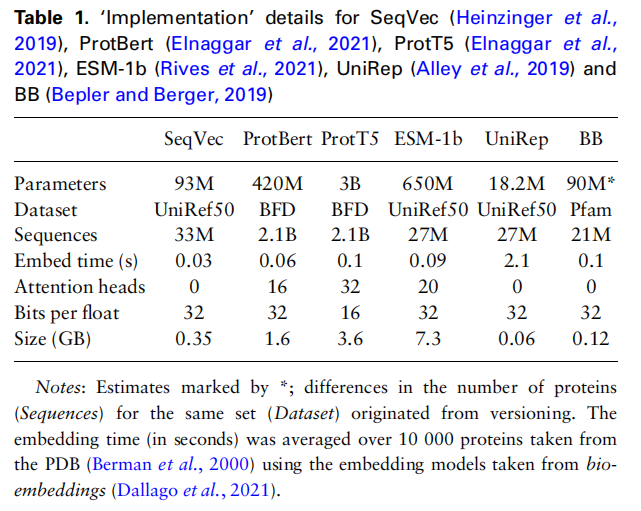
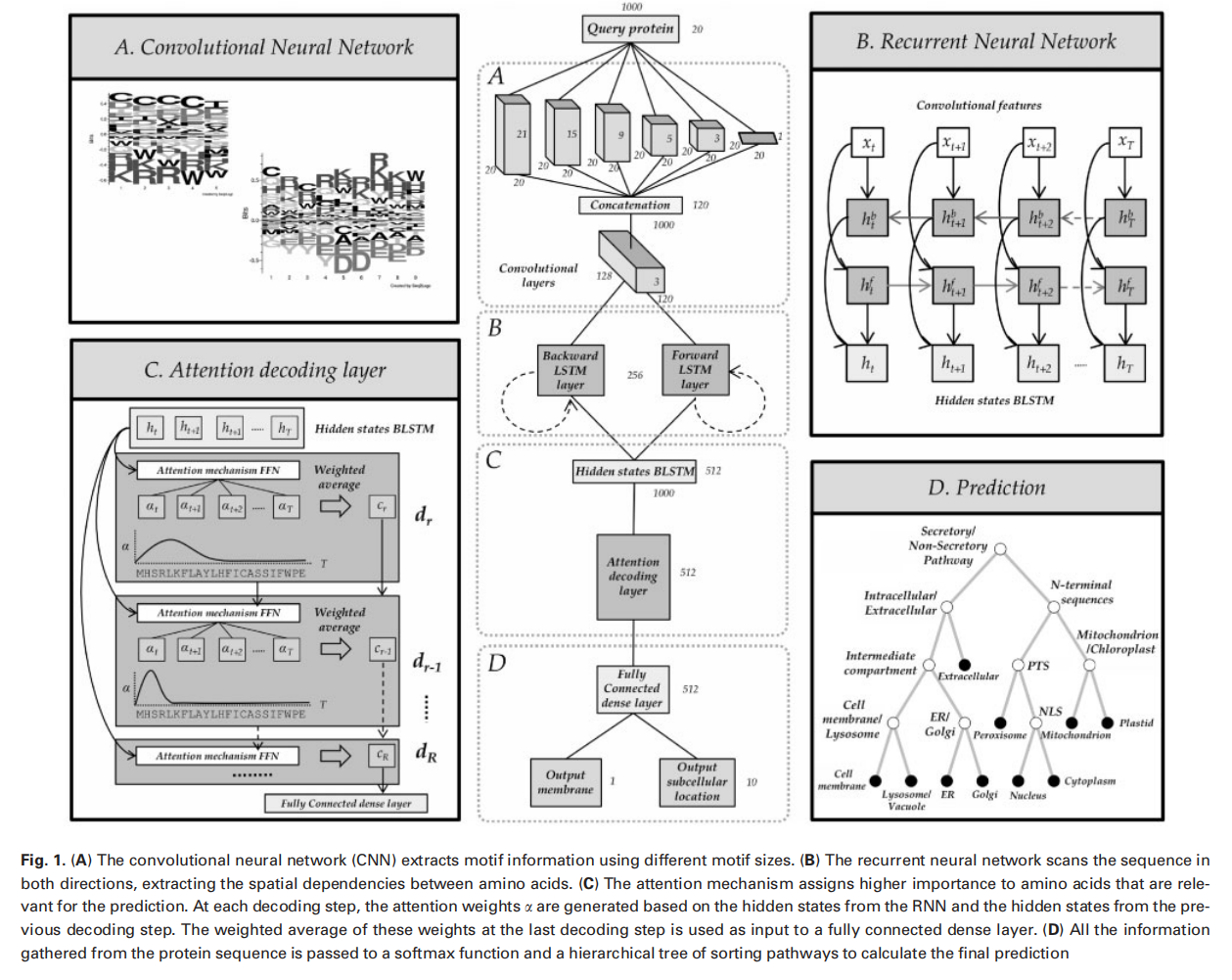
Bioinformatics Advances-2021 Light attention predicts protein location from the language of life
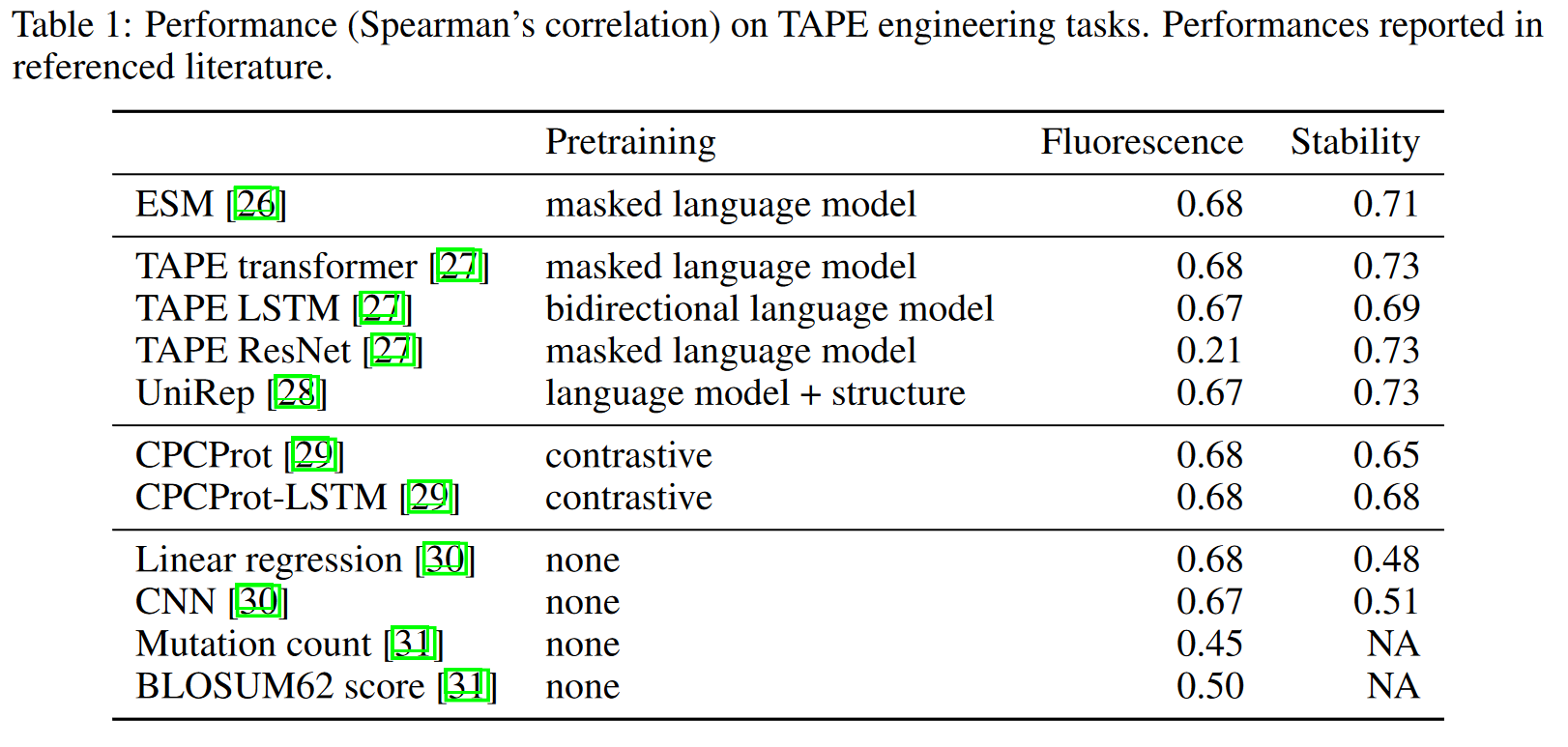
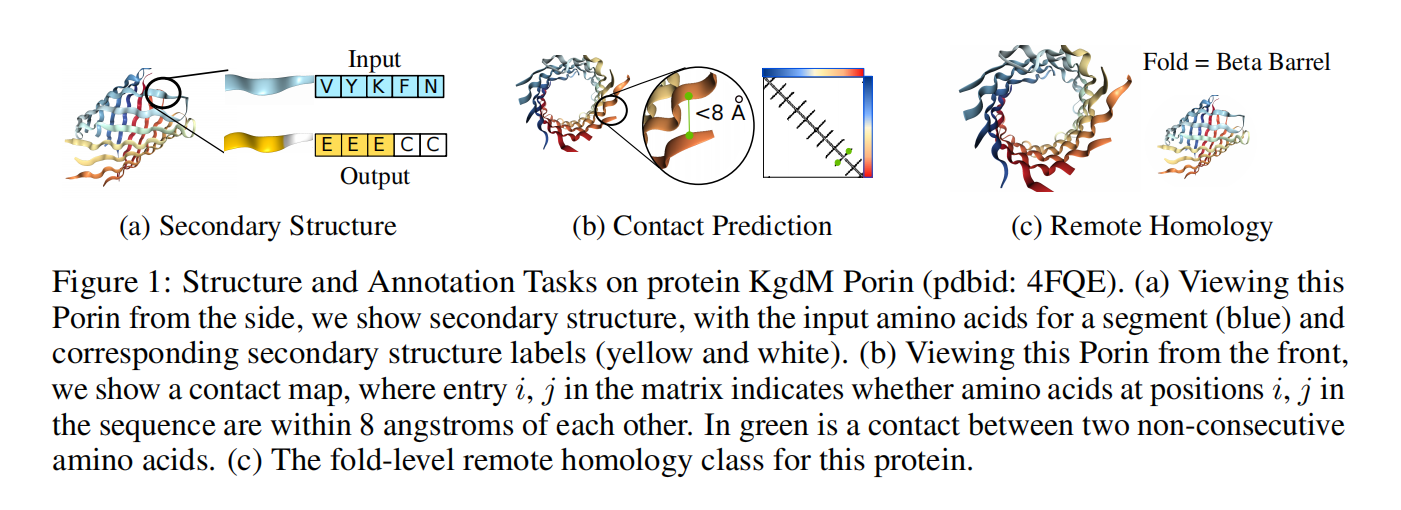
NeurIPS-2021 FLIP:Benchmark tasks in fitness landscape inference for proteins
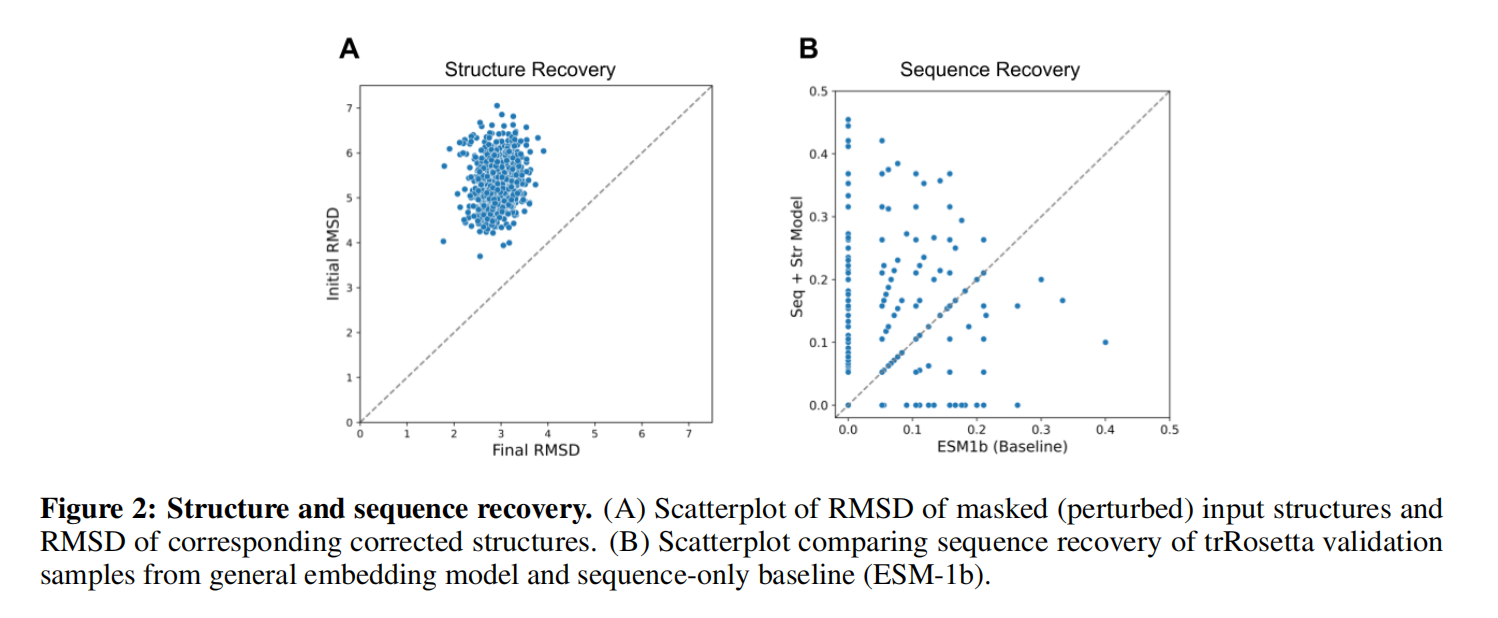
bioRxiv-2021 Toward More General Embeddings for Protein Design:Harnessing Joint Representations of Sequence and Structure
Nature-2021 Highly accurate protein structure prediction with AlphaFold
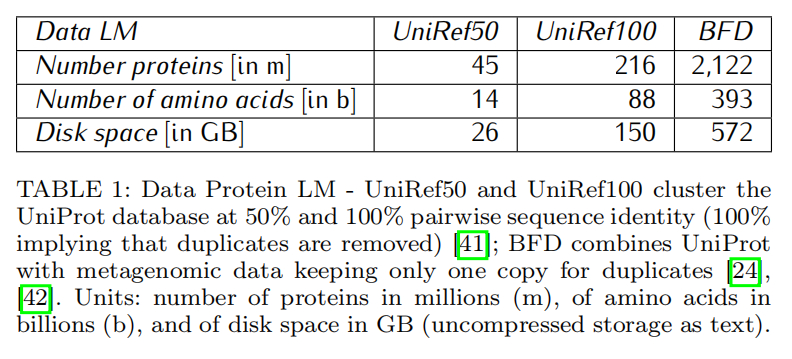
IEEE Transactions on Pattern Analysis and Machine Intelligence-2021 ProtTrans:Towards Cracking the Language of Life’s Code Through Self-Supervised Learning
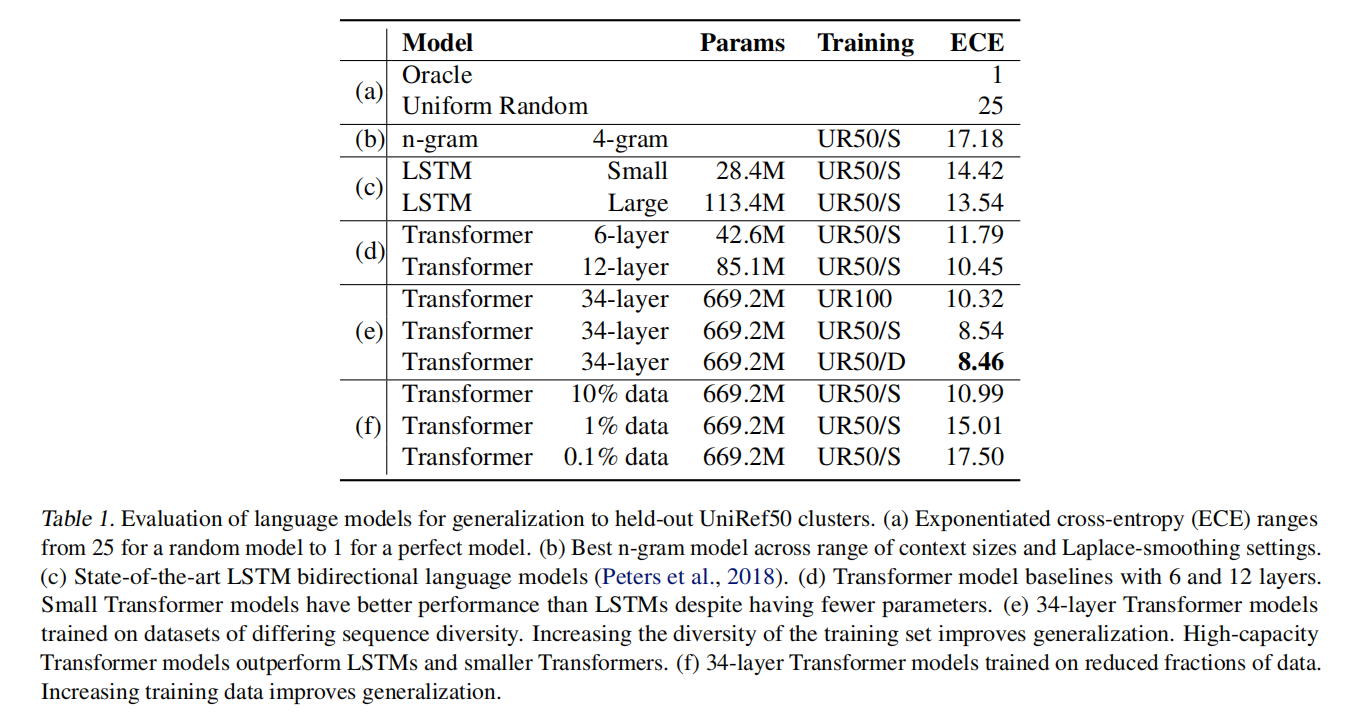
Proceedings of the National Academy of Sciences-2021 Biological structure and function emerge from scaling unsupervised learning to 250 million protein sequences
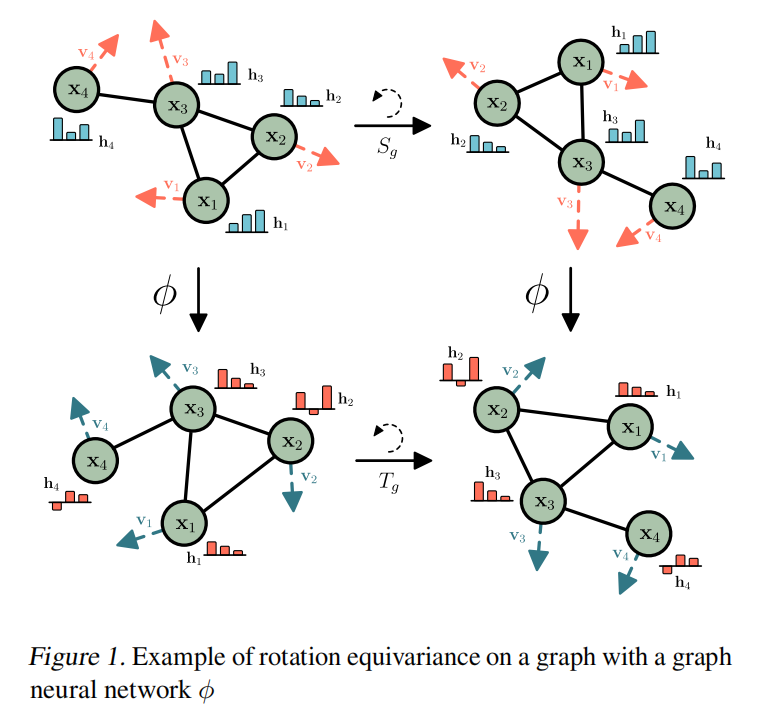
ICML-2021 E(n) Equivariant Graph Neural Networks
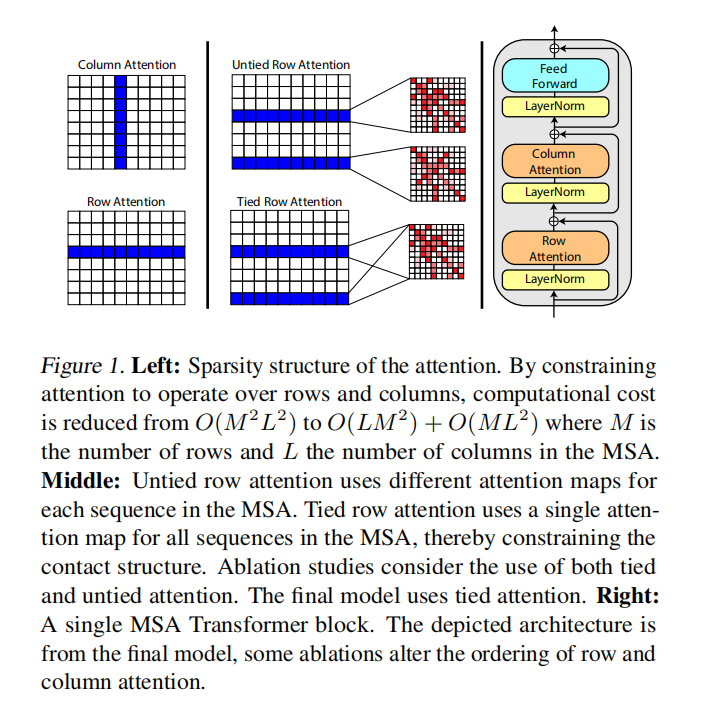
ICML-2021 MSA Transformer
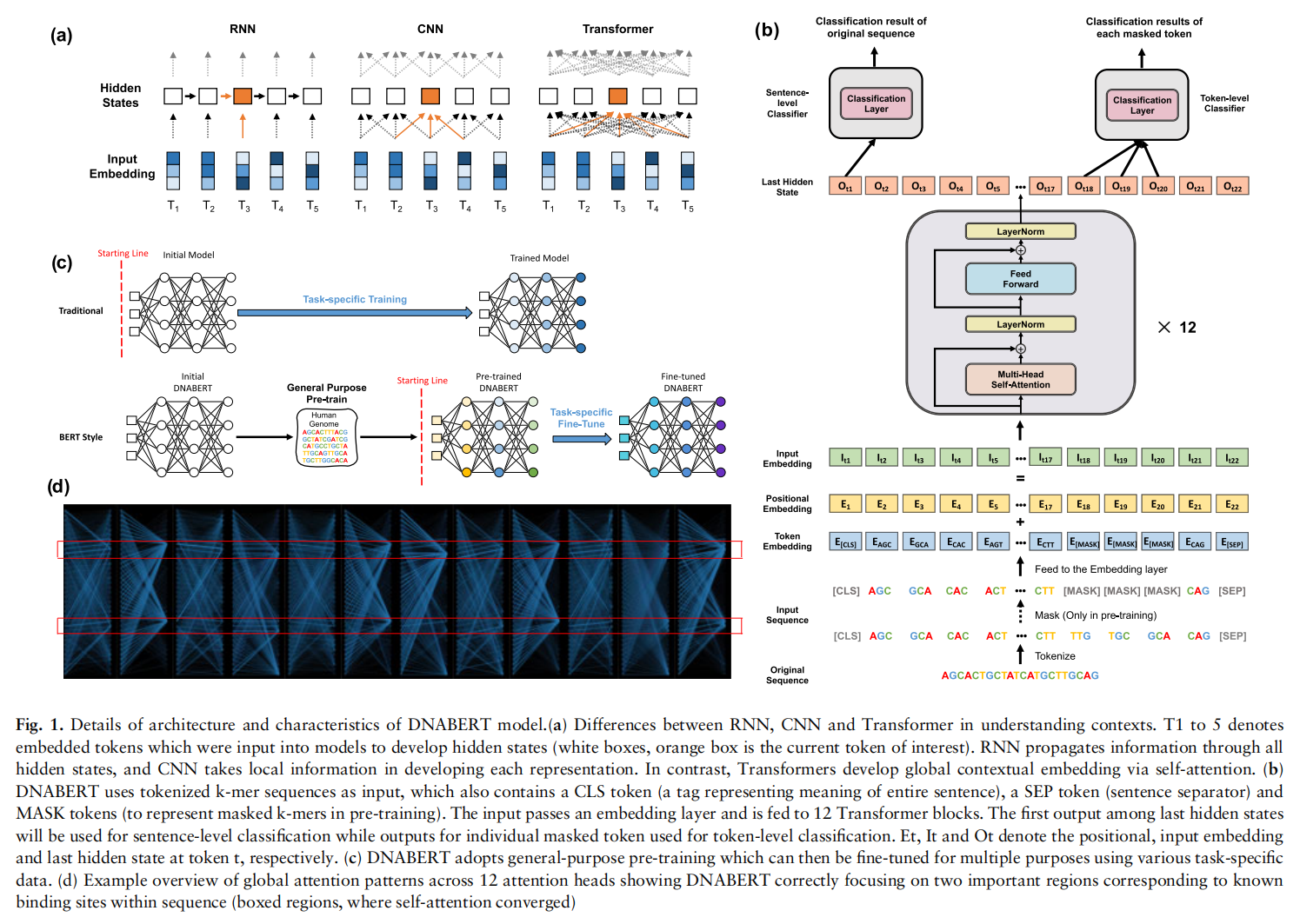
Bioinformatics-2021 DNABERT:pre-trained Bidirectional Encoder Representations from Transformers model for DNA-language in genome
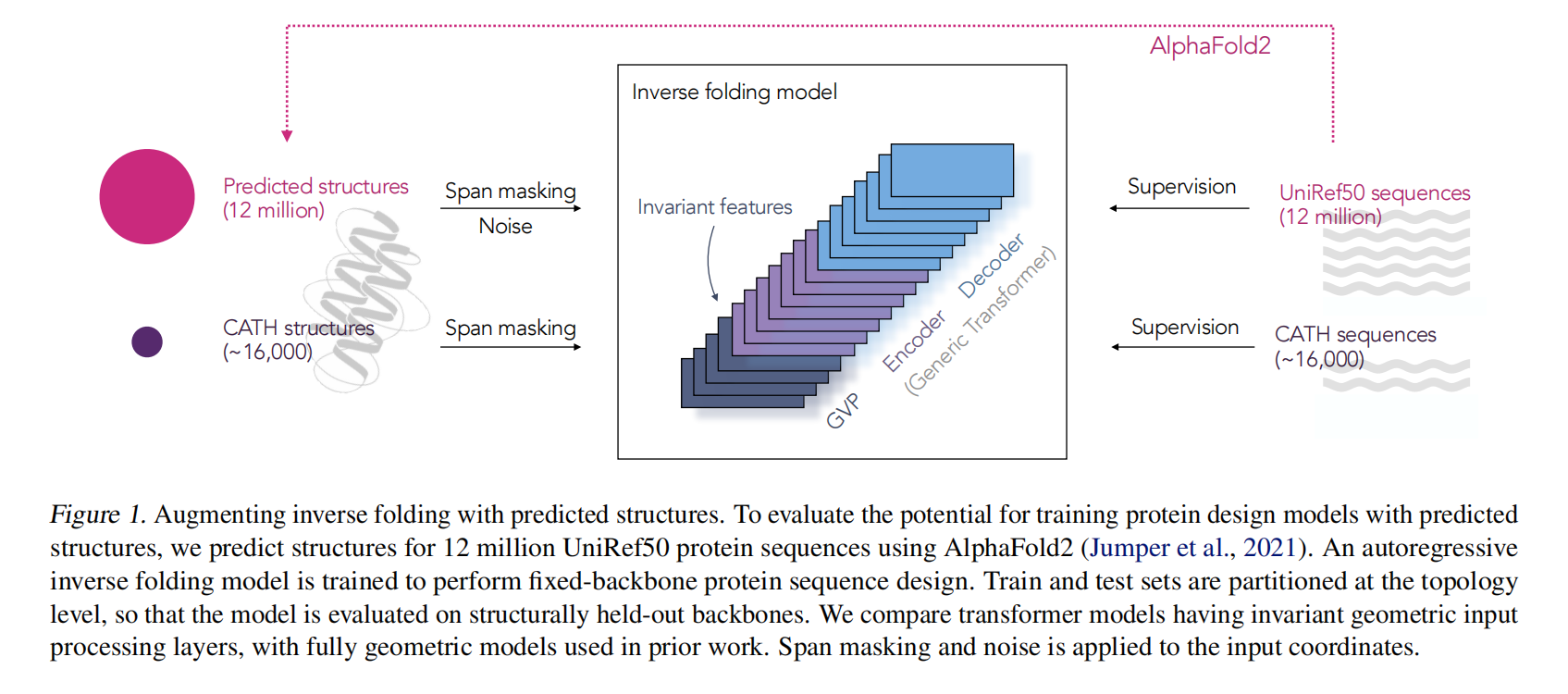
ICML-2021 Learning inverse folding from millions of predicted structures
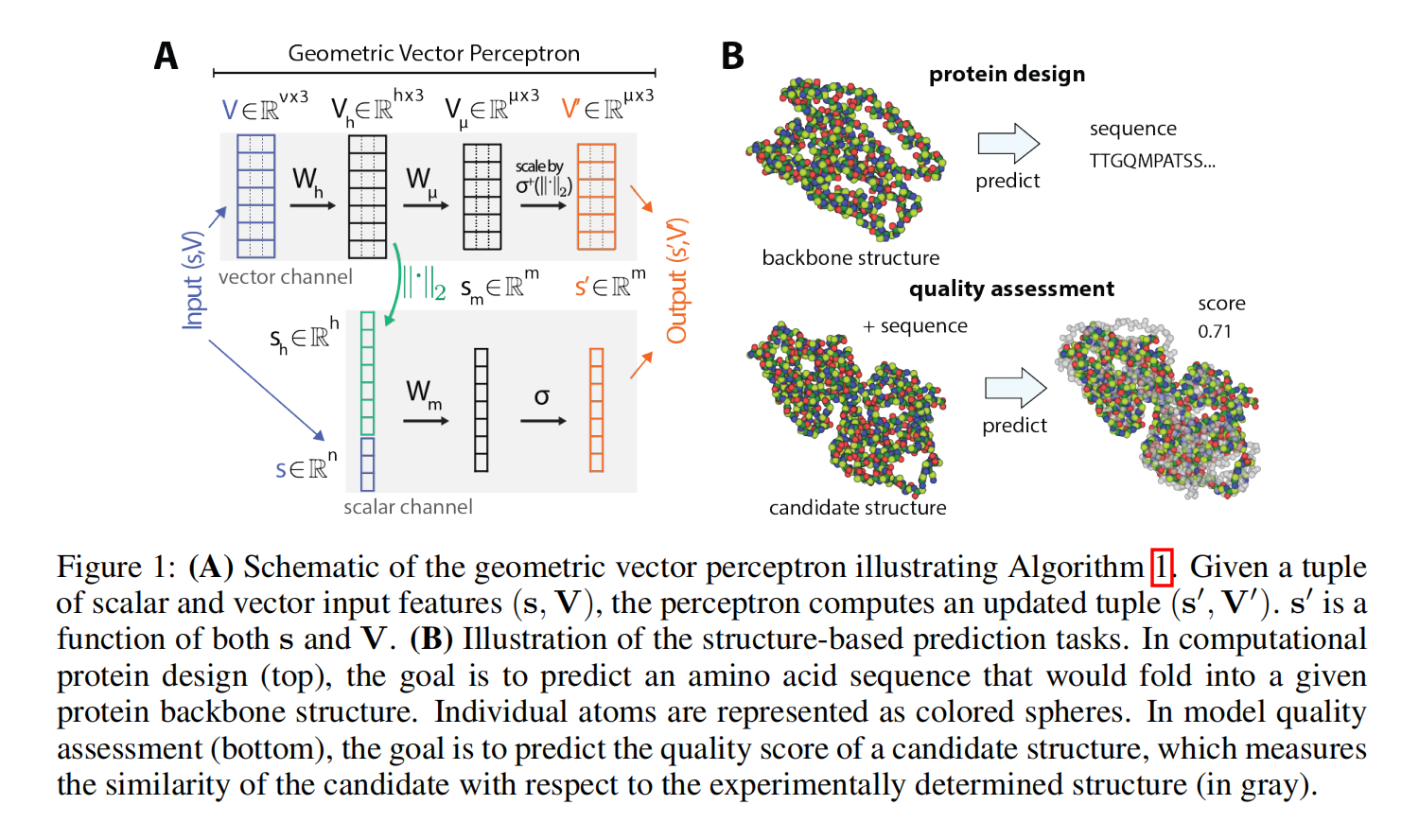
ICLR-2021 Learning from Protein Structure with Geometric Vector Perceptrons
2022

NeurIPS-2022 PEER:A Comprehensive and Multi-Task Benchmark for Protein Sequence Understanding
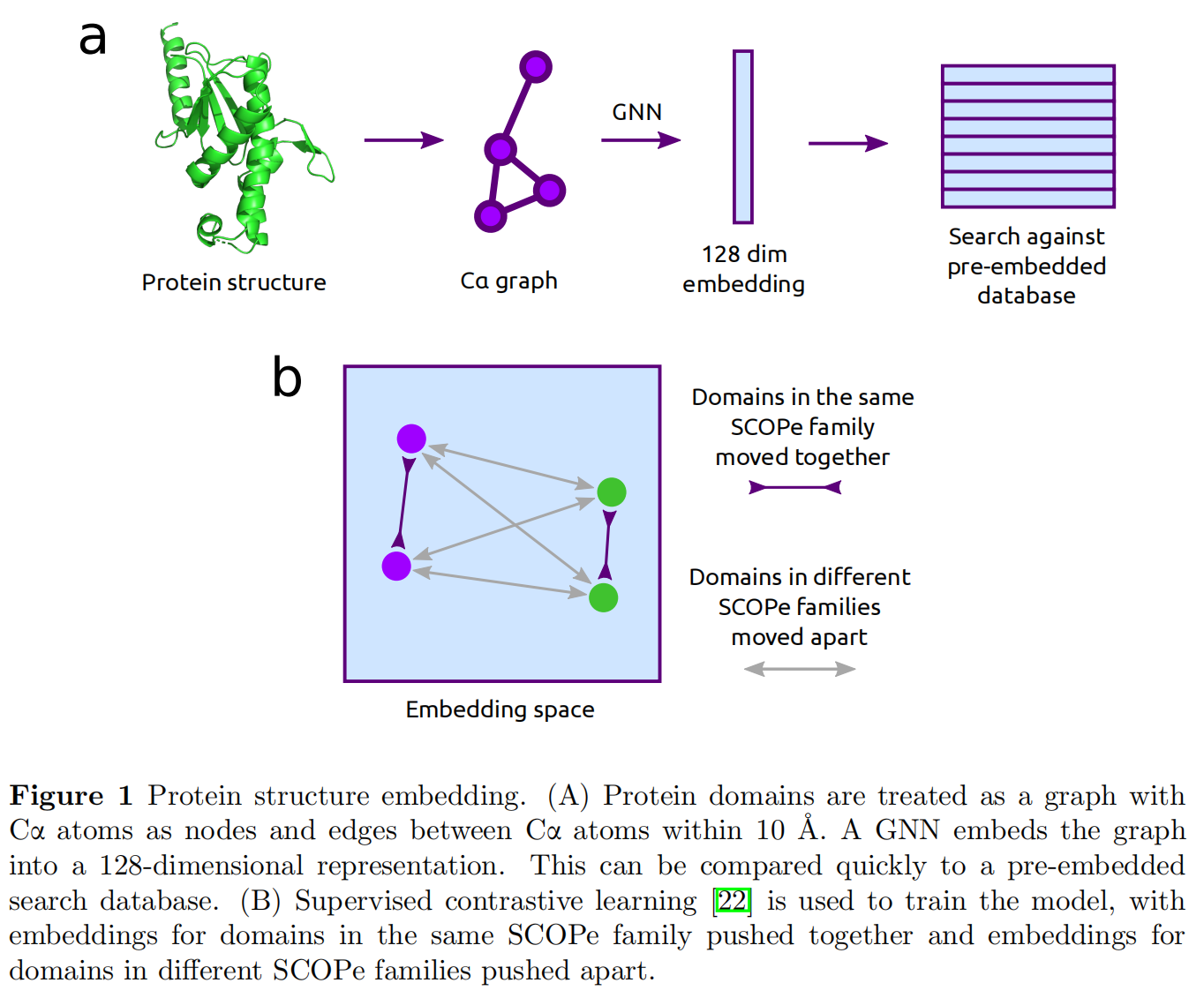
bioRxiv-2022 Fast protein structure searching using structure graph embeddings
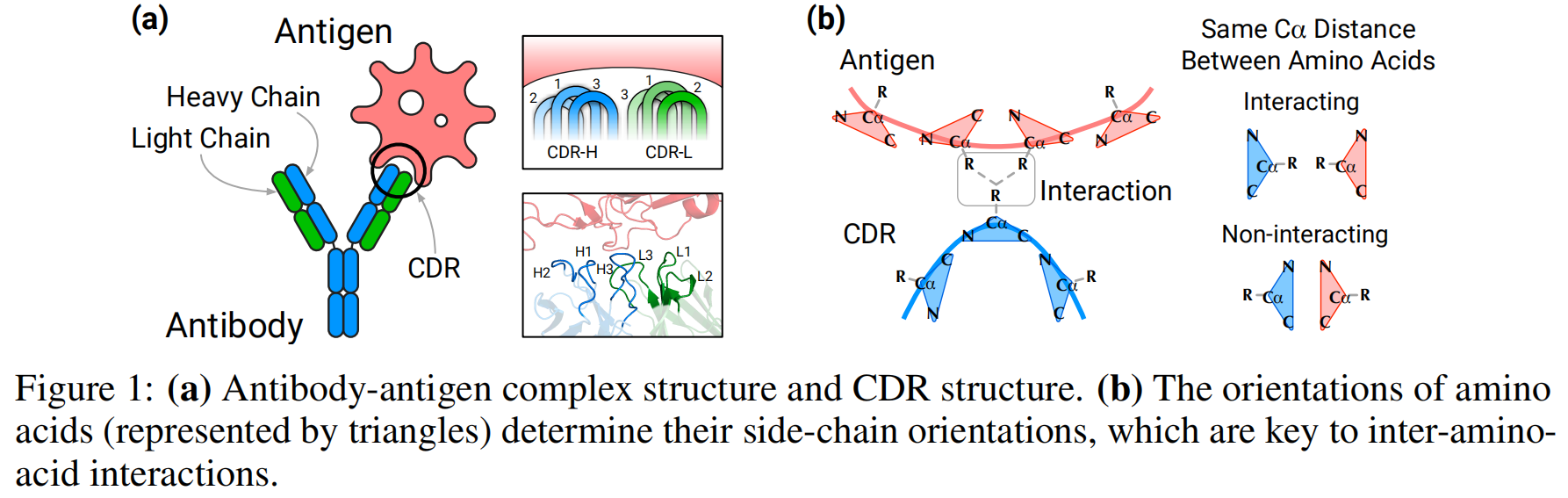
NeurIPS-2022 Antigen-Specific Antibody Design and Optimization with Diffusion-Based Generative Models for Protein Structures
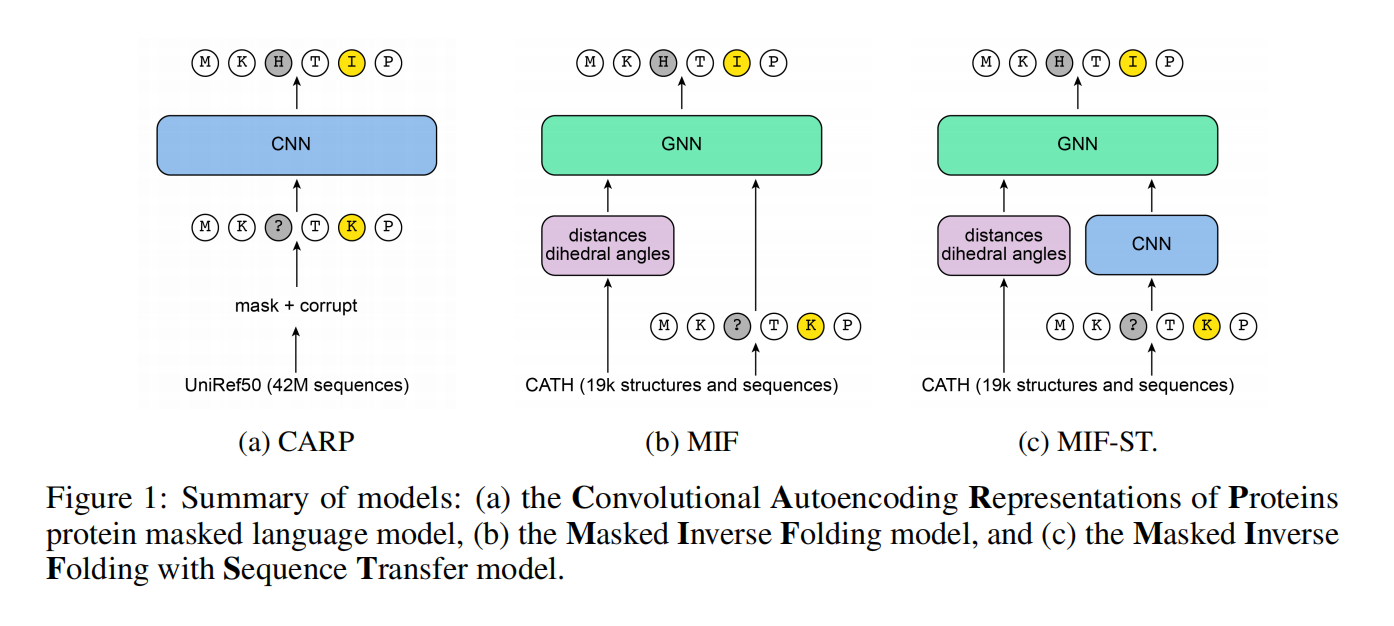
PEDS-2022 Masked inverse folding with sequence transfer for protein representation learning
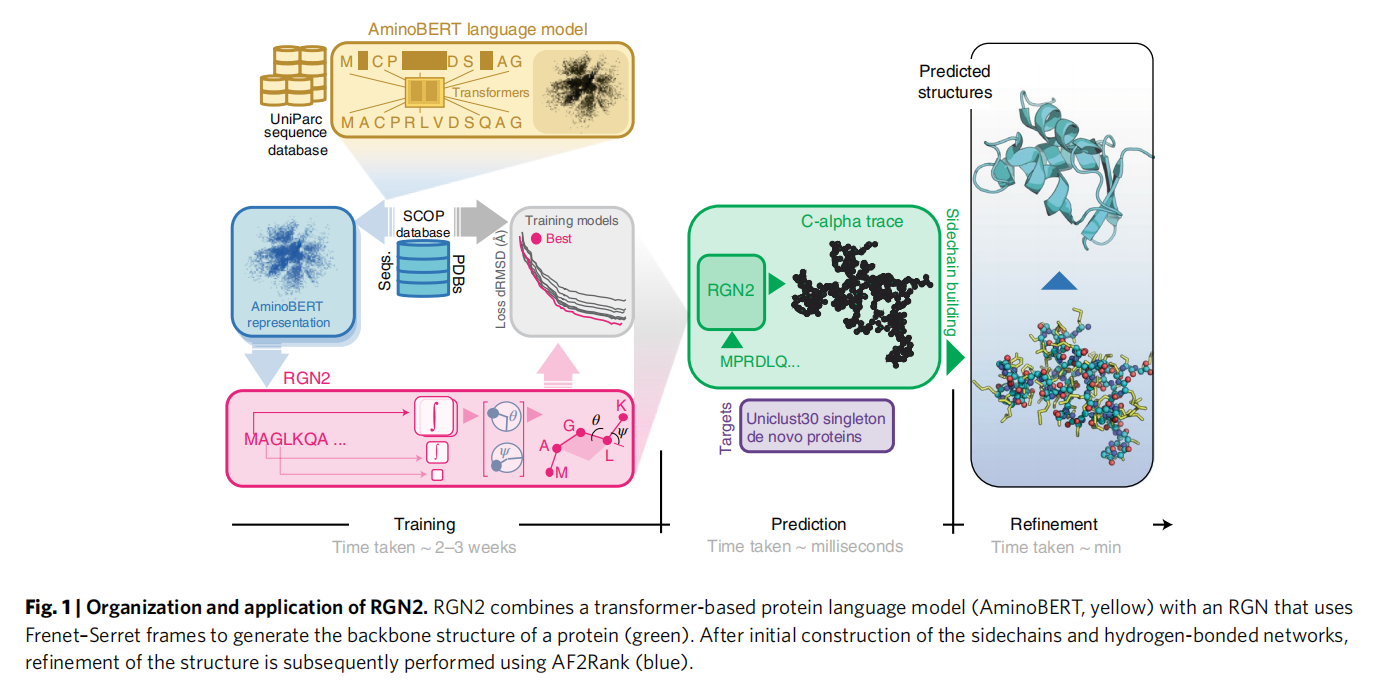
Nature Biotechnology-2022 Single-sequence protein structure prediction using a language model and deep learning
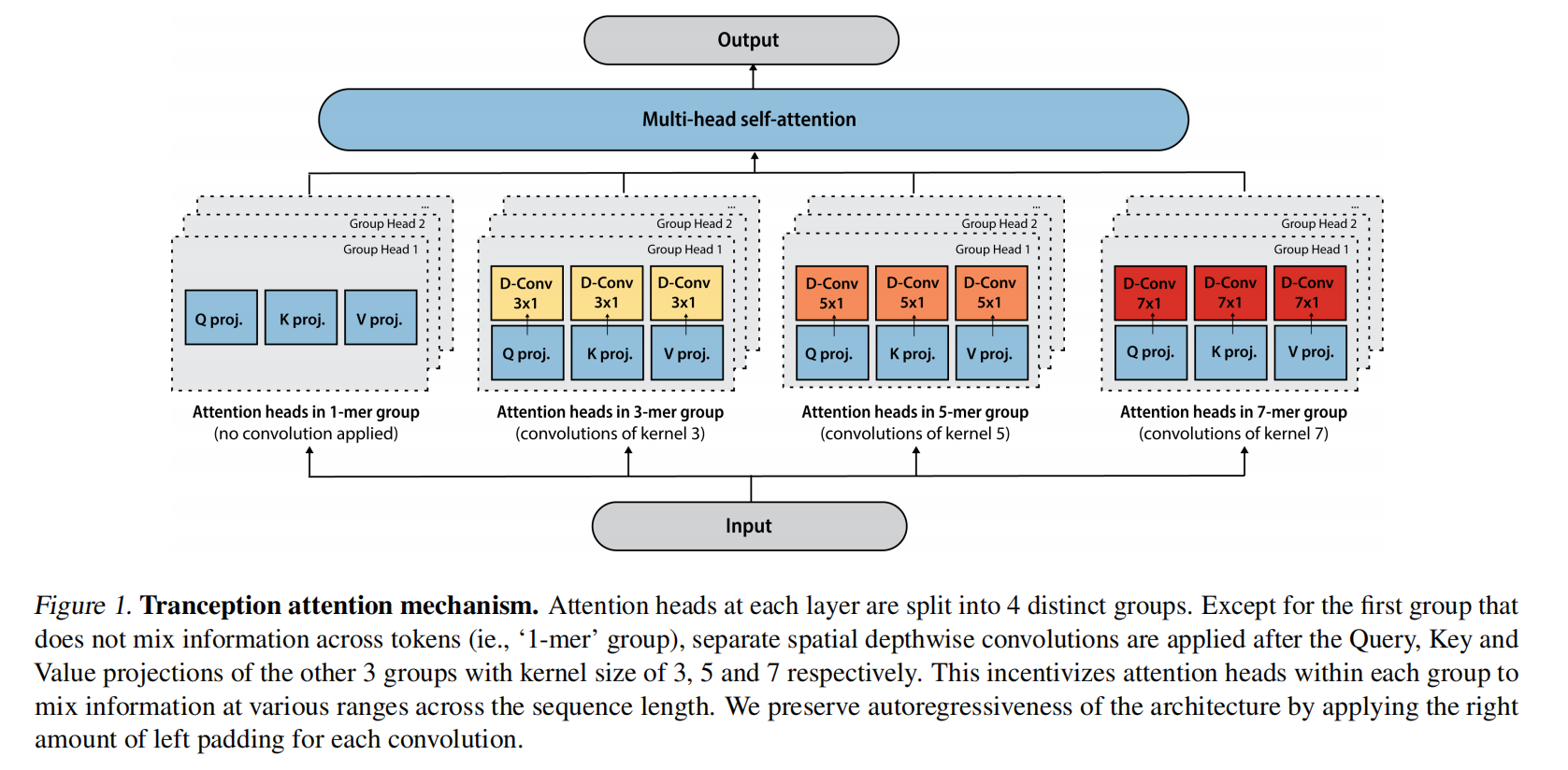
ICML-2022 Tranception:protein fitness prediction with autoregressive transformers and inference-time retrieval
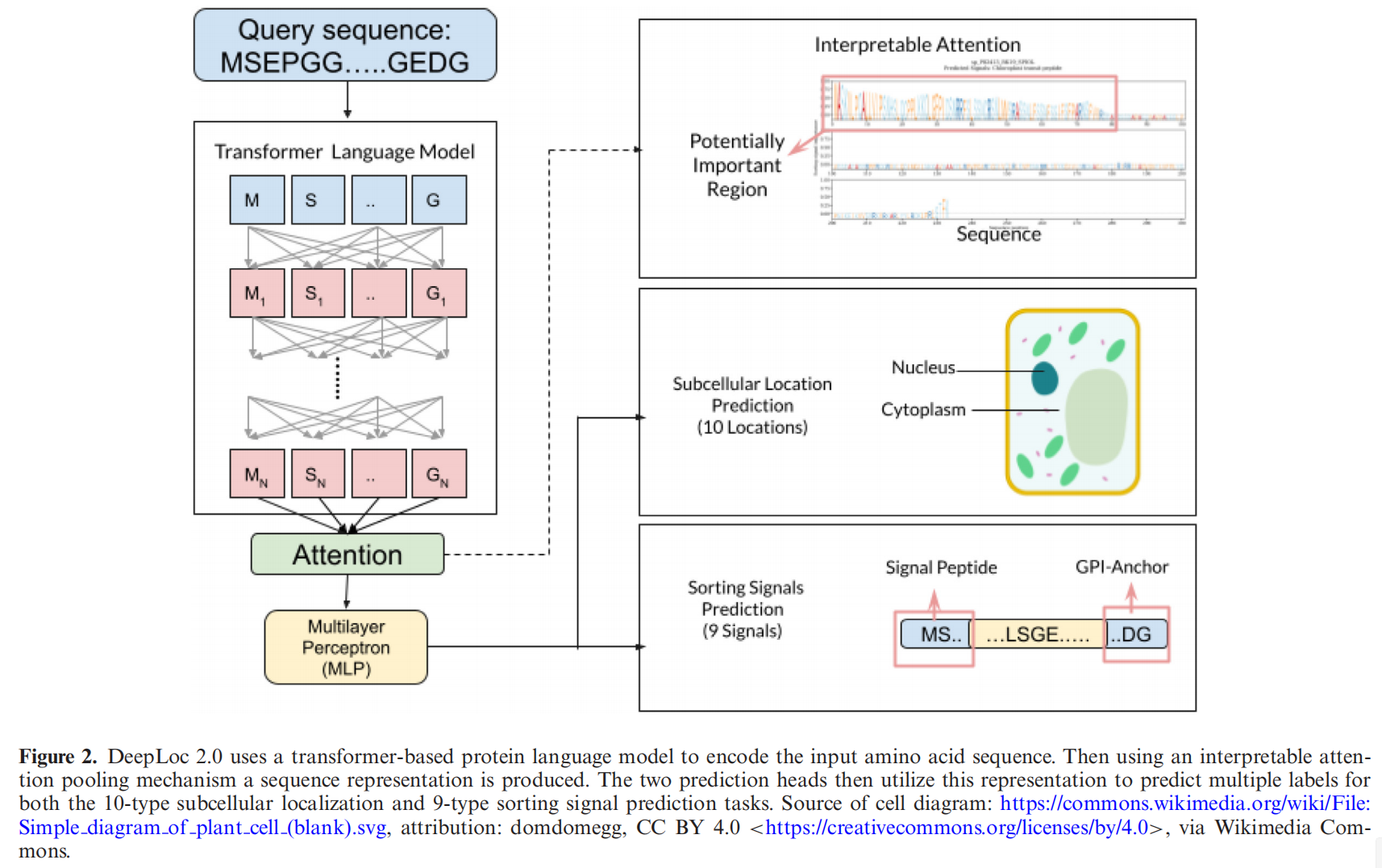
NAR-2022 DeepLoc 2.0:multi-label subcellular localization prediction using protein language models
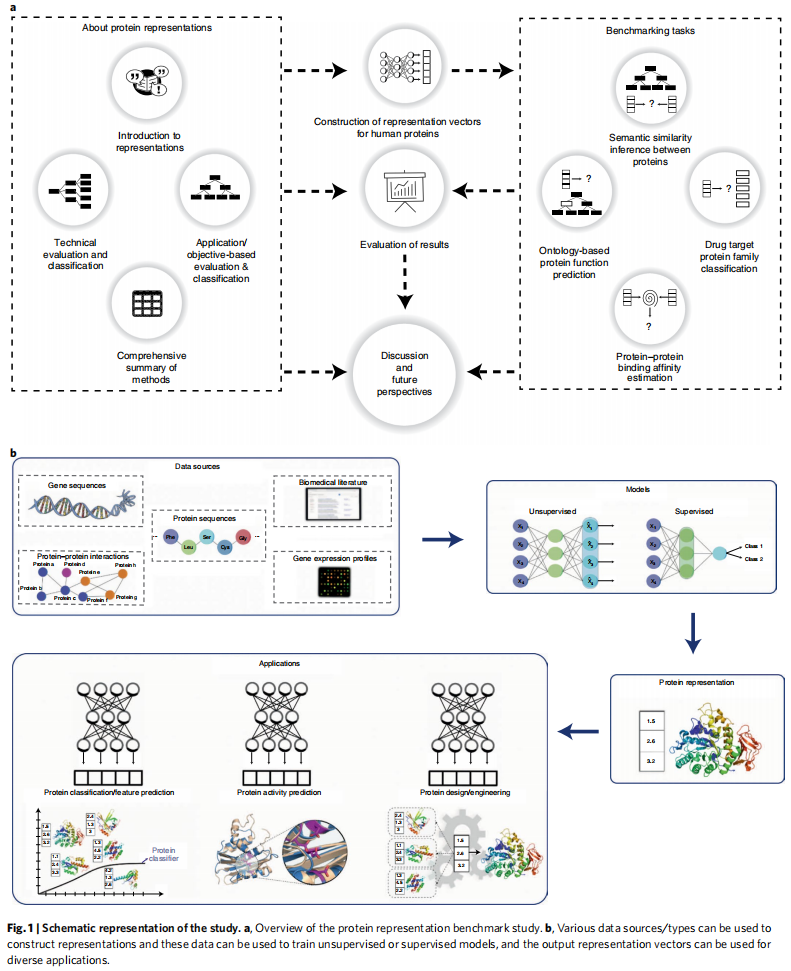
Nature Machine Intelligence-2022 Learning functional properties of proteins with language models
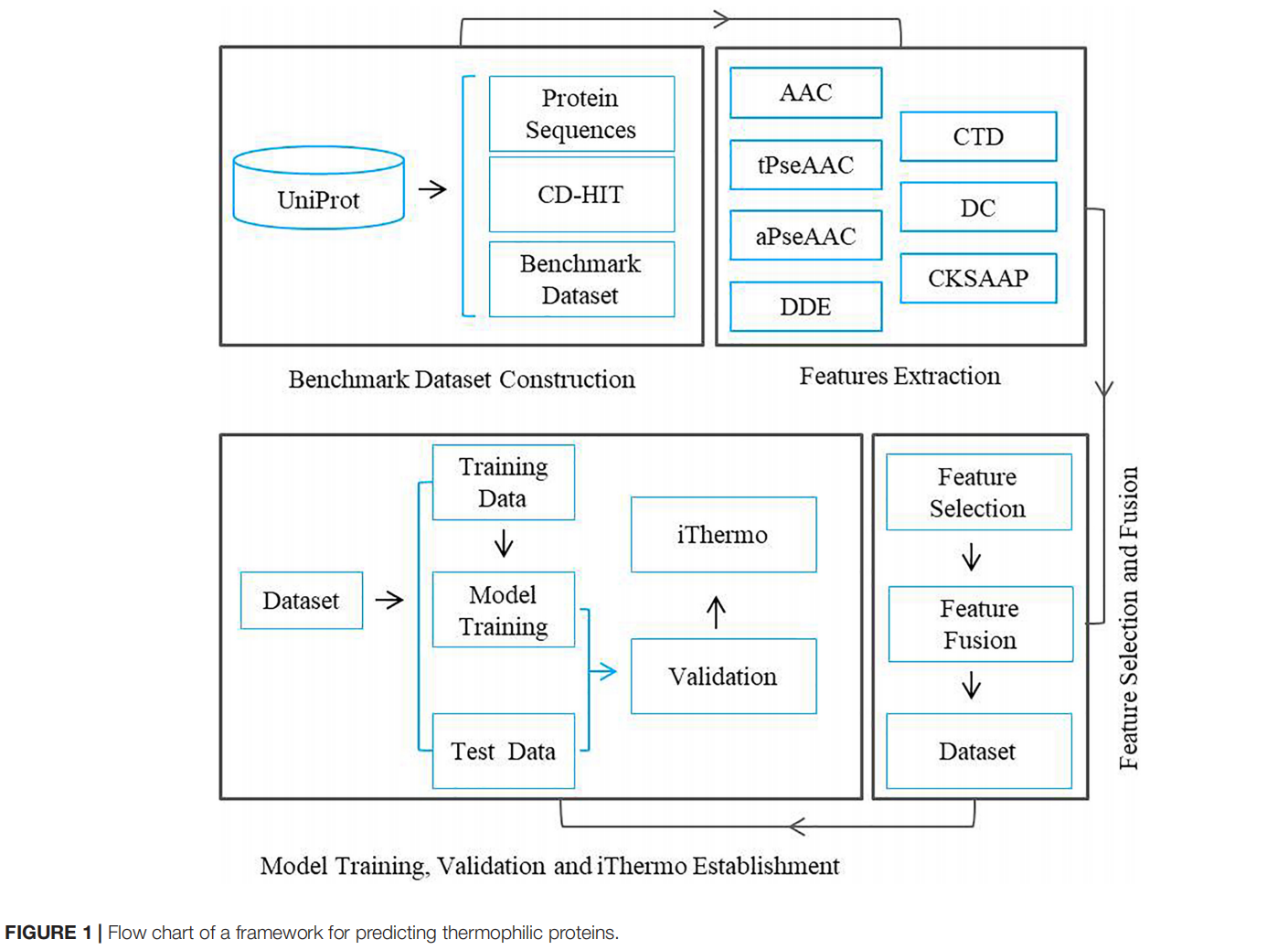
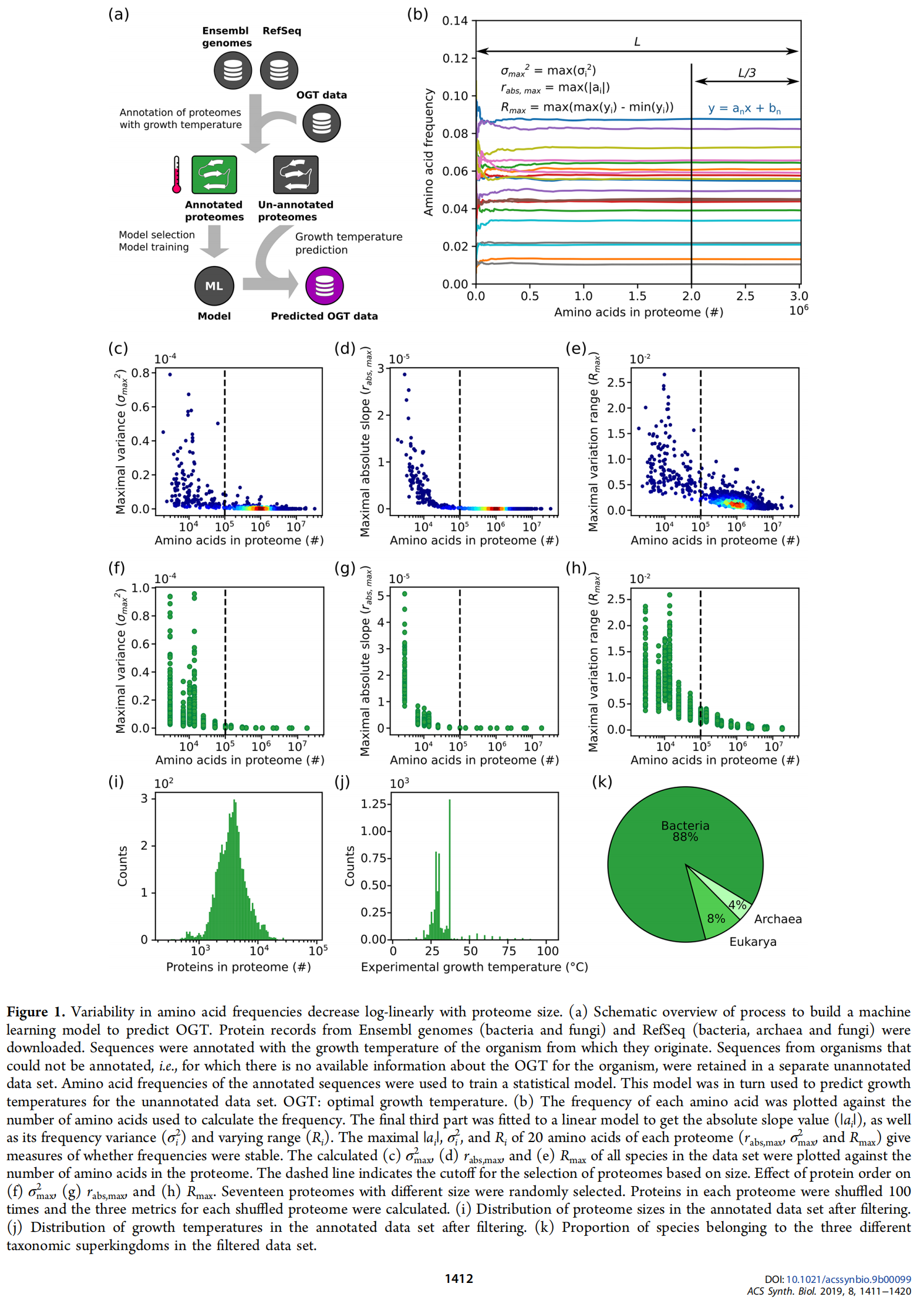
Frontiers in Microbiology-2022 iThermo:A Sequence-Based Model for Identifying Thermophilic Proteins Using a Multi-Feature Fusion Strategy

ICLR-2022 Iterative Refinement Graph Neural Network for Antibody Sequence-Structure Co-design
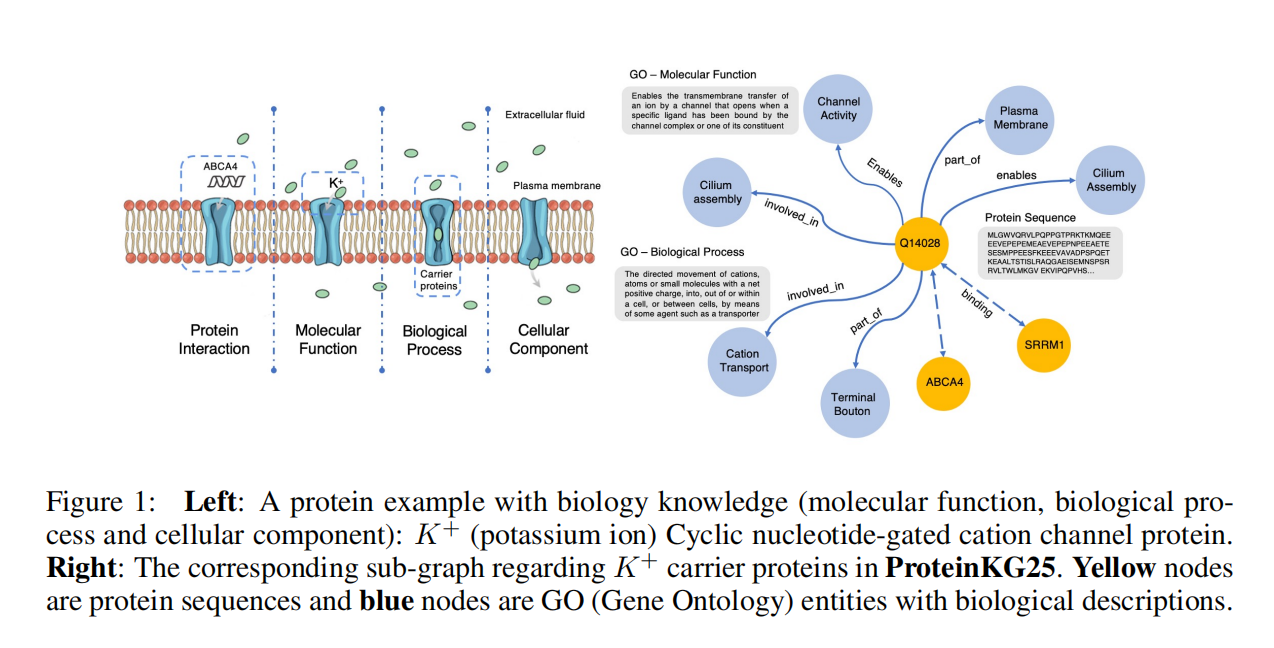
ICLR-2022 OntoProtein:Protein Pretraining With Gene Ontology Embedding
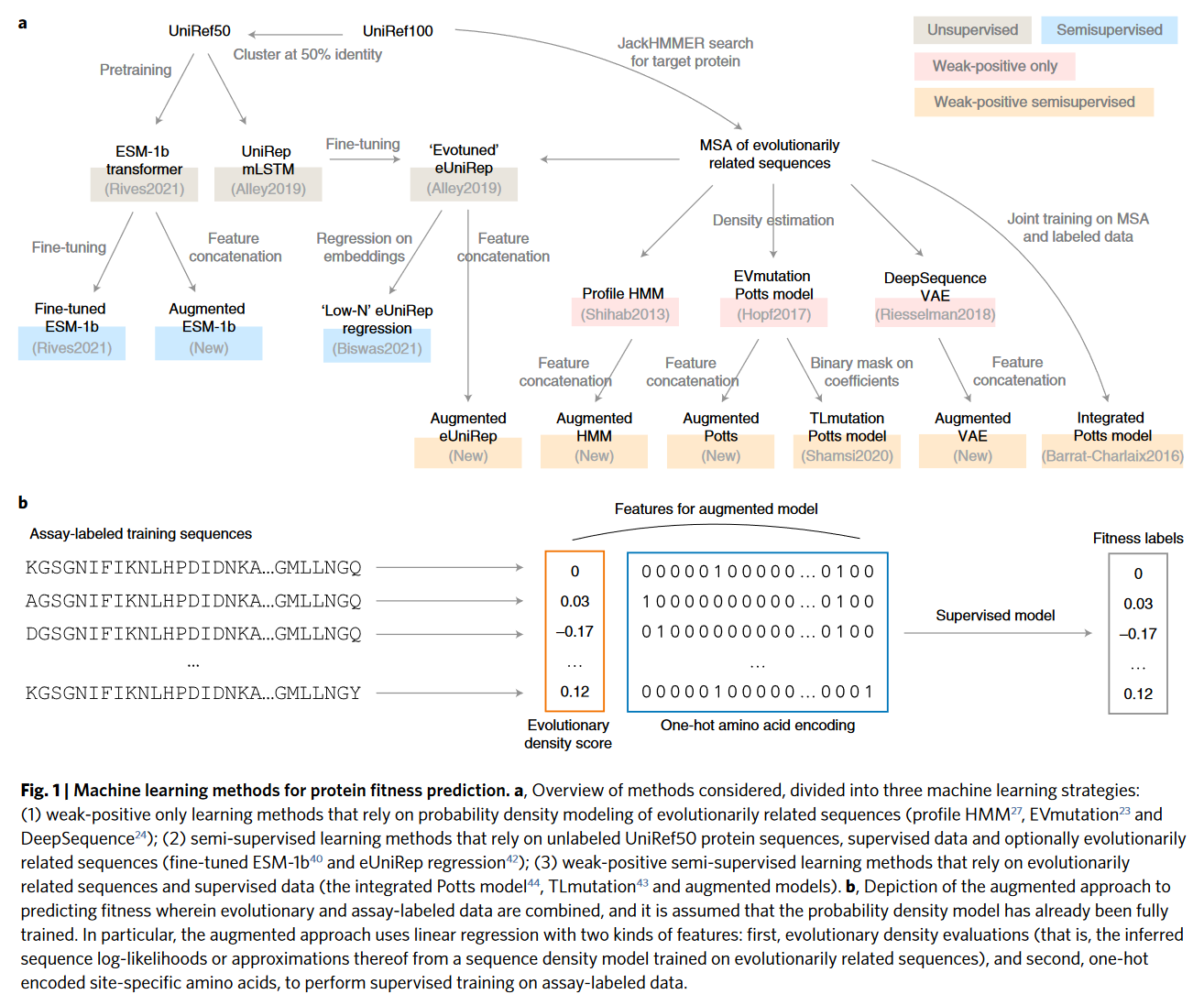
Nature Biotechnology-2022 Learning protein fitness models from evolutionary and assay-labeled data
2023
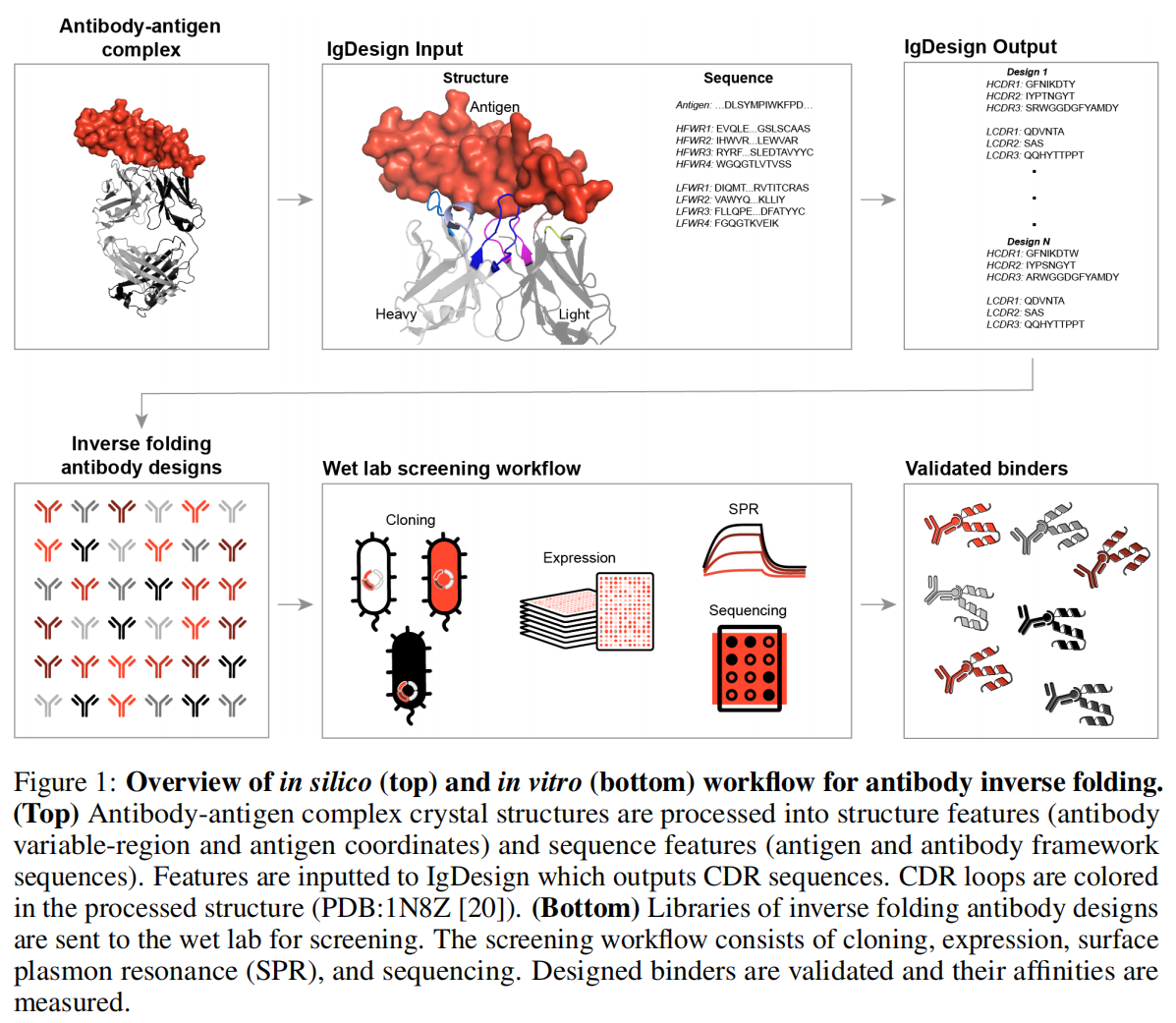
bioRxiv-2023 IgDesign-In vitro validated antibody design against multiple therapeutic antigens using inverse folding
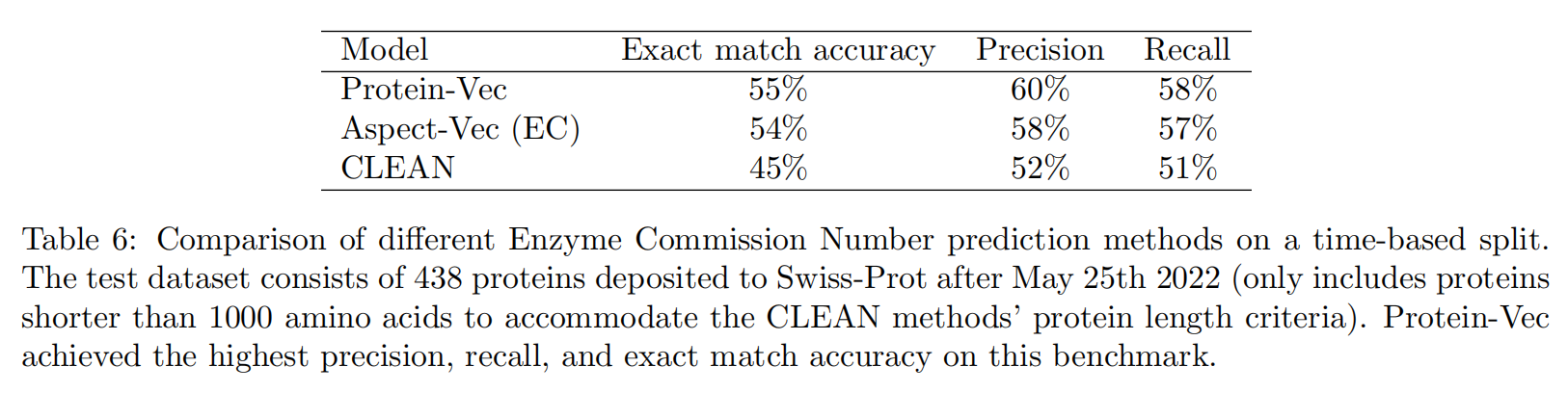
bioRxiv-2023 Learning sequence, structure, and function representations of proteins with language models

Nature Biotechnology-2023 Protein remote homology detection and structural alignment using deep learning

NeurIPS-2023 PoET:A generative model of protein families as sequences-of-sequences
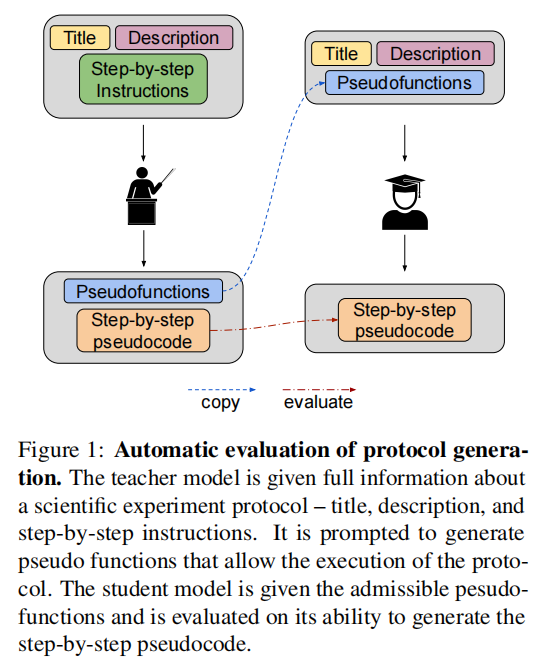
EMNLP-2023 BioPlanner:Automatic Evaluation of LLMs on Protocol Planning in Biology
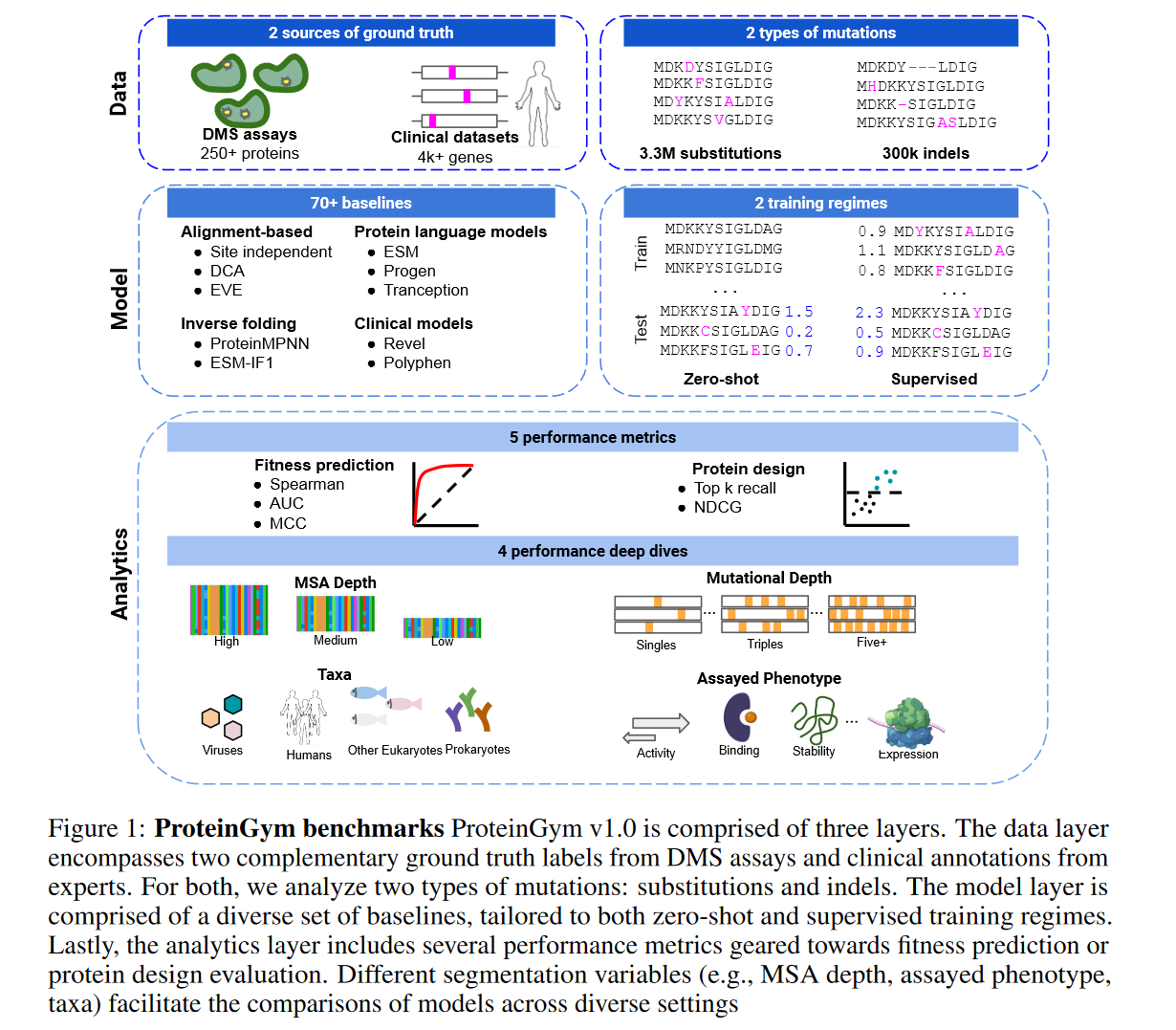
NeurIPS-2023 ProteinGym:Large-Scale Benchmarks for Protein Design and Fitness Prediction
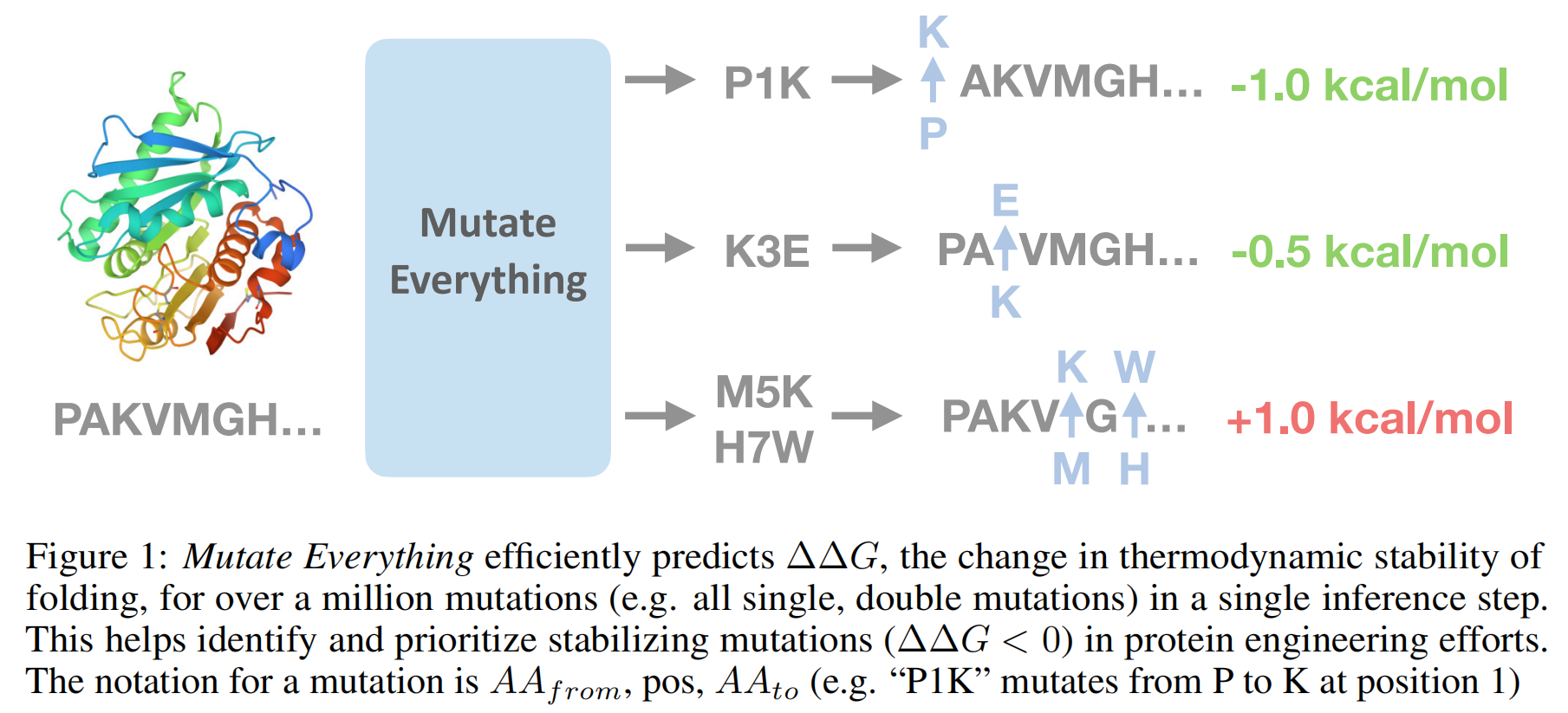
NeurIPS-2023 Predicting a Protein’s Stability under a Million Mutations
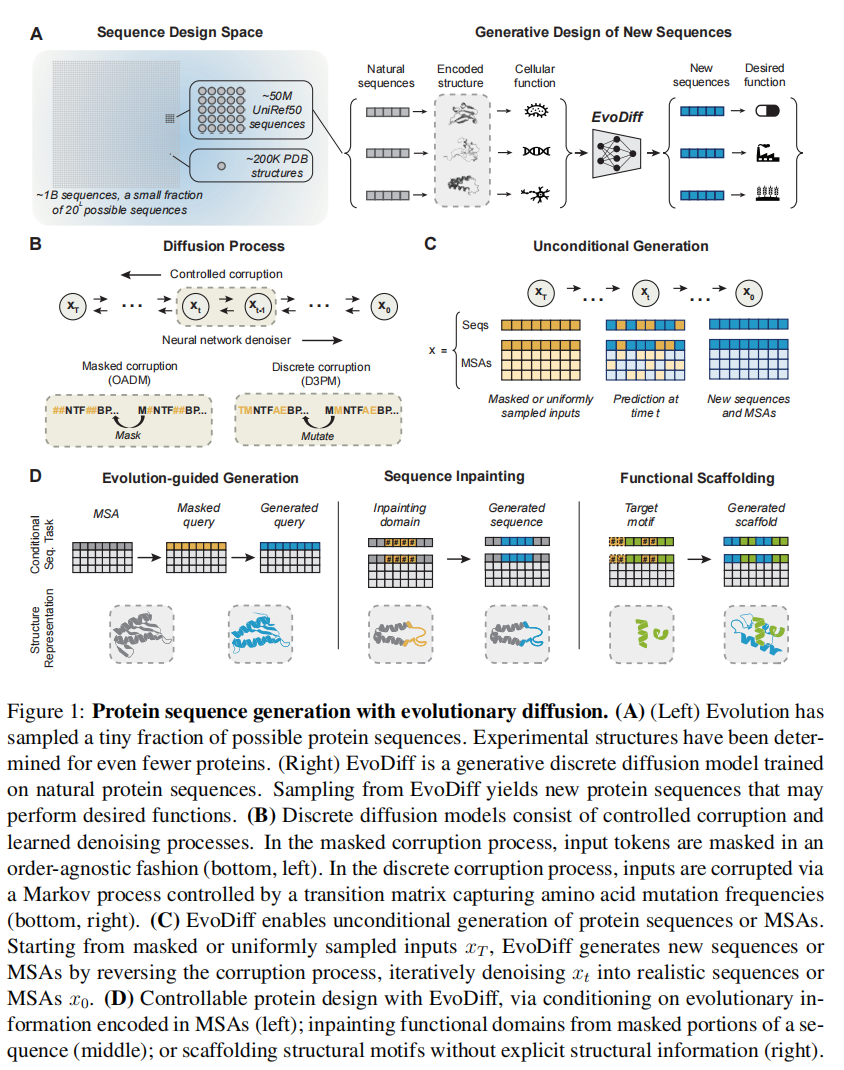
bioRxiv-2023 Protein generation with evolutionary diffusion:sequence is all you need
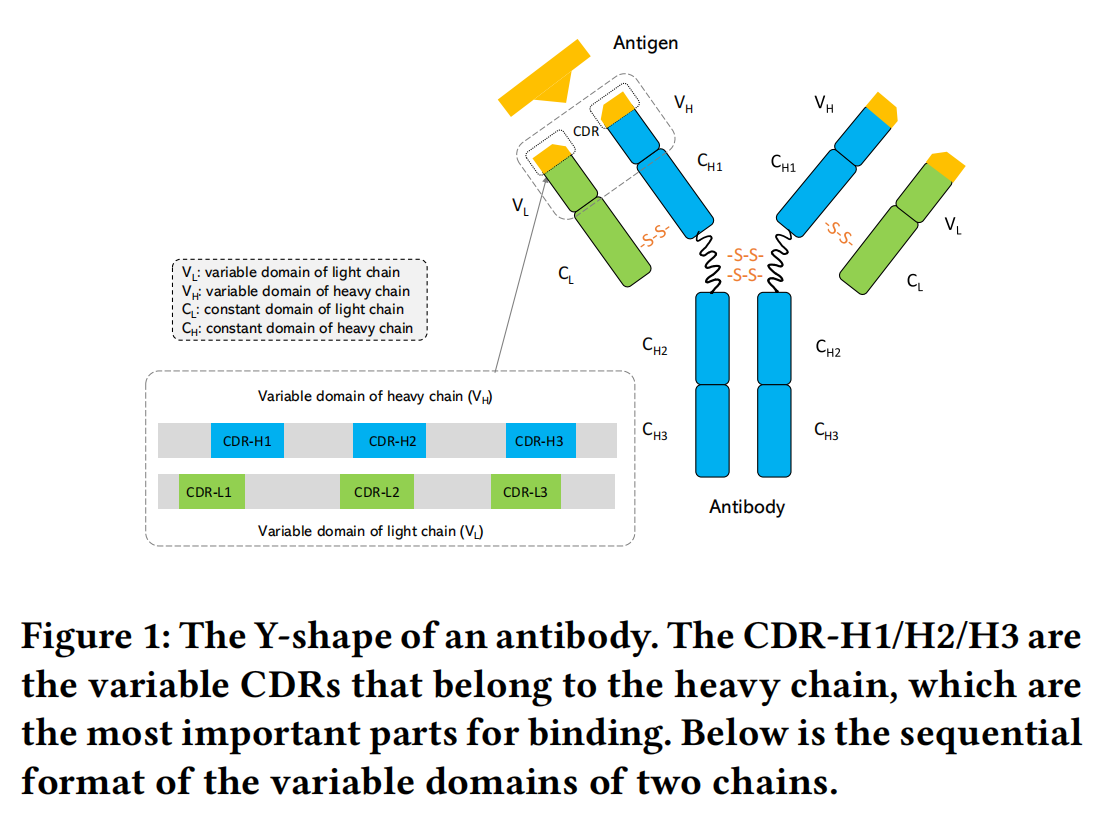
KDD-2023 Pre-training Antibody Language Models for Antigen-Specific Computational Antibody Design
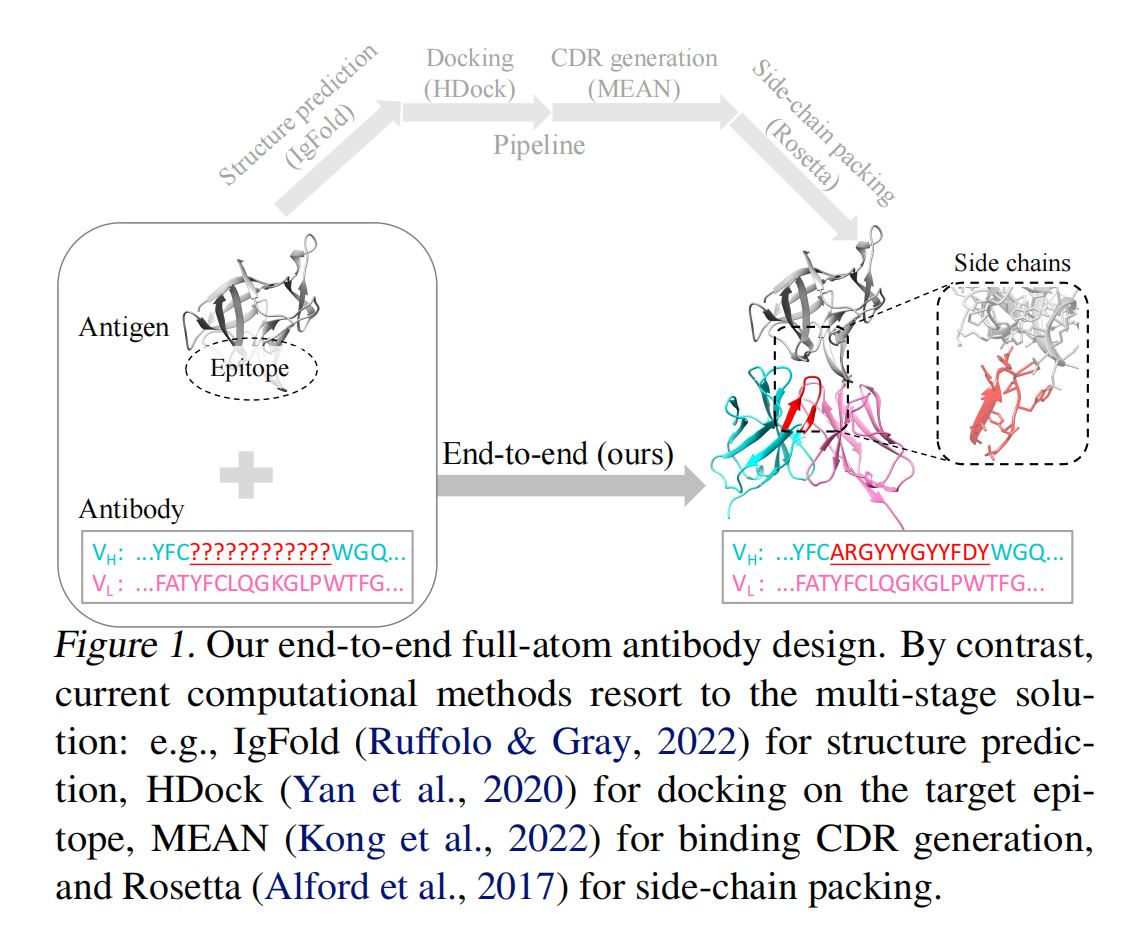
ICML-2023 End-to-End Full-Atom Antibody Design
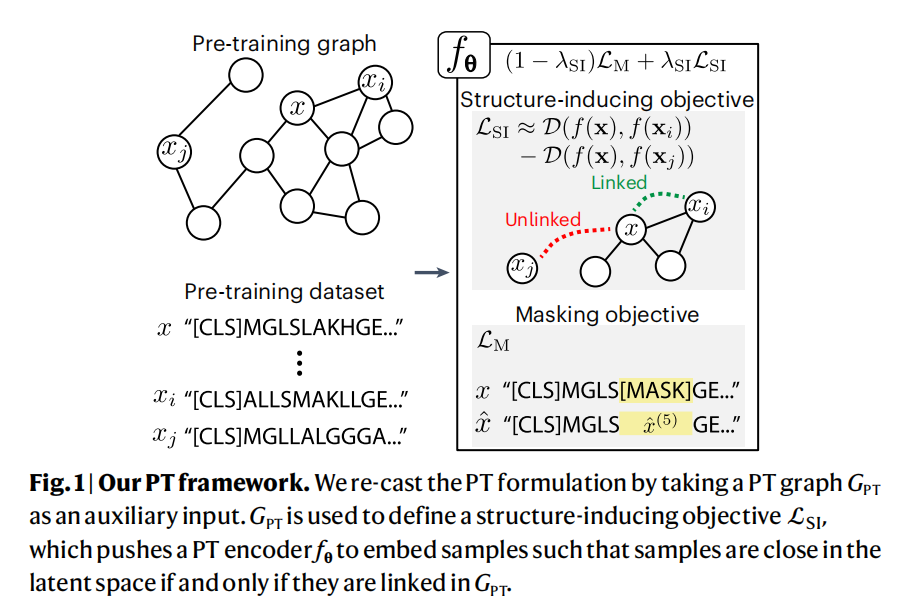
Nature Machine Intelligence-2023 Structure-inducing pre-training for generalizable representation learning
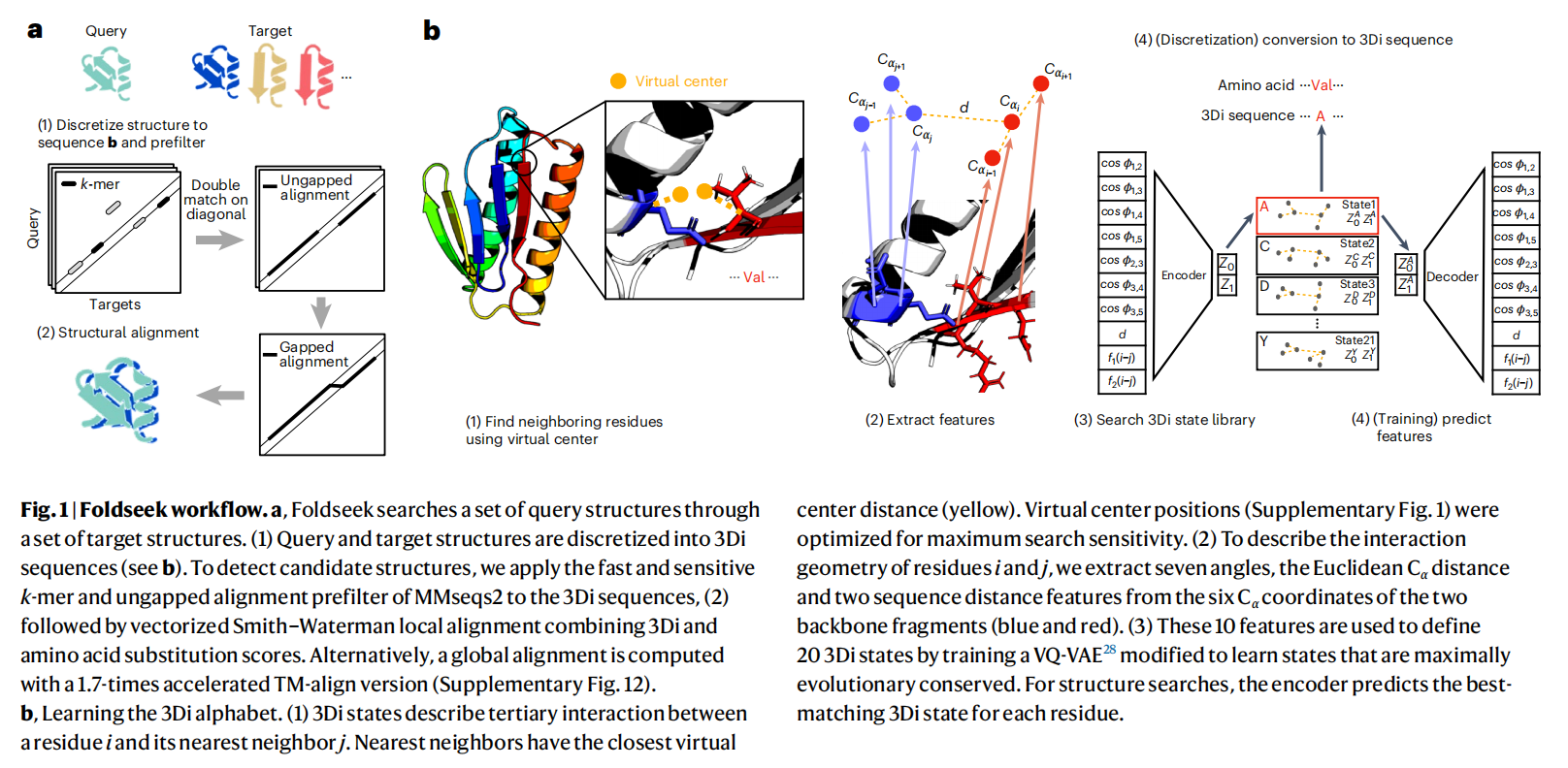
Nature Biotechnology-2023 Fast and accurate protein structure search with Foldseek
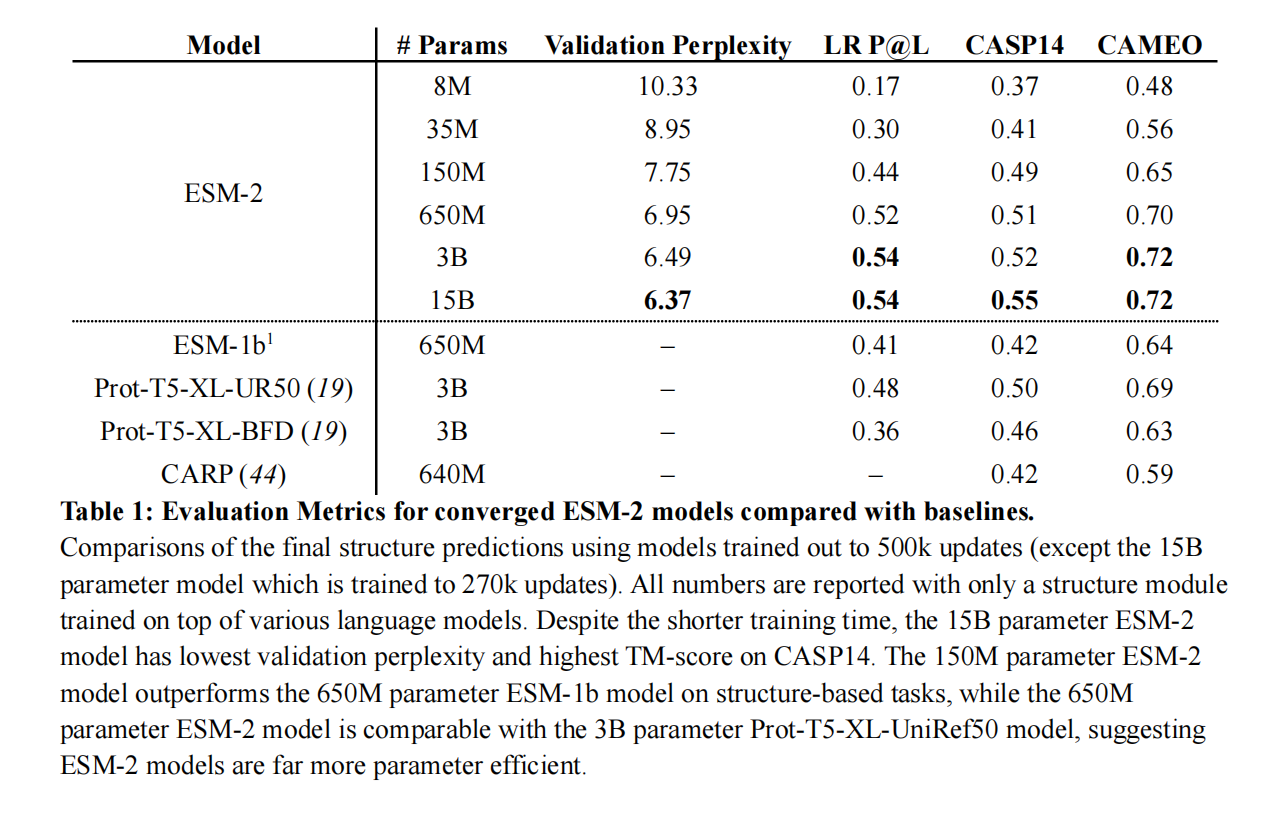
Science-2023 Evolutionary-scale prediction of atomic-level protein structure with a language model
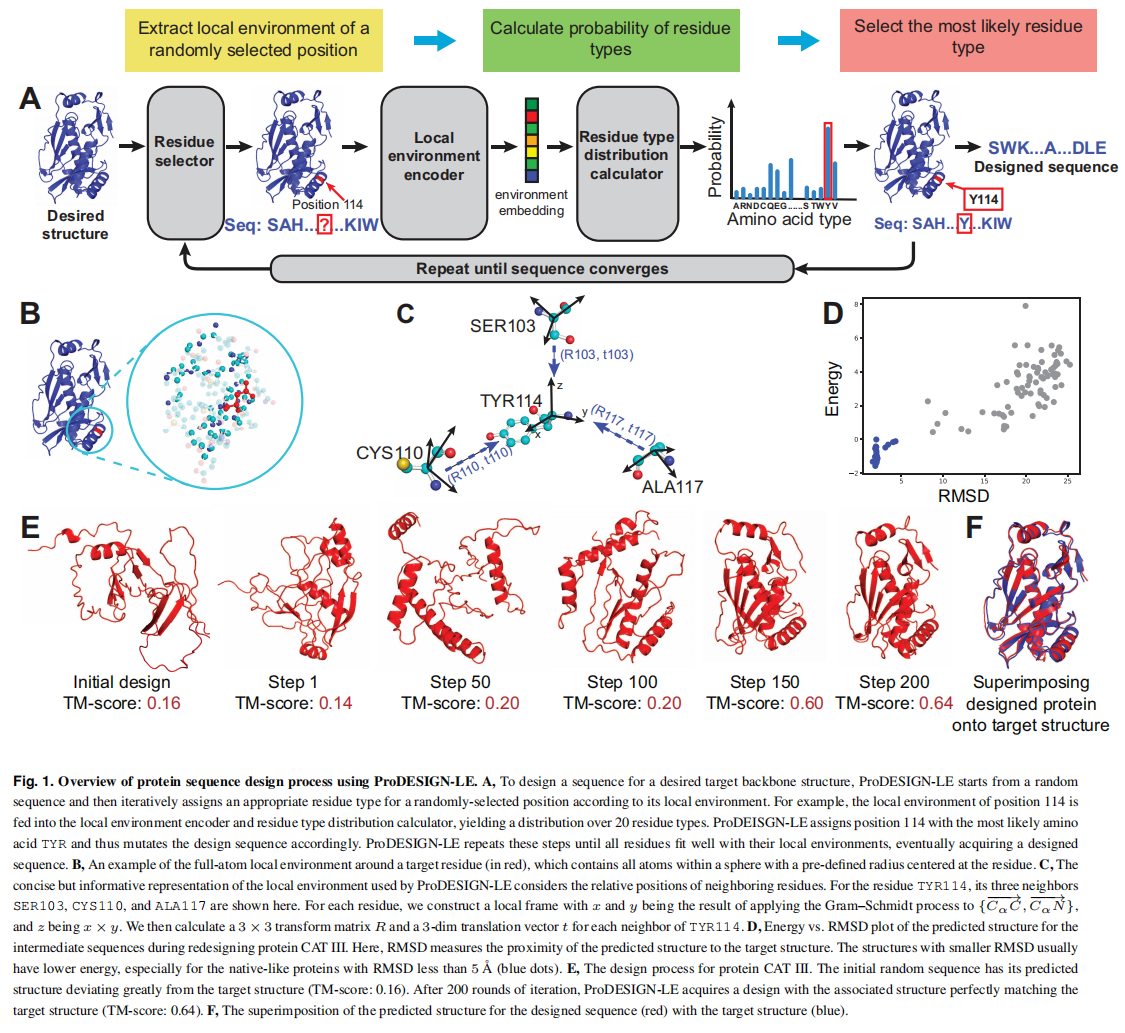
Bioinformatics-2023 Accurate and efficient protein sequence design through learning concise local environment of residues
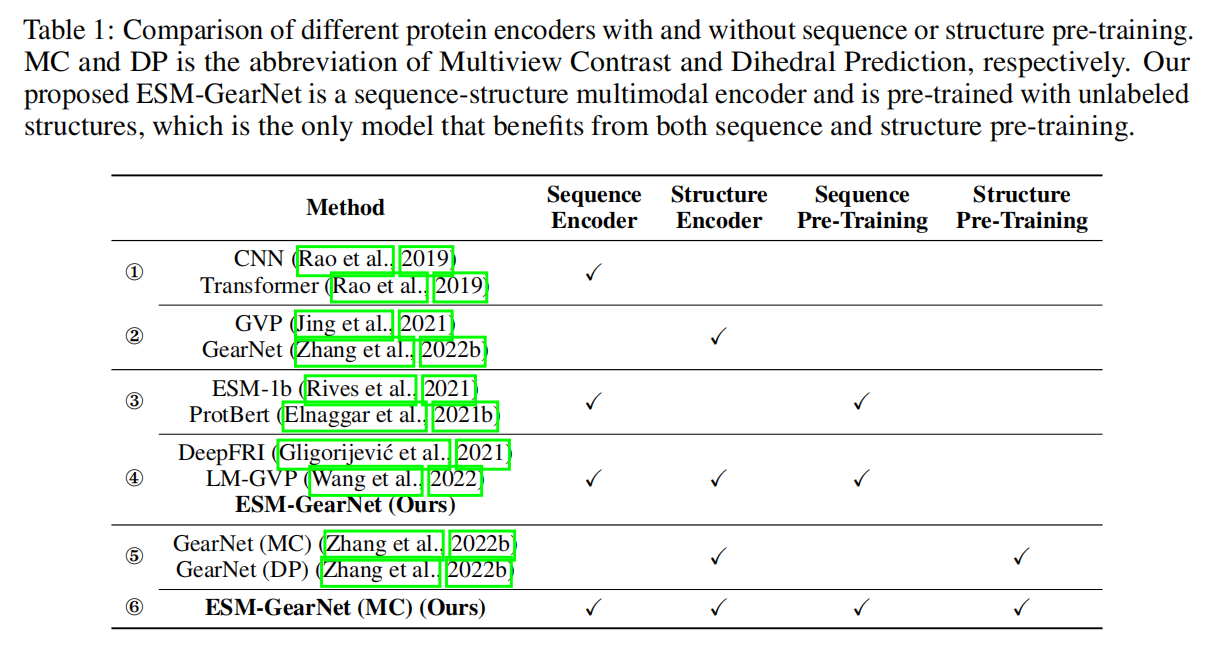
ICLRw-2023 Enhancing Protein Language Models with Structure-based Encoder and Pre-training
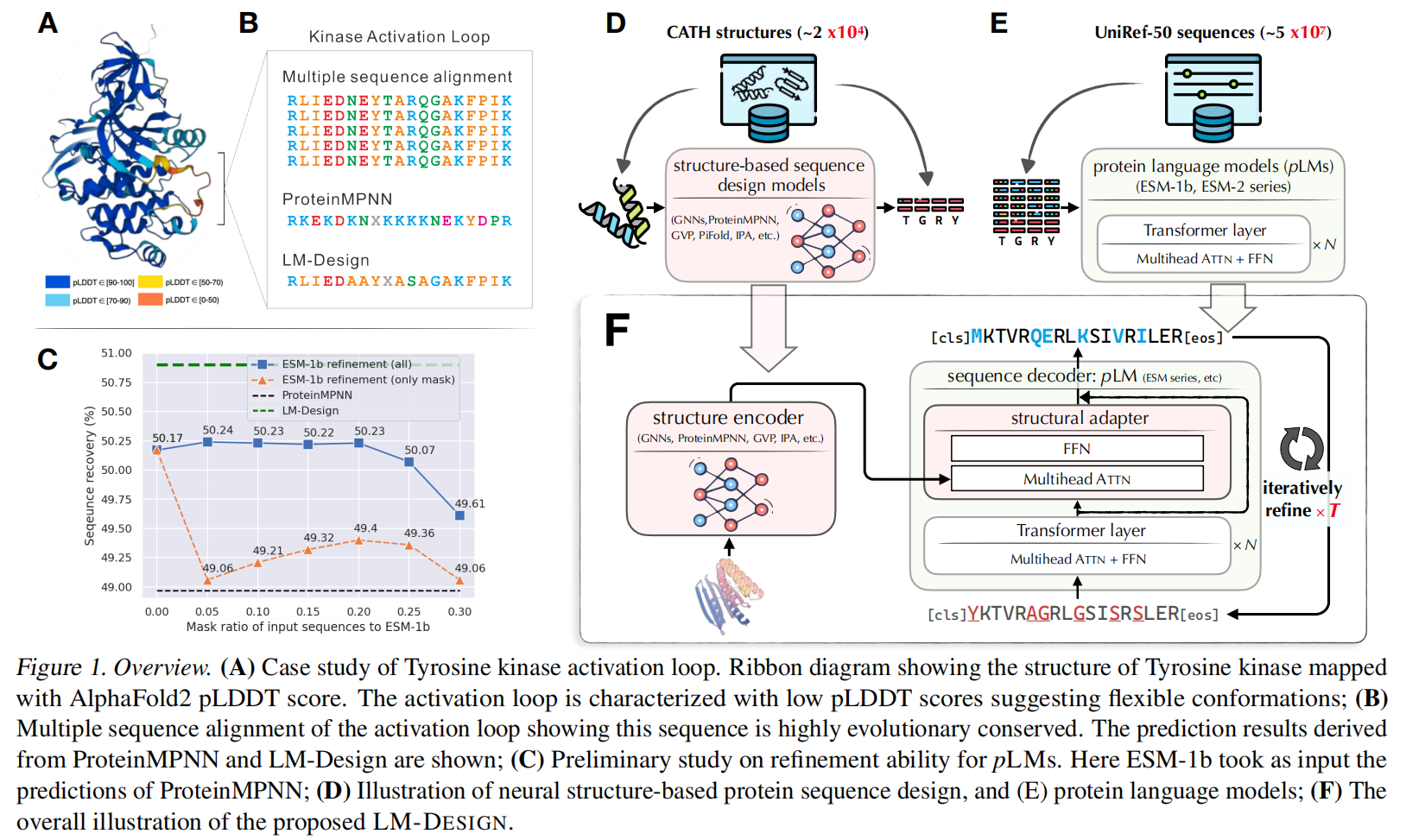
ICML-2023 Structure-informed Language Models Are Protein Designers
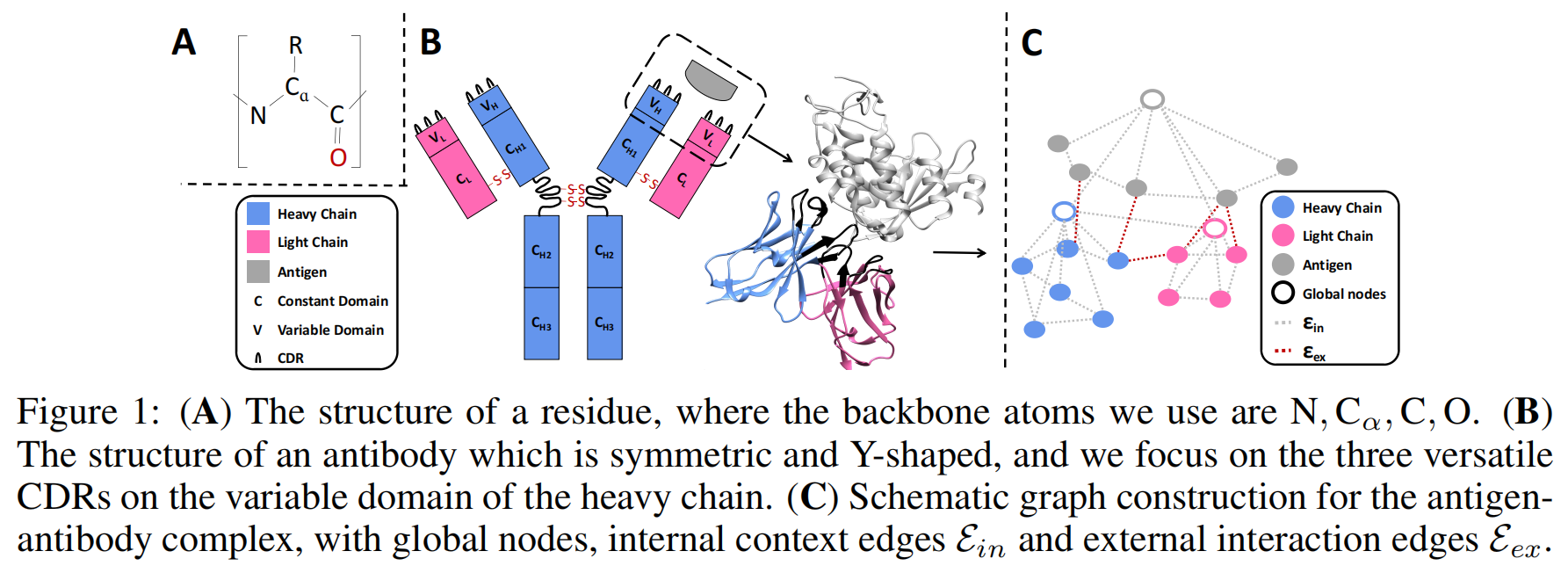
ICLR-2023 Conditional Antibody Design as 3D Equivariant Graph Translation
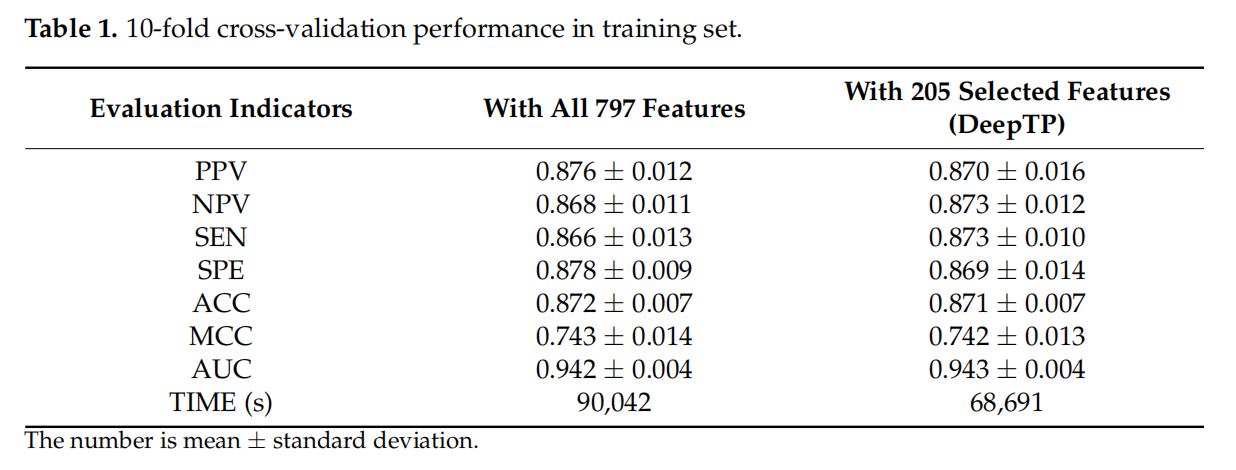
International Journal of Molecular Sciences-2023 DeepTP:A Deep Learning Model for Thermophilic Protein Prediction
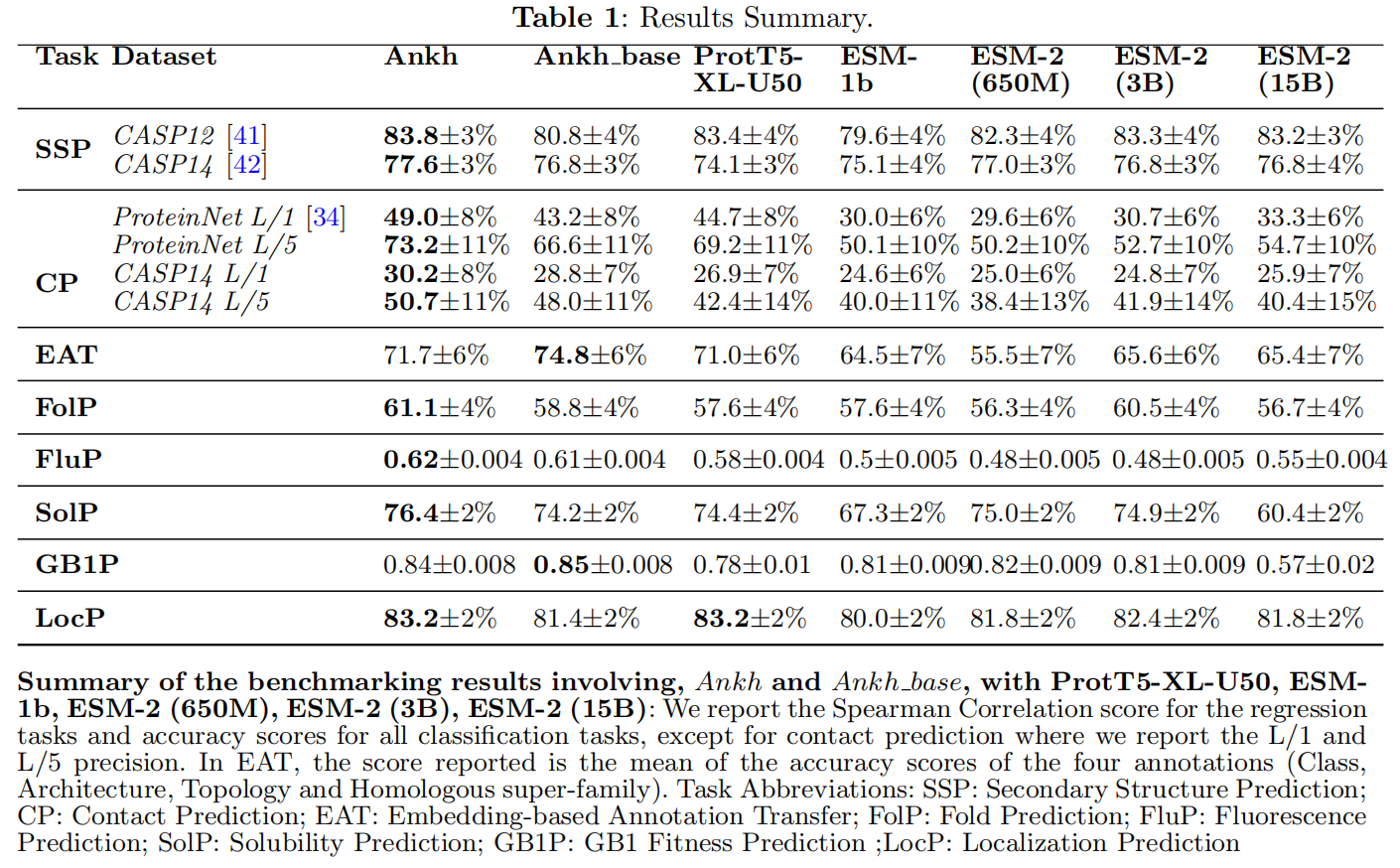
bioRxiv-2023 Ankh:Optimized Protein Language Model Unlocks General-Purpose Modelling
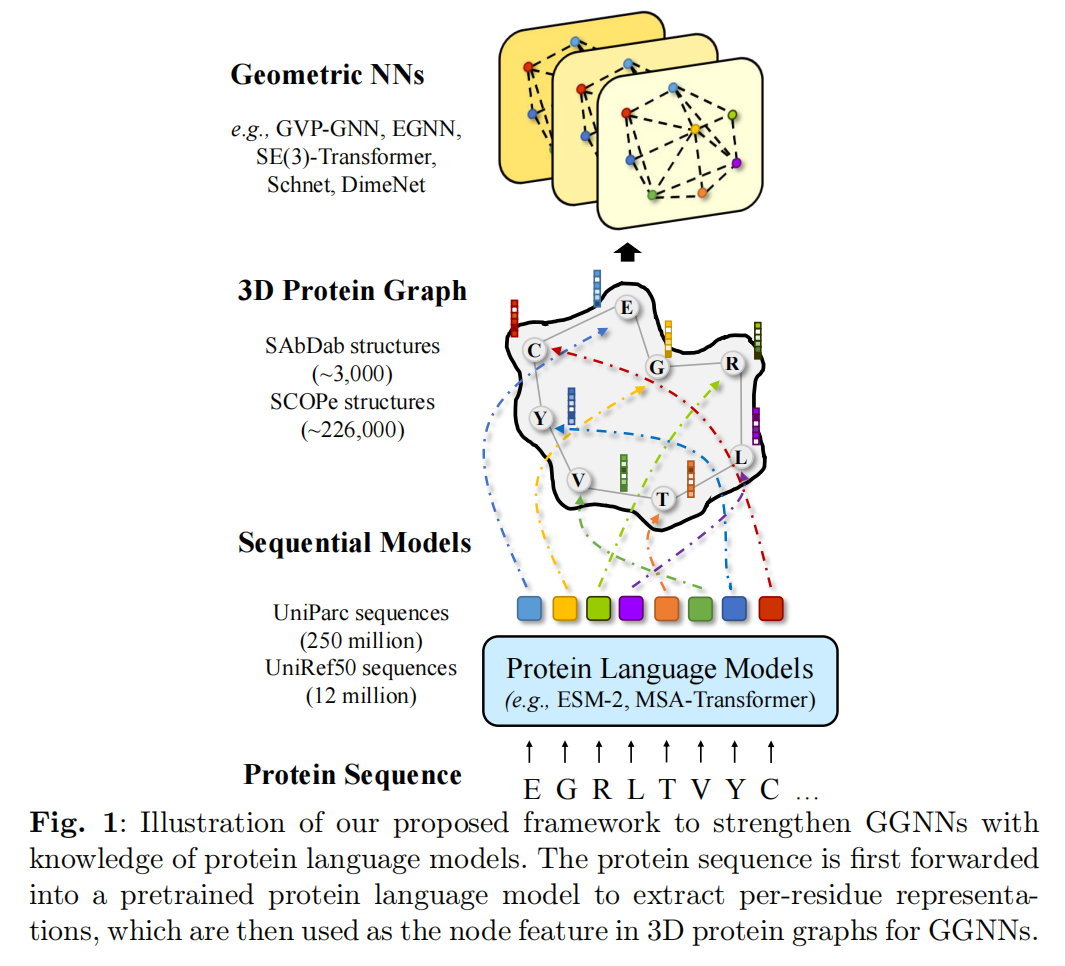
bioRxiv-2023 When Geometric Deep Learning Meets Pretrained Protein Language Models
2024
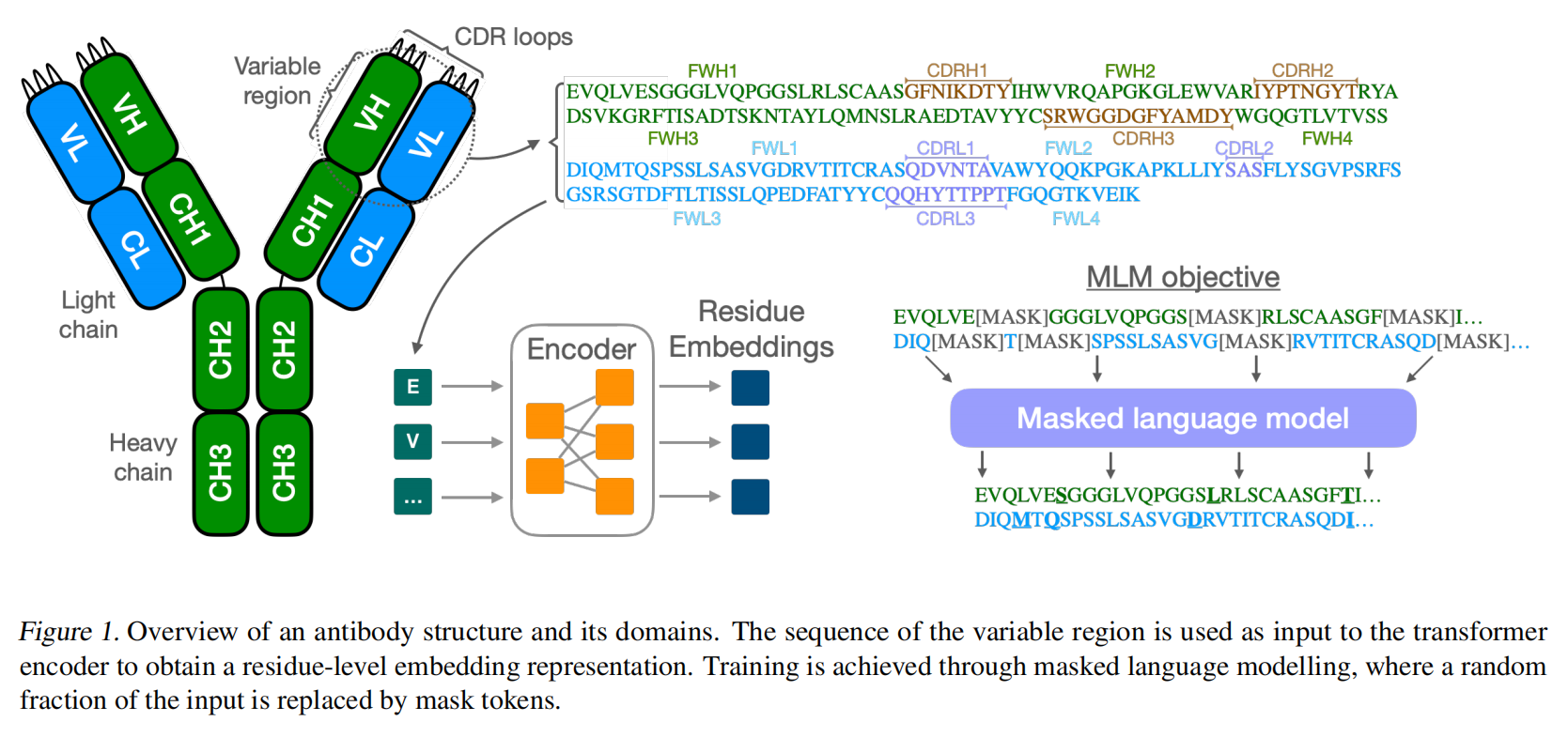
PLOS Computational Biology-2024 Large scale paired antibody language models
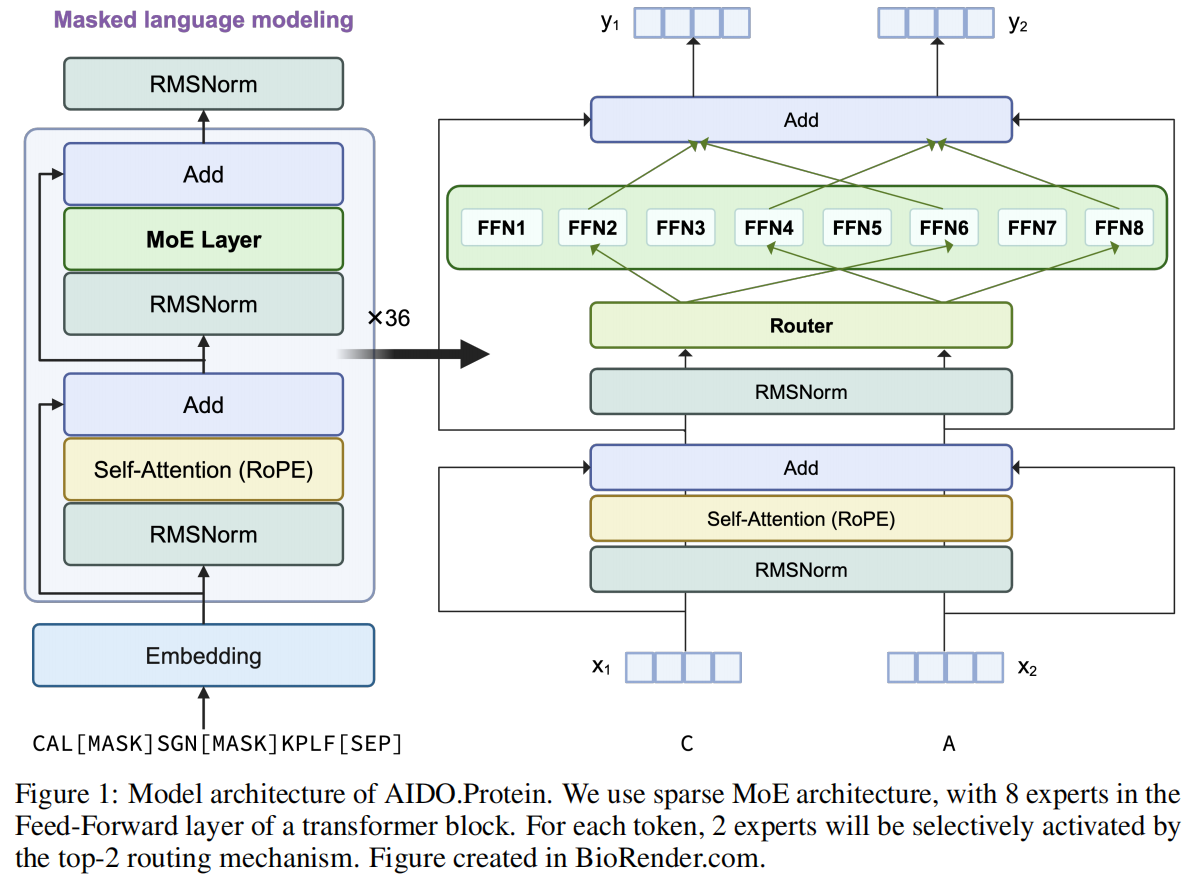
bioRxiv-2024 Mixture of Experts Enable Efficient and Effective Protein Understanding and Design

Bioinformatics-2024 Expert-guided protein language models enable accurate and blazingly fast fitness prediction
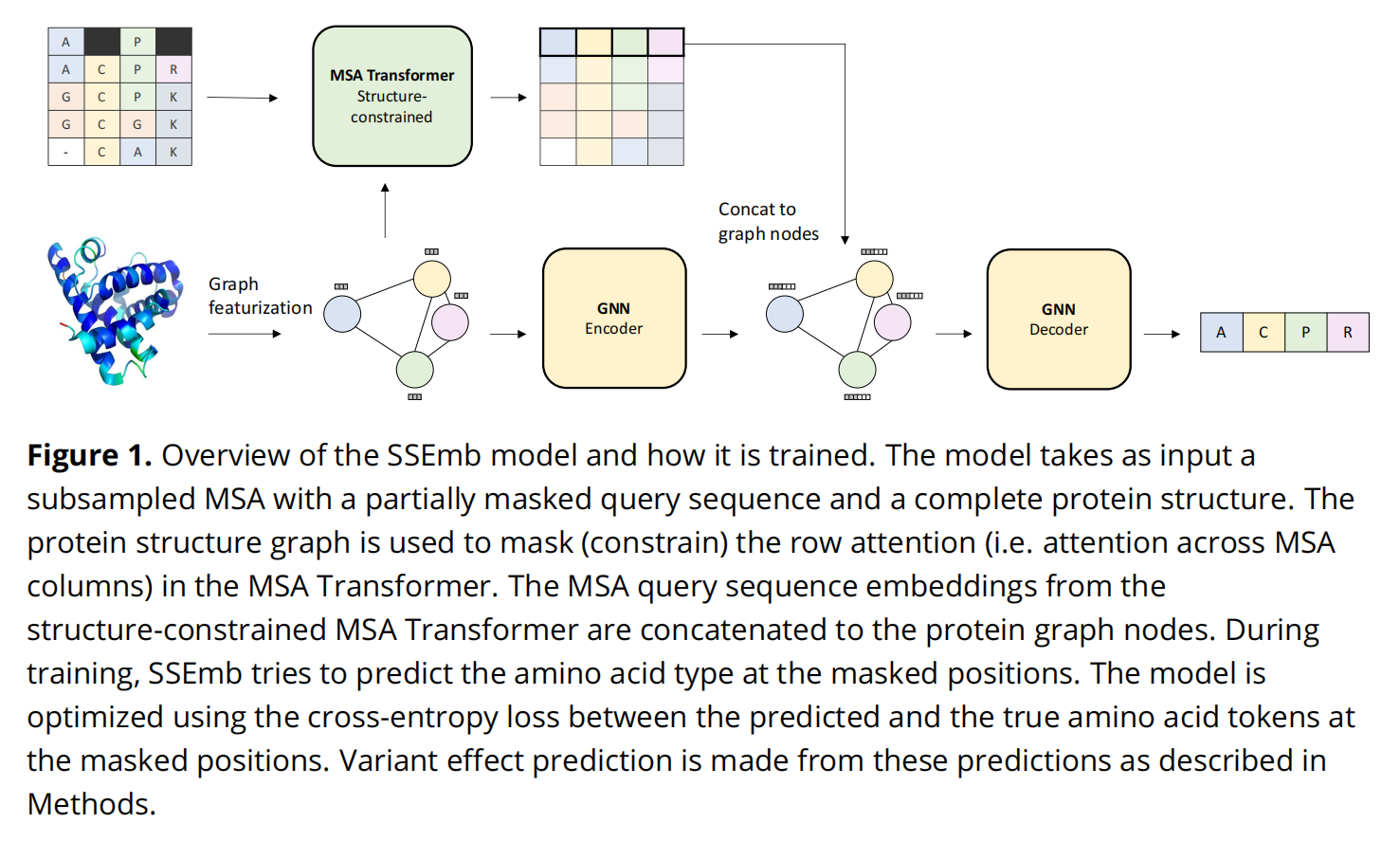
Nature Communications-2024 A joint embedding of protein sequence and structure enables robust variant effect predictions
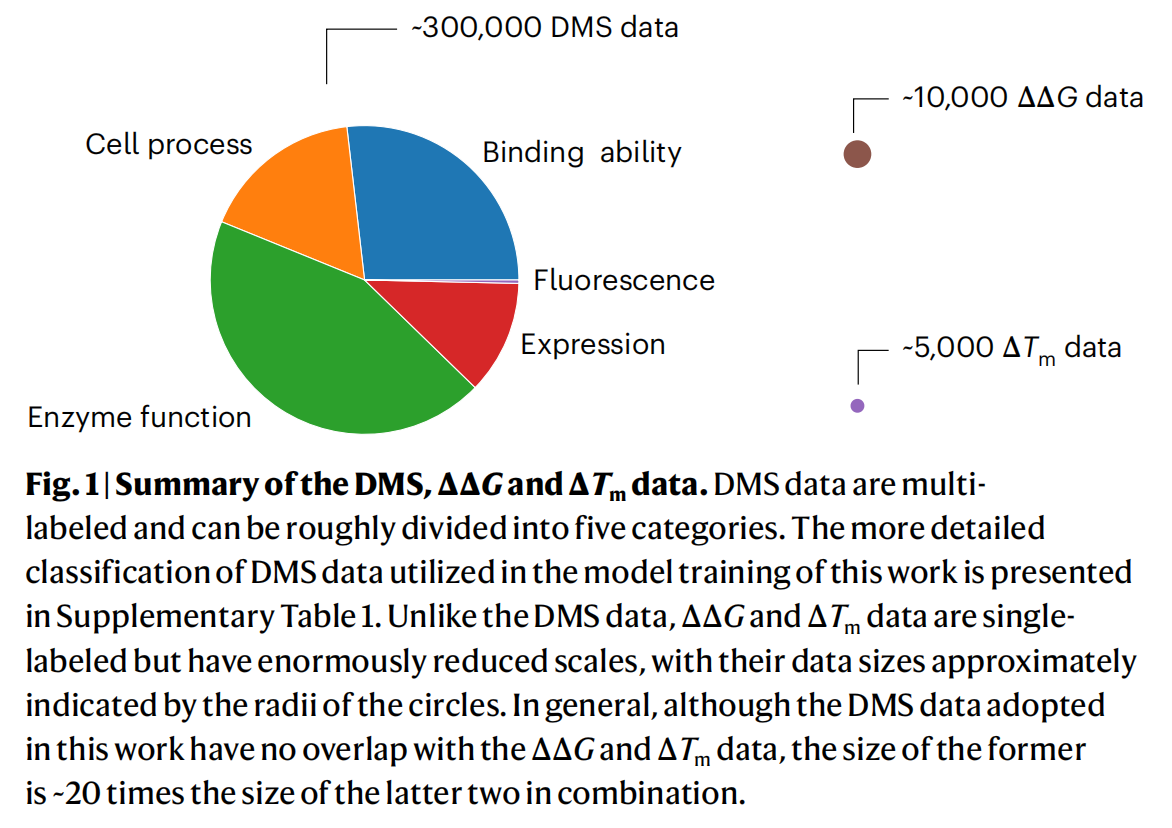
Nature Computational Science-2025 Improving the prediction of protein stability changes upon mutations by geometric learning and a pre-training strategy
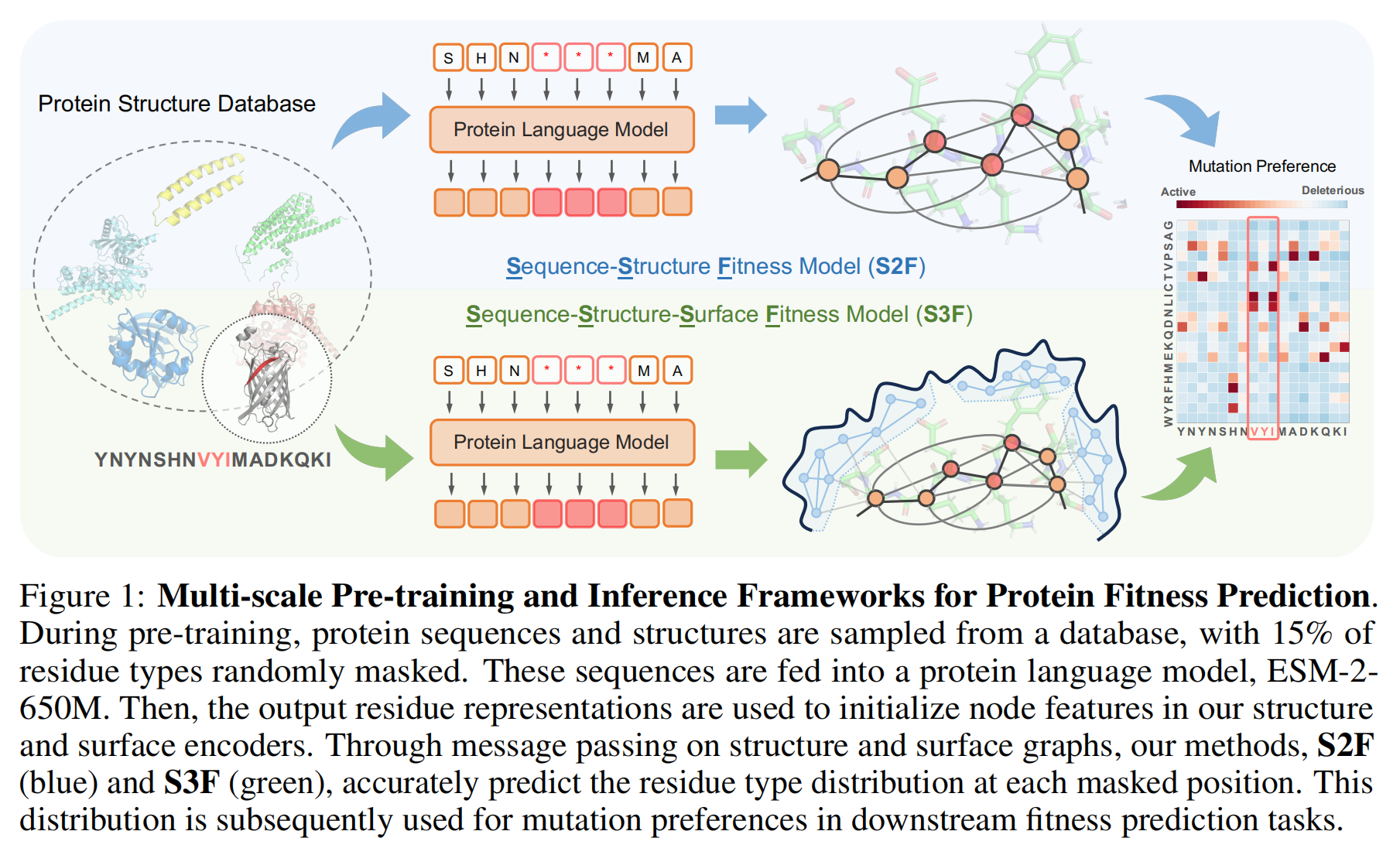
NeurIPS-2024 Multi-Scale Representation Learning for Protein Fitness Prediction

Nature Biotechnology-2024 Multistate and functional protein design using RoseTTAFold sequence space diffusion
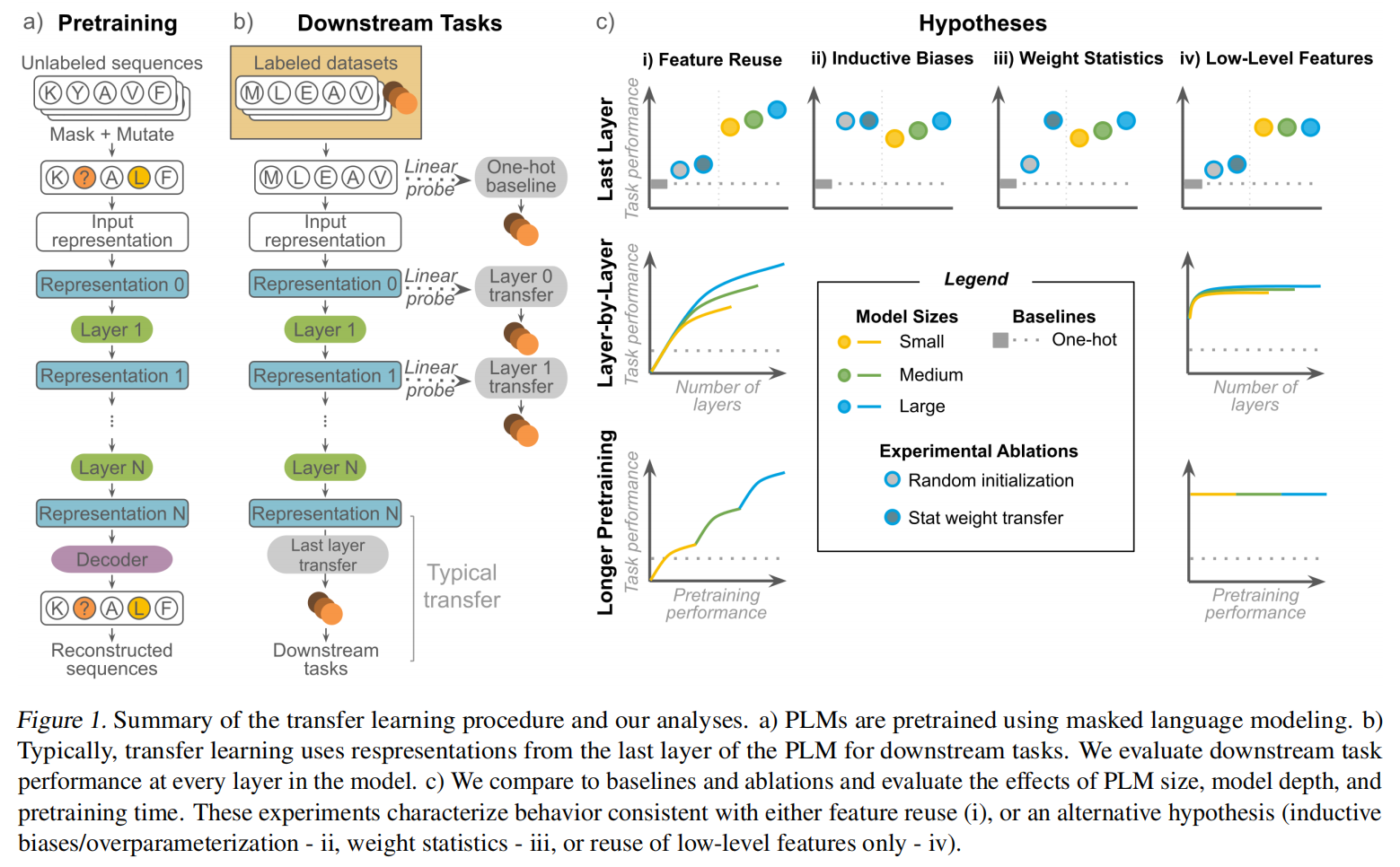
ICML-2024 Feature Reuse and Scaling:Understanding Transfer Learning with Protein Language Models
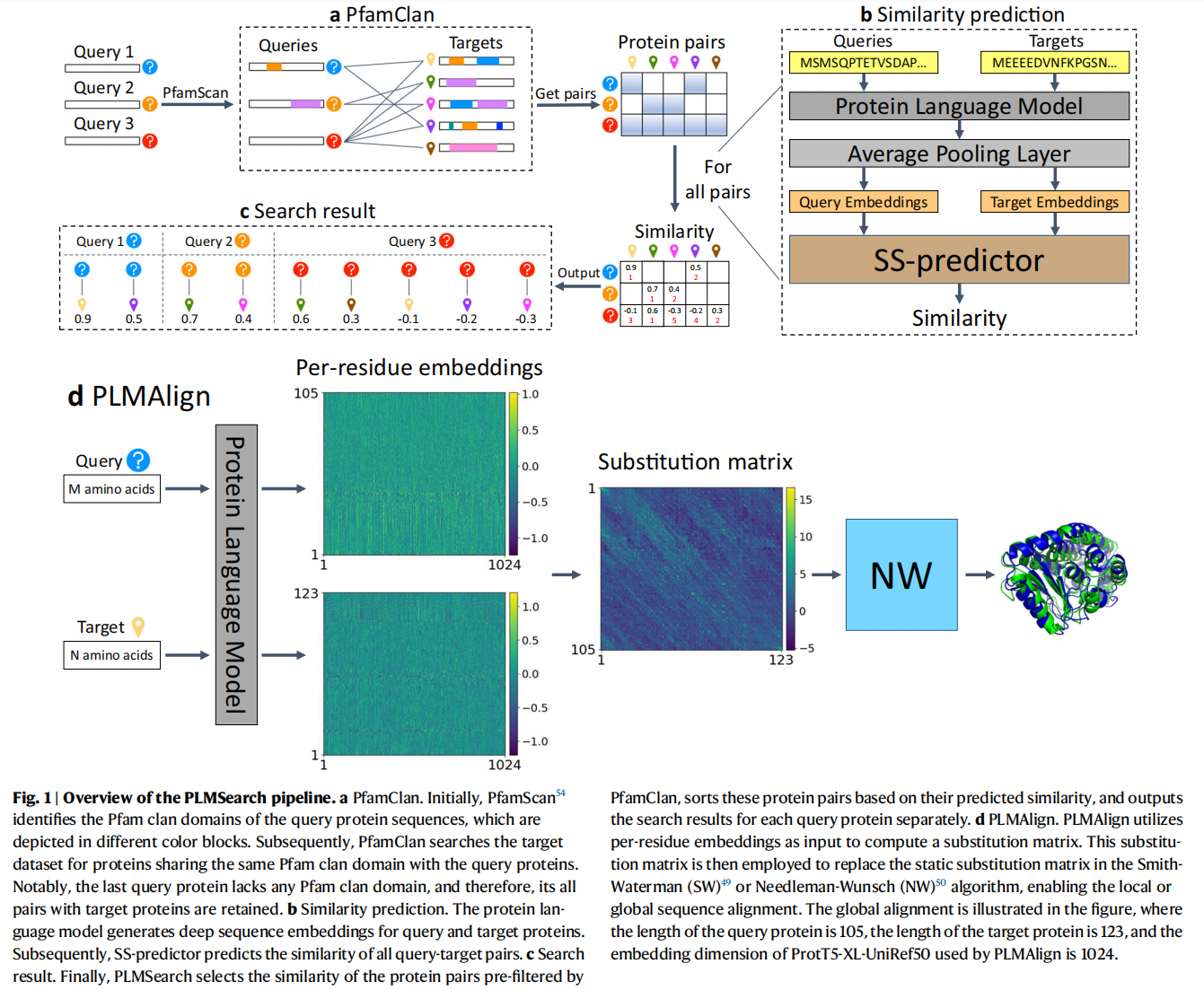
Nature Communications-2024 PLMSearch:Protein language model powers accurate and fast sequence search for remote homology
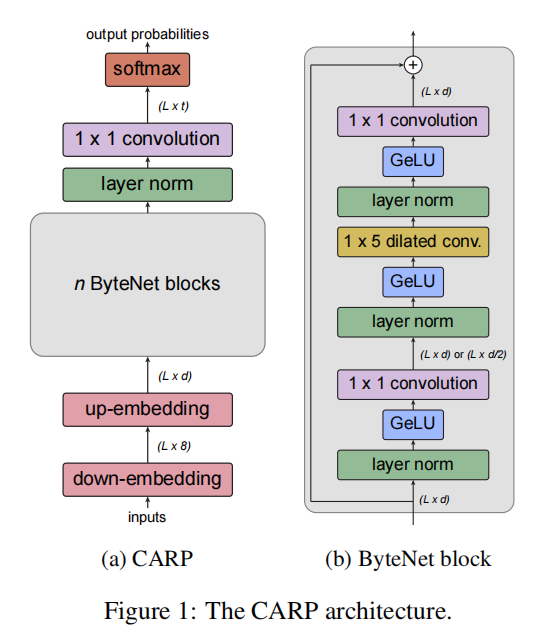
Cell Systems-2024 Convolutions are competitive with transformers for protein sequence pretraining
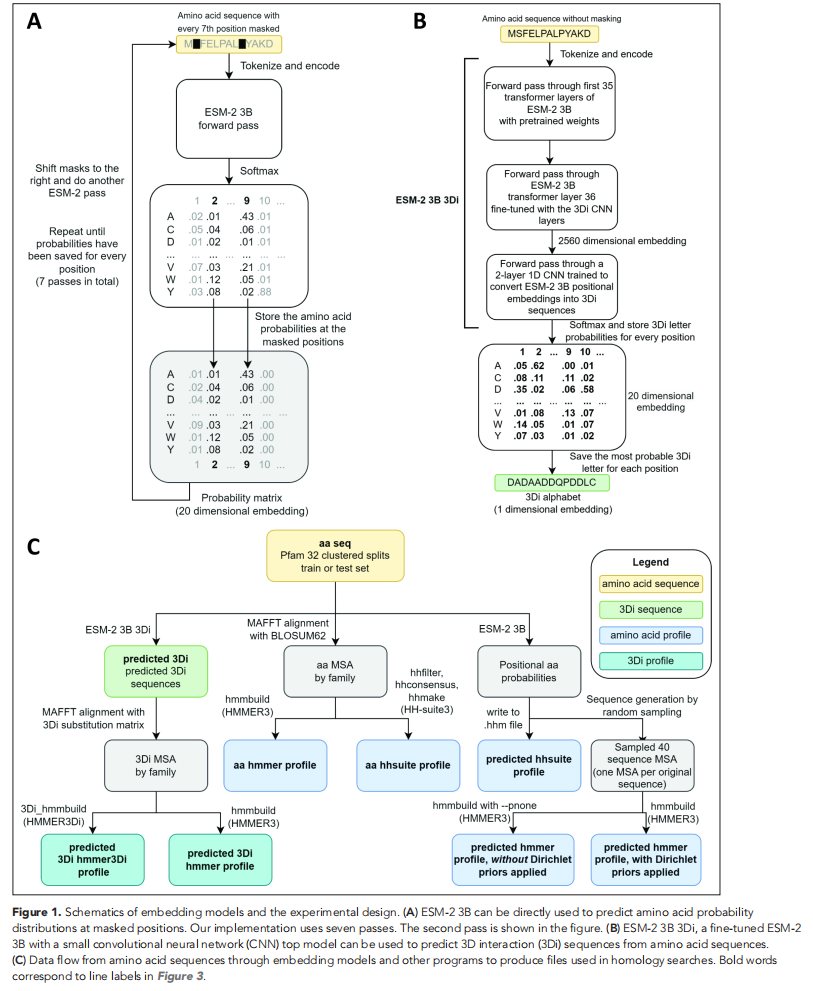
eLife-2024 Sensitive remote homology search by local alignment of small positional embeddings from protein language models

Journal of Chemical Information and Modeling-2024 TM-search:An Efficient and Effective Tool for Protein Structure Database Search
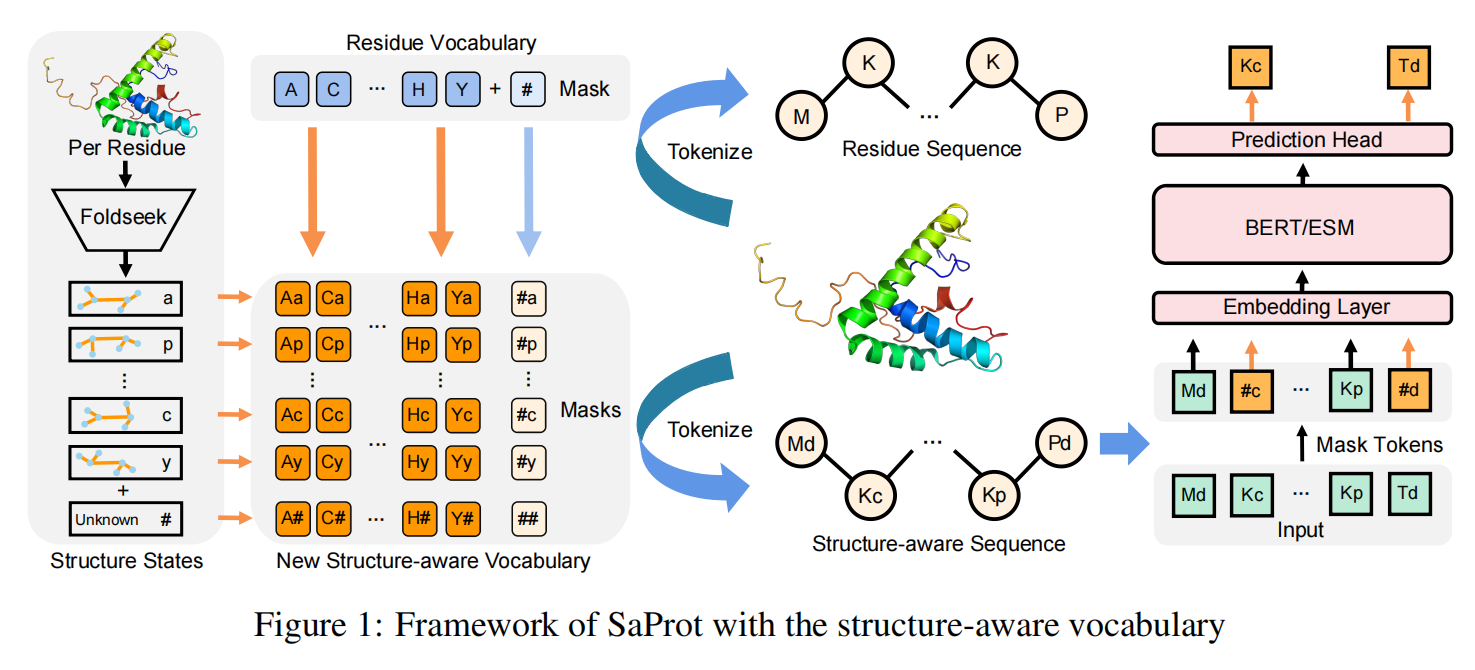
ICLR-2024 SaProt:Protein Language Modeling with Structure-aware Vocabulary
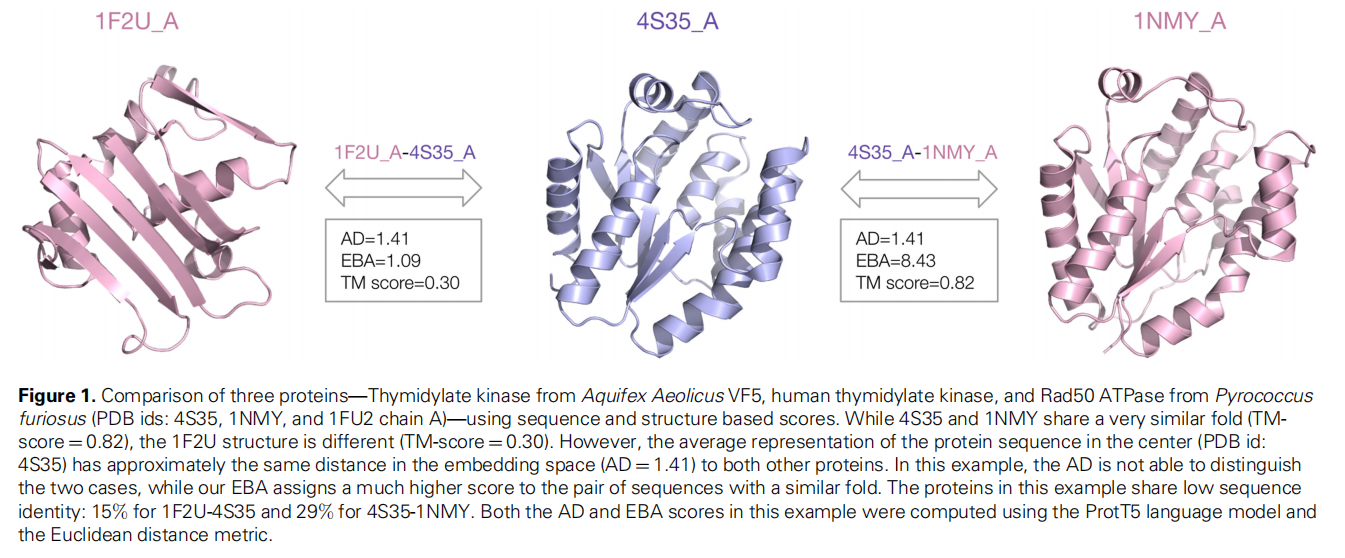
Bioinformatics-2024 Embedding-based alignment:combining protein language models with dynamic programming alignment to detect structural similarities in the twilight-zone
2025
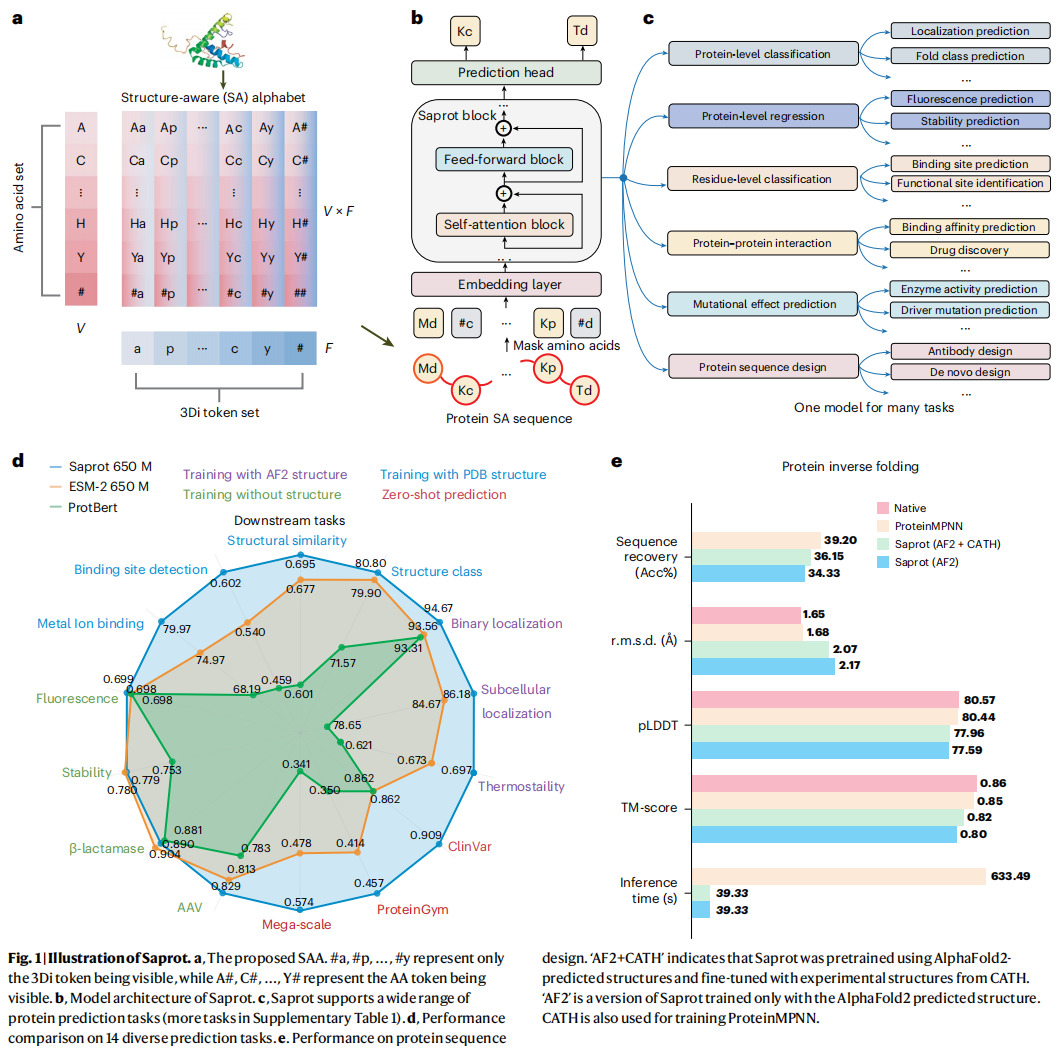
Nature Biotechnology-2025 Democratizing protein language model training, sharing and collaboration
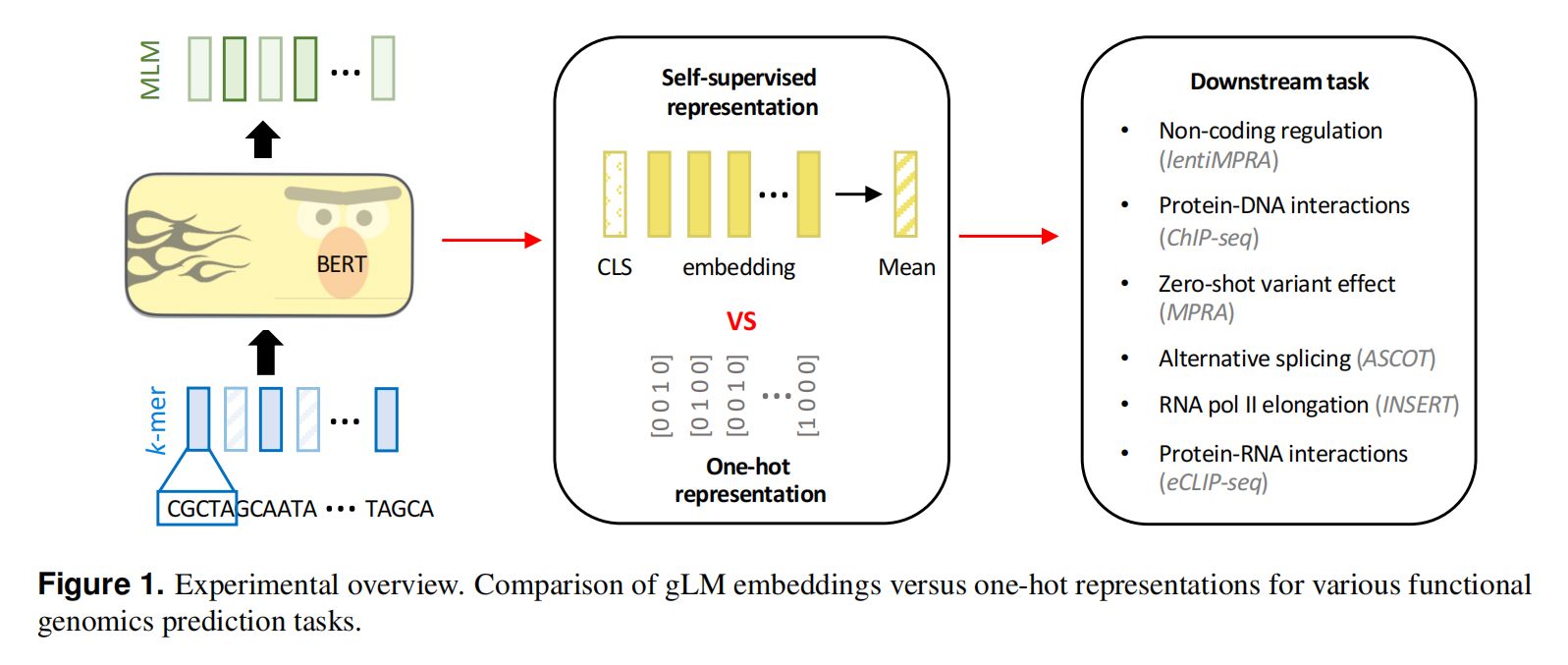
Genome Biology-2025 Evaluating the representational power of pre-trained DNA language models for regulatory genomics
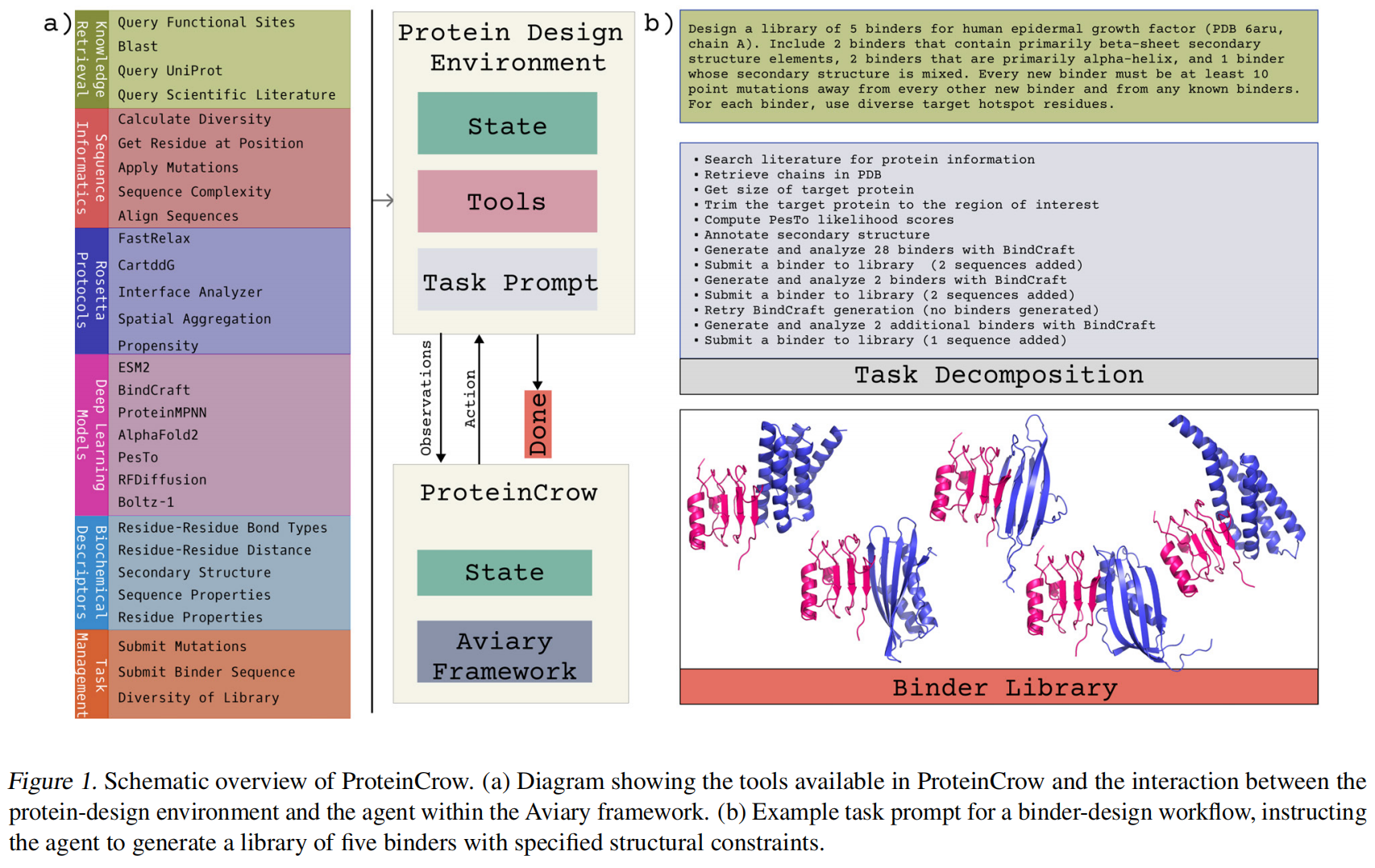
ICMLw-2025 ProteinCrow:A Language Model Agent That Can Design Proteins
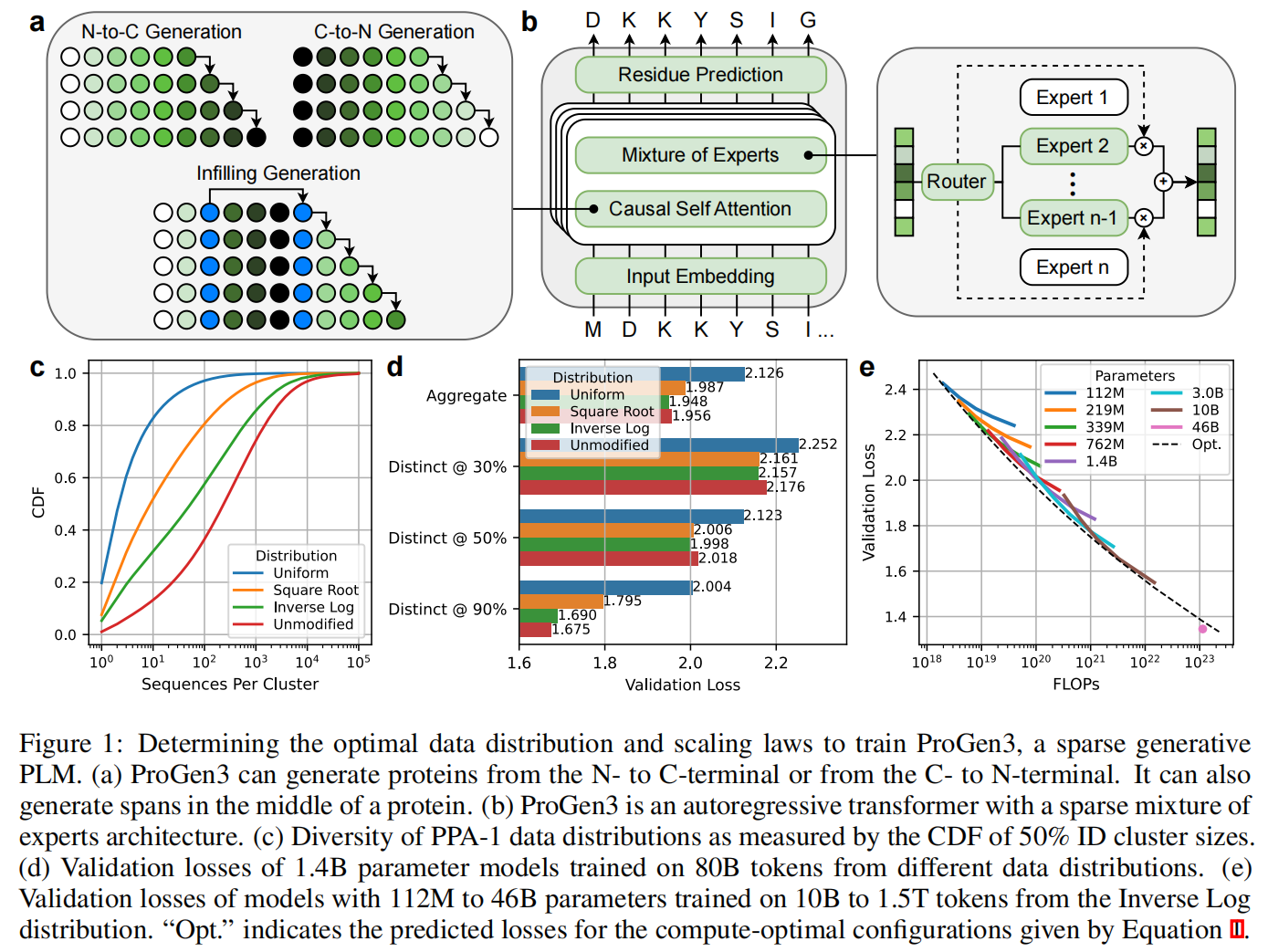
arXiv-2025 Scaling unlocks broader generation and deeper functional understanding of proteins
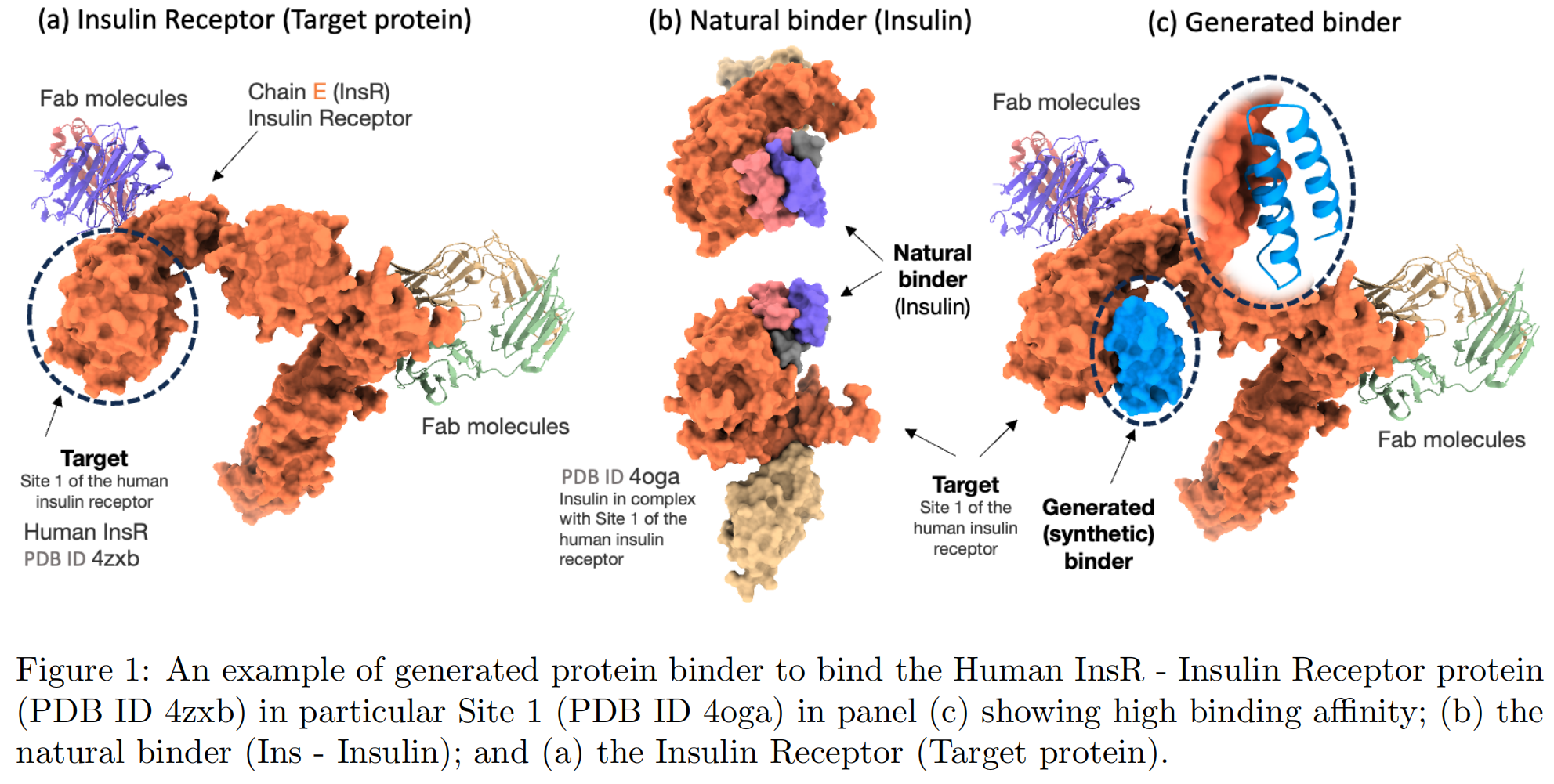
arXiv-2025 Prot42:a Novel Family of Protein Language Models for Target-aware Protein Binder Generation
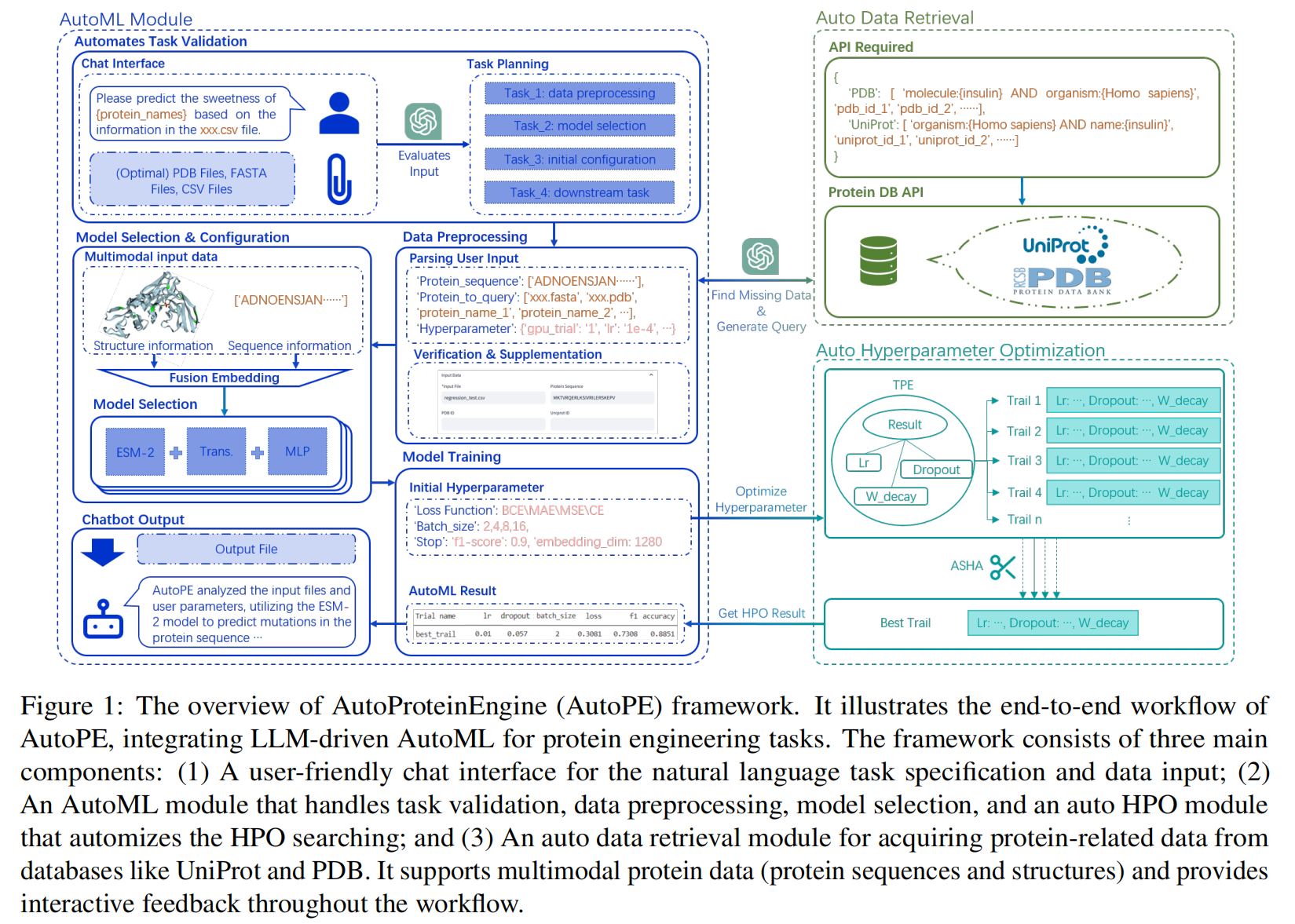
COLING-2025 AutoProteinEngine:A Large Language Model Driven Agent Framework for Multimodal AutoML in Protein Engineering
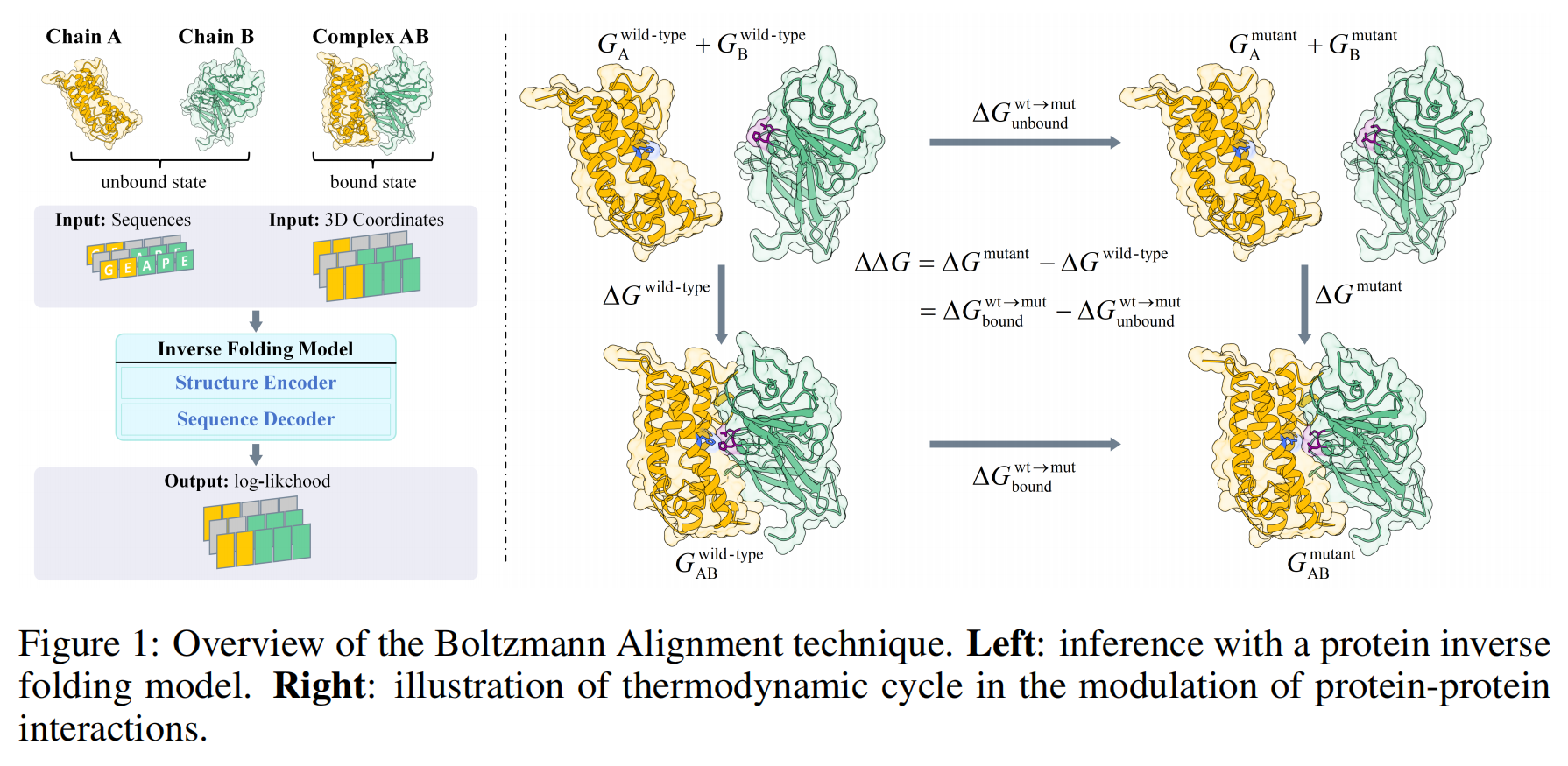
ICLR-2025 Boltzmann-Aligned Inverse Folding Model as a Predictor of Mutational Effects on Protein-Protein Interactions
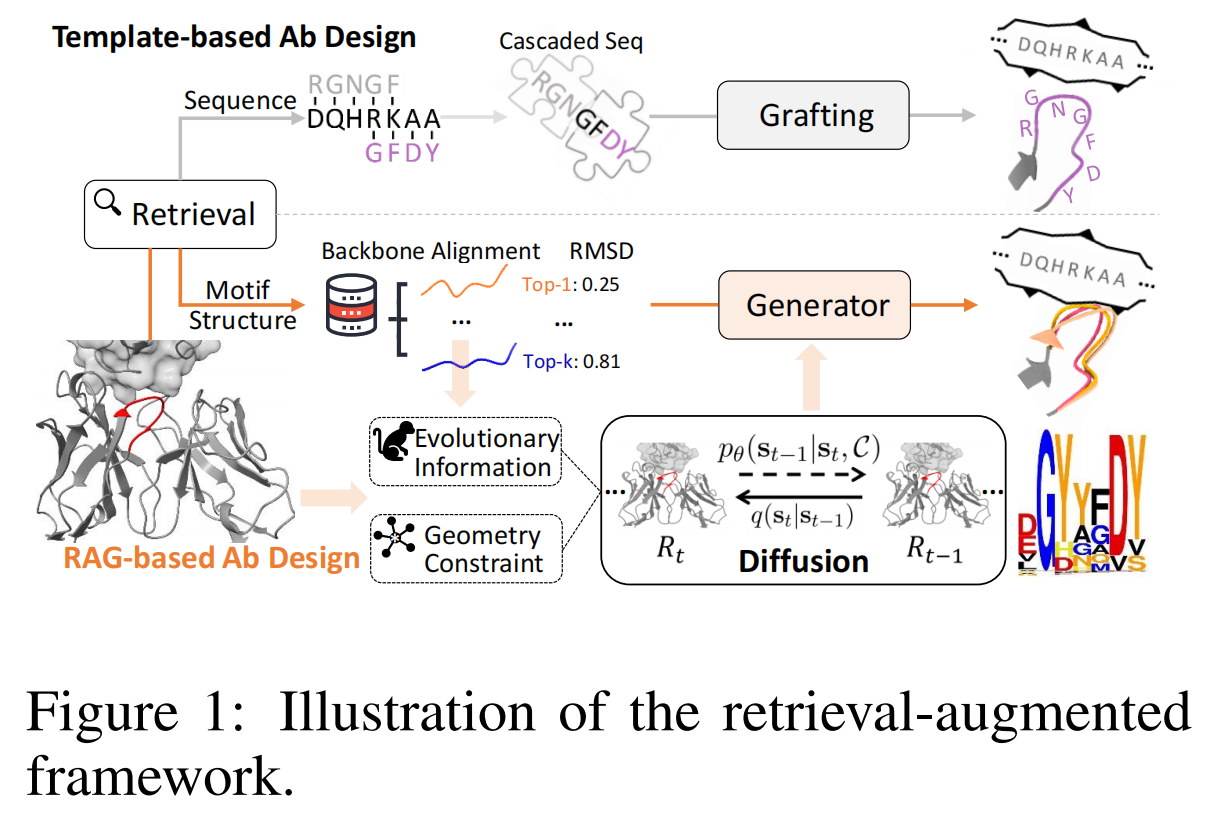
ICLR-2025 Retrieval Augmented Diffusion Model for Structure-informed Antibody Design and Optimization
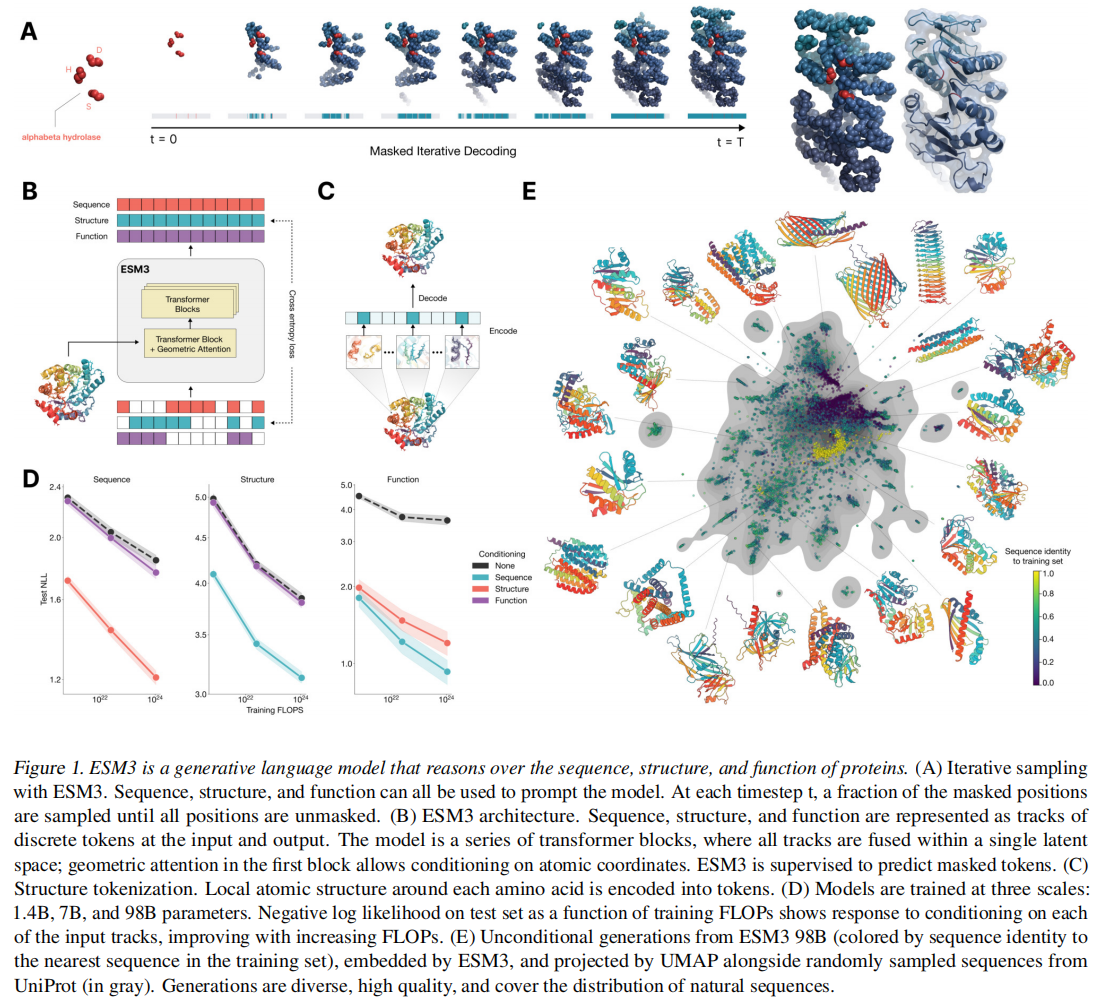
Science-2025 Simulating 500 million years of evolution with a language model
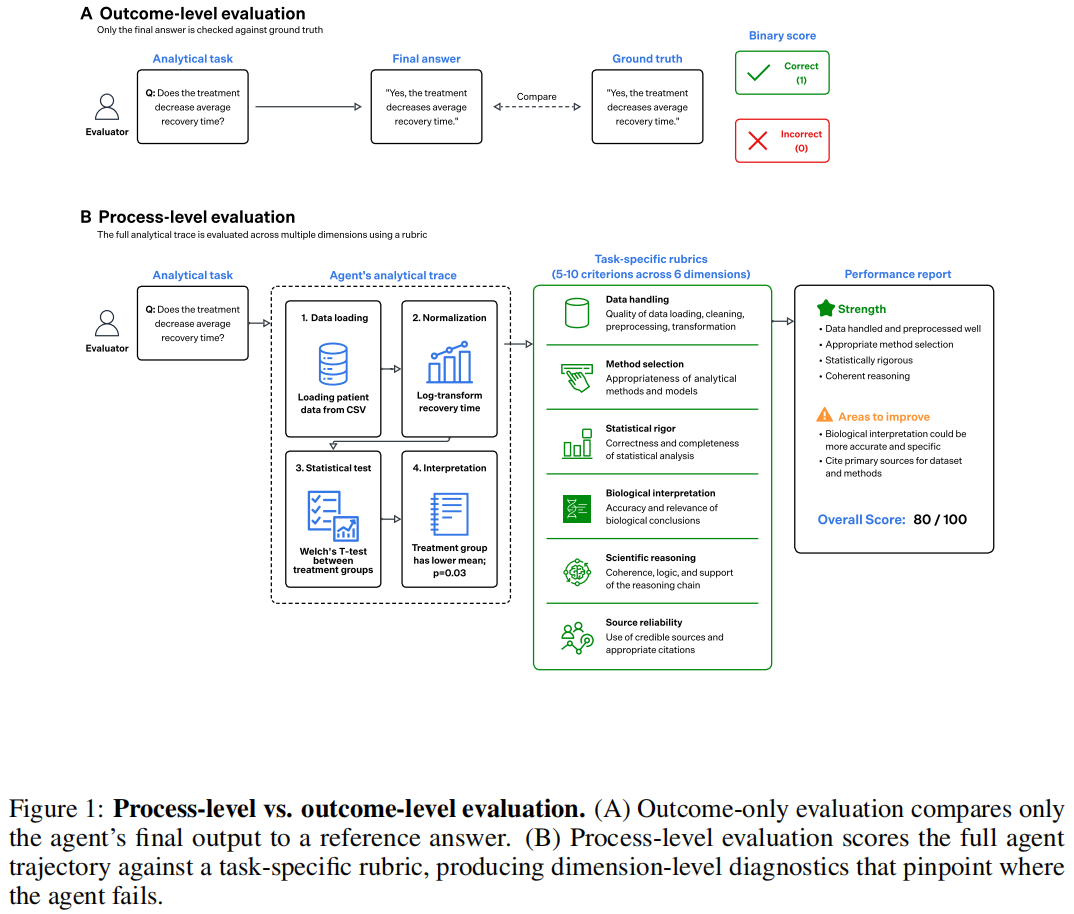
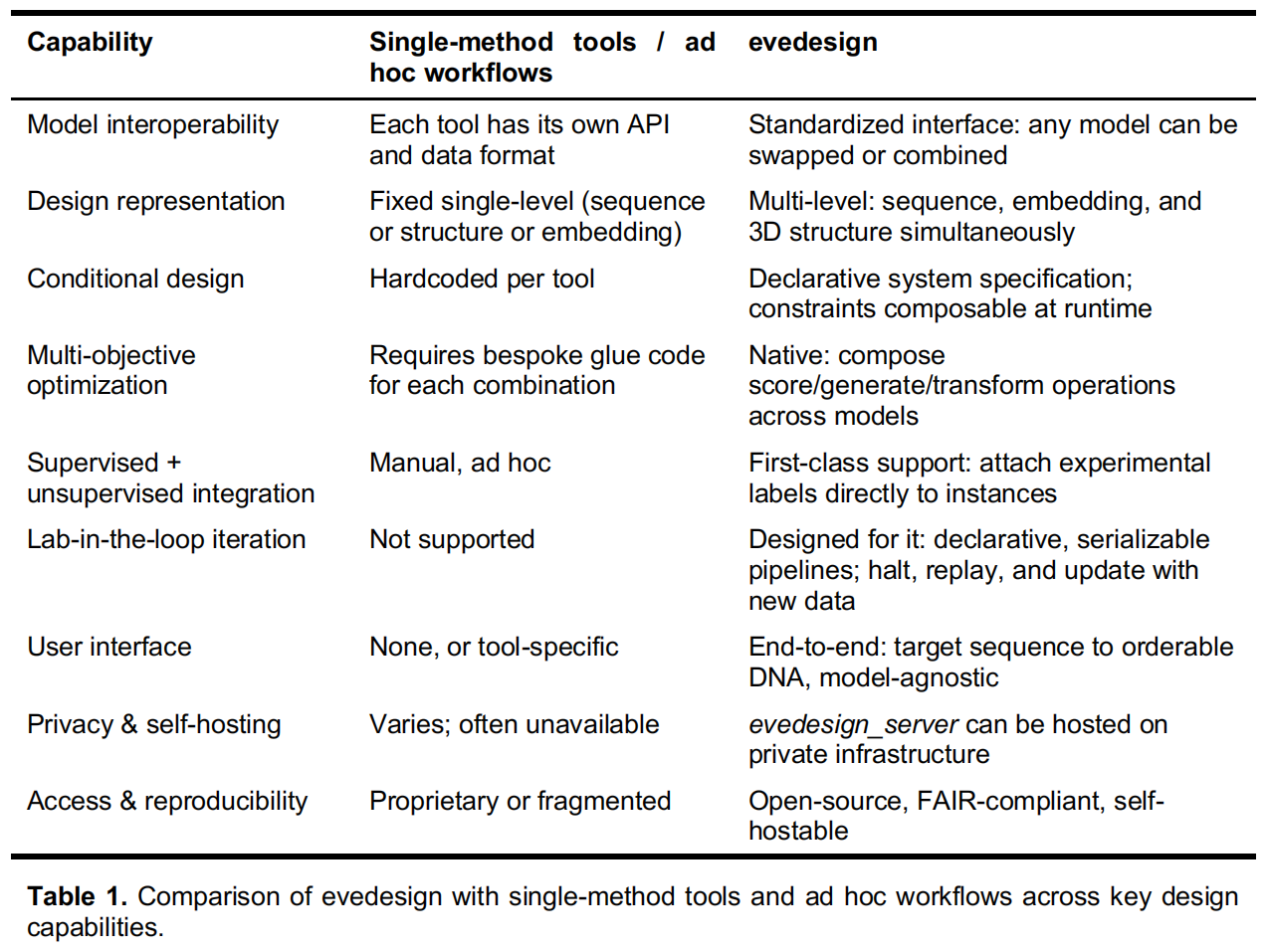
Related Open Projects
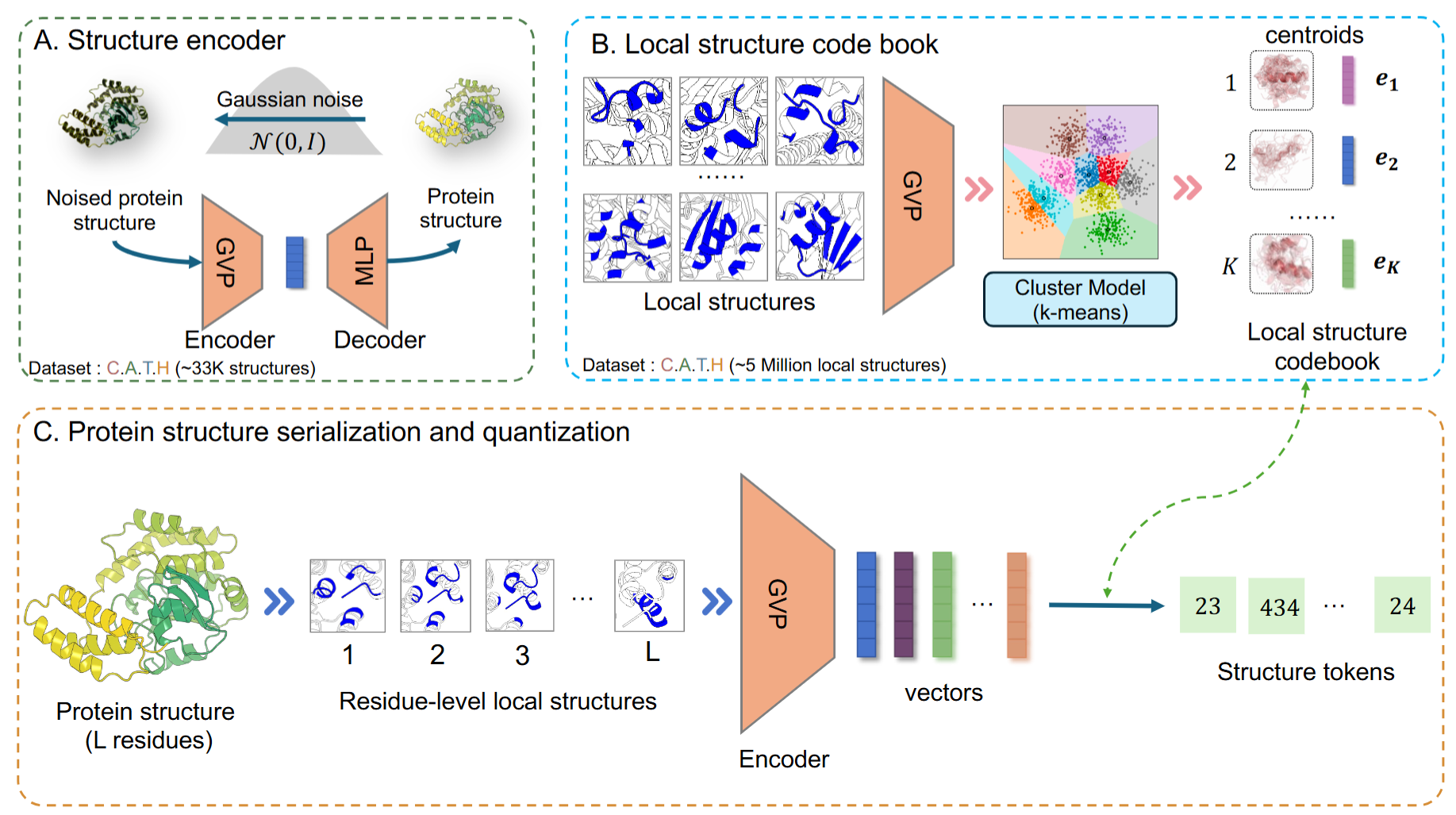
ProSST
Quantized structure meets disentangled attention
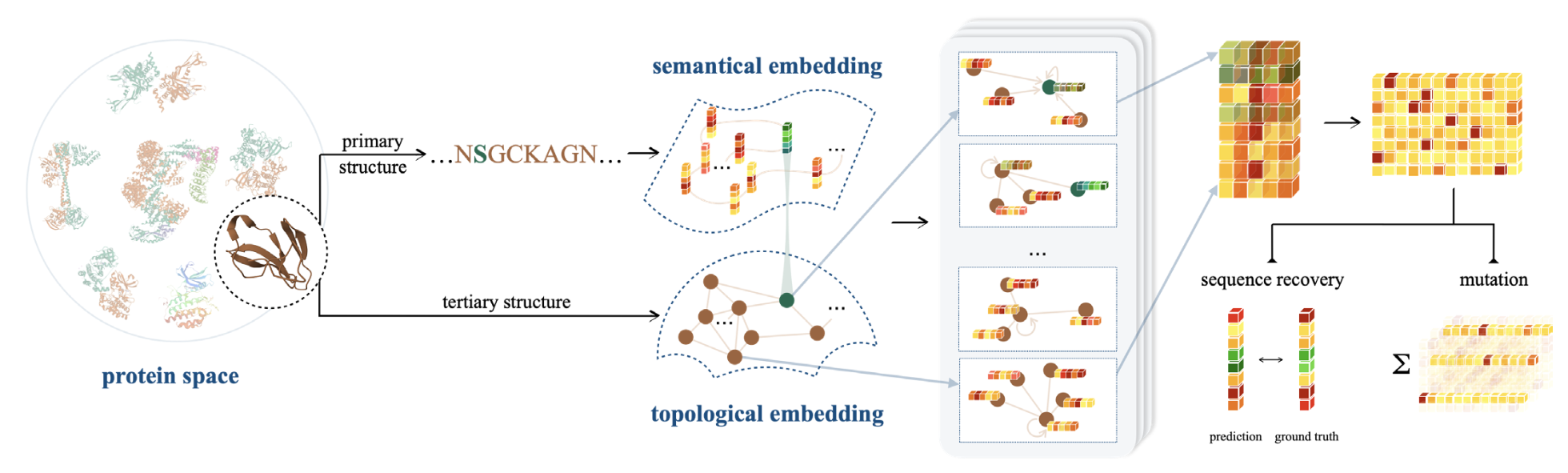
ProtSSN
Sequence–structure fusion for zero-shot protein engineering
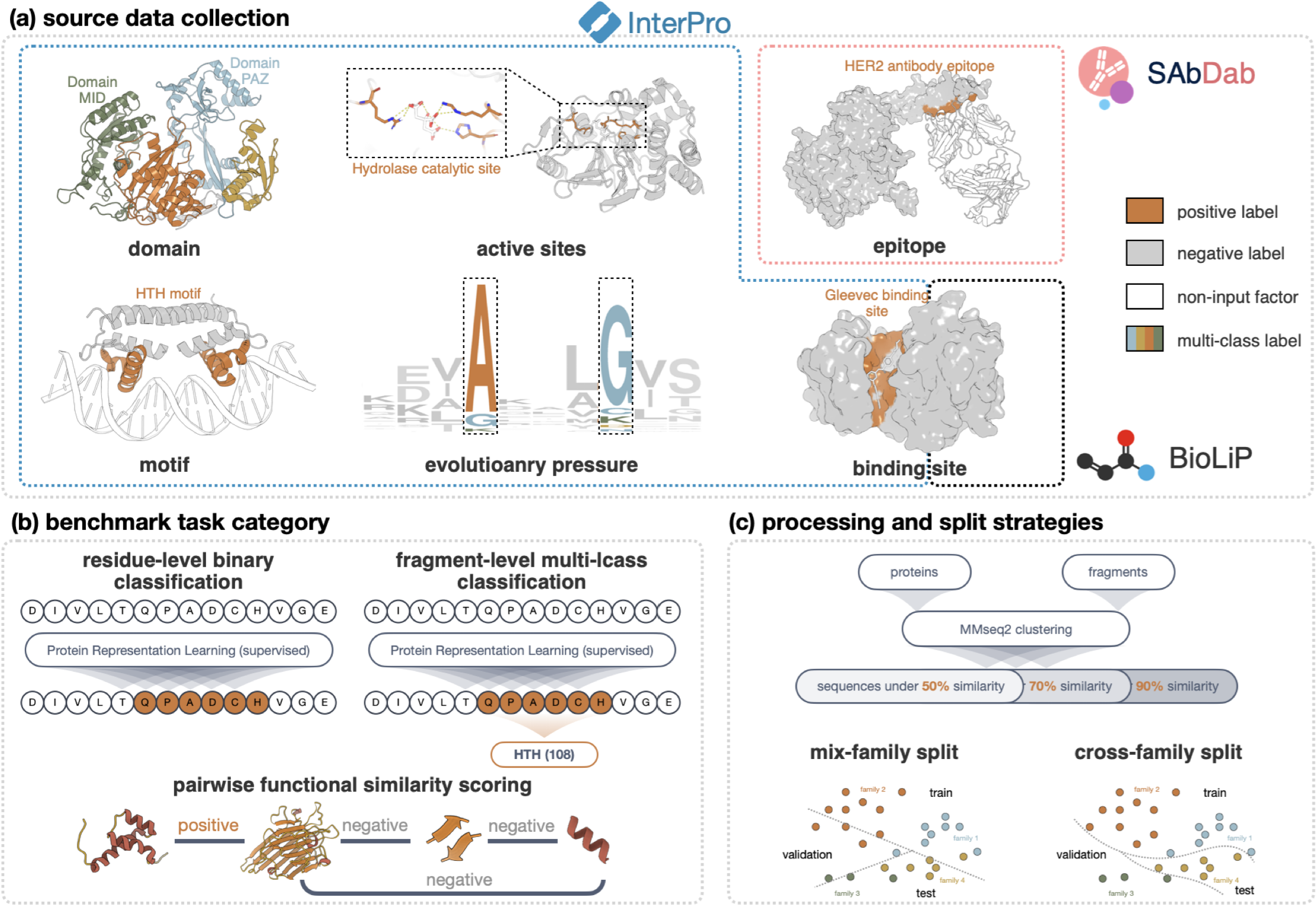
VenusX
Unlocking fine-grained functional understanding of proteins
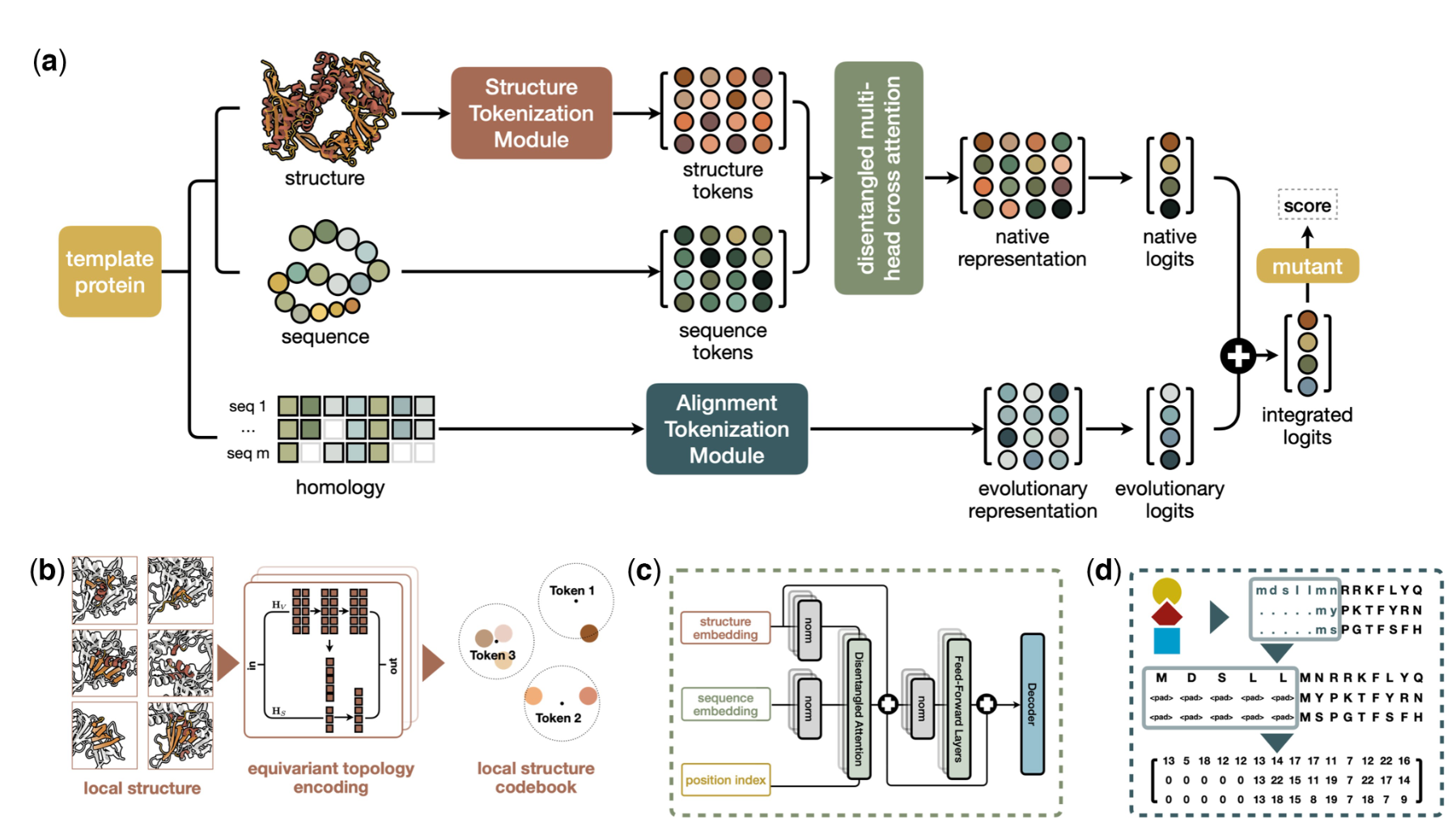
VenusREM
Retrieval-enhanced mutation effect prediction

VenusFactory
An integrated system for protein engineering

VenusFactory2
Self-evolving agents for protein discovery

ProtLOCA
Structure-only local geometry alignment

ProtSolM
Multimodal protein solubility prediction
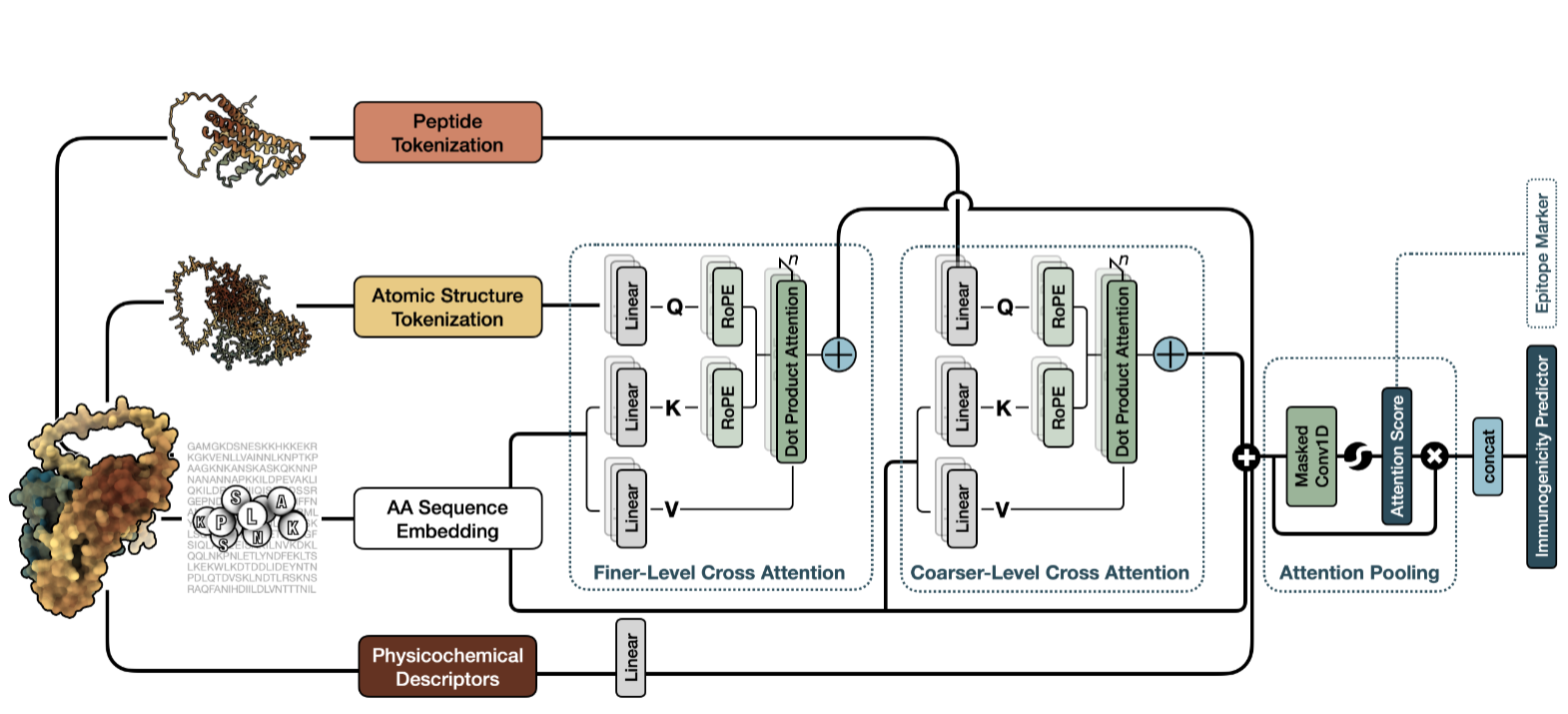
VenusVaccine
Immunogenicity prediction for vaccine target selection
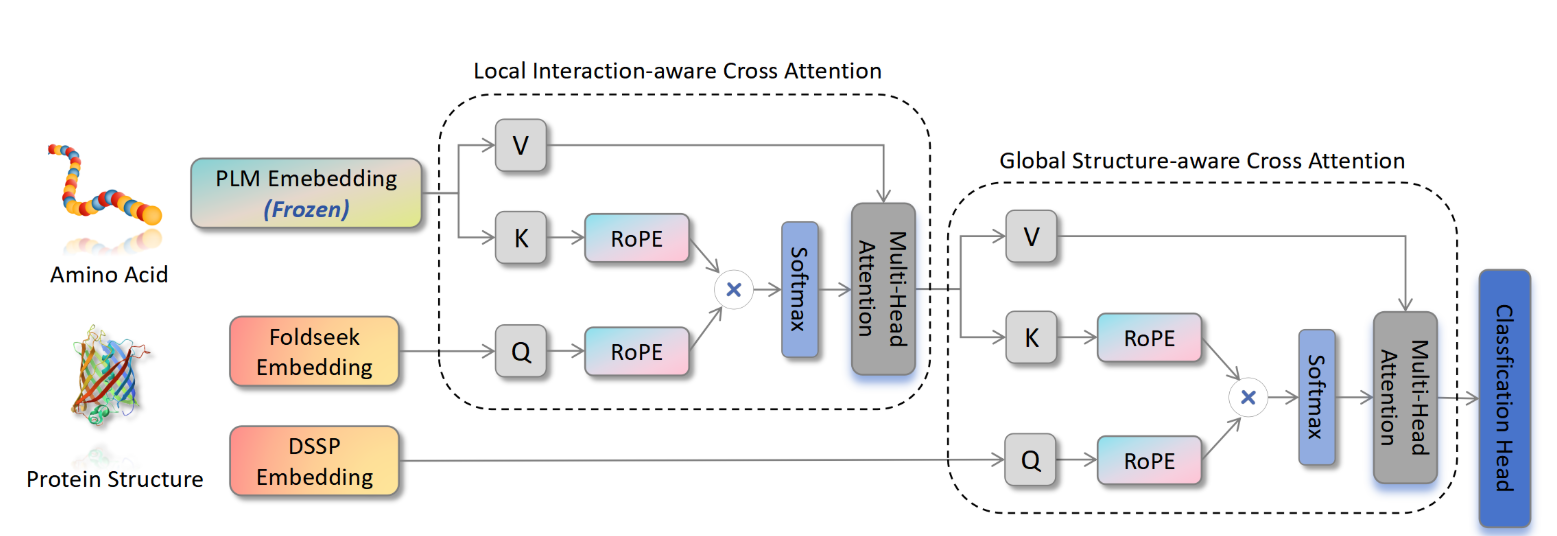
SES-Adapter
Structure-aware adapters for fitness prediction
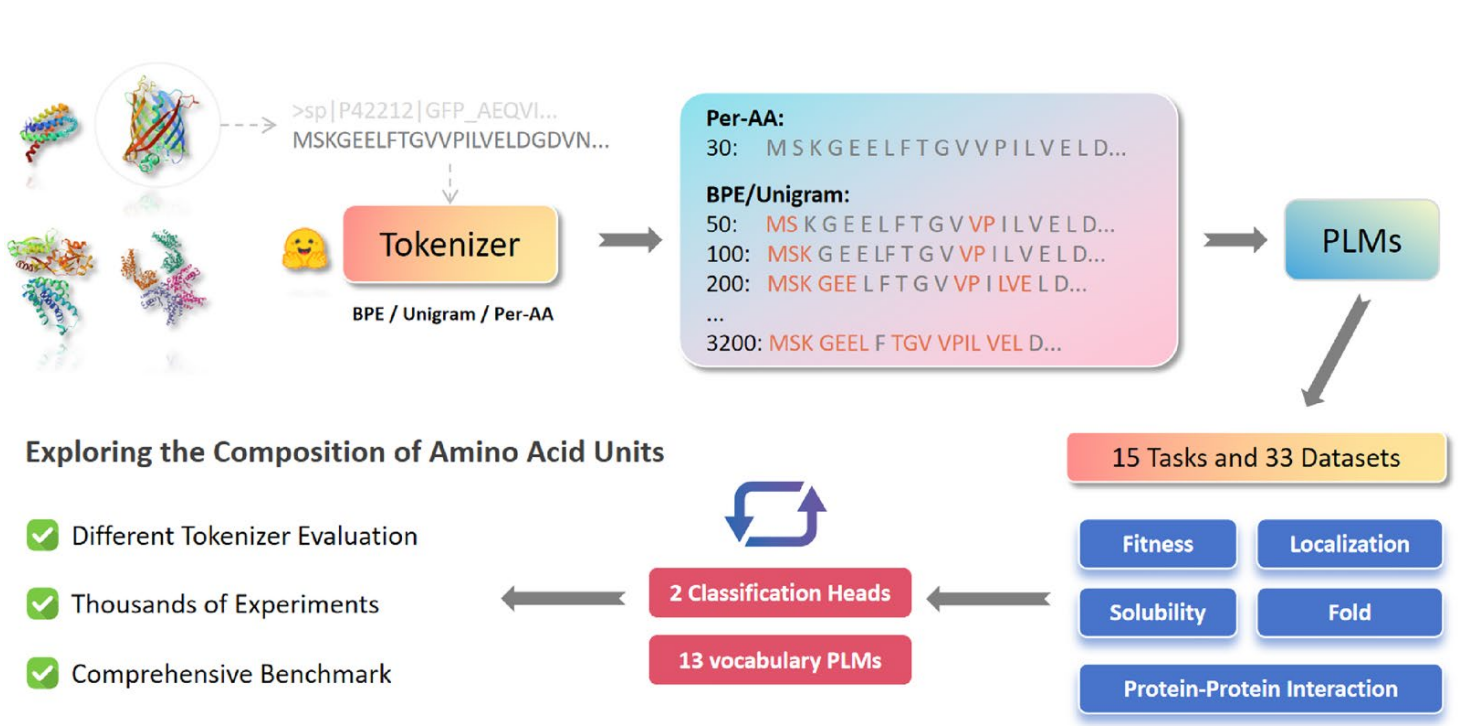
PETA
Sub-word tokenization for protein transfer learning